
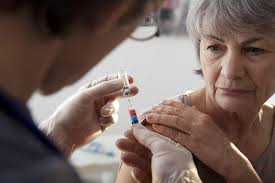
Influenza can affect anyone, but some people are more likely to develop complications after becoming infected. Older adults, young children, pregnant people, and individuals living with certain chronic health conditions may face a greater risk of severe illness. Understanding how vaccination works and why it is particularly important for these groups can help support informed healthcare decisions.
Why Are Some People at Higher Risk?
The immune system does not respond to infections in the same way at every stage of life. Age, pregnancy, and certain medical conditions can influence how effectively the body responds to influenza.
For example, older adults may have age-related changes in immune function, while young children are still developing their immune responses. People with conditions such as asthma, diabetes, heart disease, or chronic lung disease may also be more vulnerable to complications.
Pregnancy can increase the risk of serious influenza-related complications because of changes in the immune, respiratory, and cardiovascular systems. These factors make prevention particularly important for people in higher-risk categories.
How Vaccination Helps
The influenza vaccine works by preparing the immune system to recognise influenza viruses. After vaccination, the body develops an immune response that can help it respond more effectively if it encounters influenza.
Vaccination does not guarantee that someone will never develop influenza. Influenza viruses also change over time, and vaccine effectiveness can vary between seasons and individuals. However, vaccination remains an important preventive measure because it can reduce the likelihood of influenza illness and help lower the risk of severe outcomes.
Protection Against Severe Illness
For high-risk individuals, the main benefit of the flu vaccine is not simply avoiding several days of fever, cough, or fatigue. Preventing severe illness is particularly important because influenza can contribute to complications such as pneumonia, worsening of existing medical conditions, and hospitalisation.
For someone with chronic heart or lung disease, for example, an influenza infection may place additional stress on the body. Avoiding infection where possible can therefore be an important part of maintaining overall health.
Older Adults
Adults aged 65 and above have a higher risk of developing serious influenza complications. Changes in immune function associated with ageing can make it more difficult for the body to respond to infections.
Vaccination can help reduce this risk. Depending on age and local recommendations, healthcare professionals may also recommend specific influenza vaccine formulations designed to produce a stronger immune response in older adults.
Discussing vaccination options with a healthcare professional can help older adults determine which formulation is appropriate for them.
Young Children
Young children, particularly those under five years old, can also be more vulnerable to influenza complications. Their immune systems are still developing, and they may have had limited previous exposure to influenza viruses.
Vaccinating eligible children can provide direct protection. It can also contribute to broader protection within households and communities by reducing opportunities for the virus to spread.
Parents and caregivers should follow the vaccination schedule recommended by their healthcare provider, particularly for children receiving influenza vaccination for the first time.
Pregnancy and Influenza
Pregnant people are another important high-risk group. Influenza infection during pregnancy can be more serious because pregnancy causes physiological changes that affect several body systems.
The flu vaccine is recommended during pregnancy in many healthcare guidelines and can provide protection to the pregnant person. Maternal vaccination can also provide antibodies that may help protect the baby during the first months of life, when infants are particularly vulnerable.
Anyone who is pregnant should discuss vaccination with their healthcare professional to understand current recommendations and individual considerations.
People With Chronic Conditions
Certain chronic conditions can increase the risk of influenza complications. These may include asthma, chronic obstructive pulmonary disease, diabetes, cardiovascular disease, kidney disease, and neurological conditions.
For these individuals, preventing influenza can be especially valuable because infection may worsen an existing condition or increase the likelihood of hospitalisation.
The flu vaccine is therefore commonly included as part of preventive healthcare for people with certain underlying conditions.
Why Community Protection Matters
High-risk individuals may sometimes have limited protection from vaccination because their immune response is weaker. Protecting vulnerable people is therefore not only an individual responsibility.
When more eligible people are vaccinated, there are fewer opportunities for influenza viruses to circulate. This can help reduce exposure for people who are more susceptible to complications, including infants, older adults, and people with certain medical conditions.
Making an Informed Decision
Vaccination decisions should take individual circumstances into account. People with allergies, previous vaccine reactions, certain medical conditions, or other concerns should discuss their situation with a qualified healthcare professional.
For high-risk groups, timely vaccination can be an important part of influenza prevention. Combined with other appropriate measures, such as staying home when unwell and practising good respiratory hygiene, vaccination can help reduce the health impact of seasonal influenza.
Conclusion
Influenza prevention is particularly important for people who have a higher risk of complications. Older adults, young children, pregnant people, and individuals with chronic health conditions can benefit from understanding their personal risk and available preventive measures.
The flu vaccine remains an important tool for reducing influenza illness and its potential complications. Speaking with a healthcare professional can help high-risk individuals determine whether vaccination is appropriate for them and when they should receive it.

