
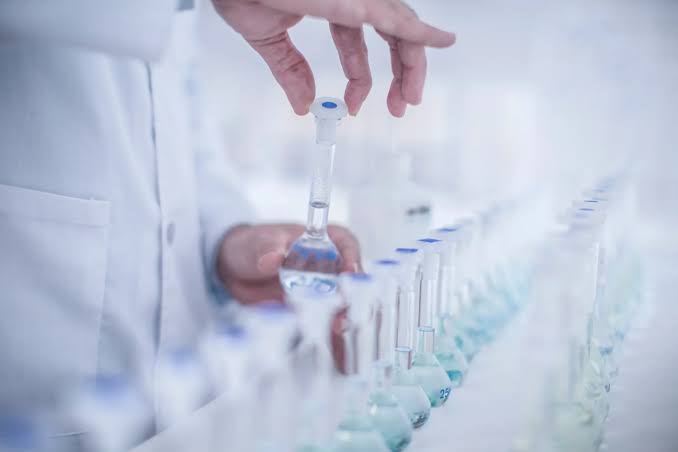
A peptide sample might appear to be pure. But it might still contain compounds that are not desired. This is why purity is an important aspect of peptide characterization.
What does the purity percentage mean, though, and why is it important in lab studies?
Read on to find out more!
Purity refers to the intended peptide
Peptide purity is typically defined as the percentage of the sample that contains the desired peptide and not impurities. These impurities may be from:
- The synthesis process
- Incomplete reactions
- Short sequences
- Residual reagents
- Salts
- Similar peptide compounds.
For researchers, the question is not just whether a sample has a high percentage. It is whether the purity reported is measured in a proper manner or whether the remaining material has been characterized.
When evaluating a product, a purity percentage is not the whole picture
A specification of 95% purity may be helpful. But it does not give all information about a peptide sample. Purity testing and identity testing provide different information.
Purity is the proportion of the sample that seems to be the desired material. An identity test can be used to determine if the material really possesses the desired molecular properties.
Analysis techniques can then involve multiple methods instead of relying on a single measurement. This is particularly relevant when comparing different Canadian peptides or when you want to replicate experimental results.
How is peptide purity measured?
High-performance liquid chromatography is a typical method for separating the target peptide from related compounds and other impurities. Researchers can then analyze the resulting chromatogram. This helps to determine the relative concentration of the target peak and other peaks.
Mass spectrometry gives other information. It can be used to confirm molecular mass. It can also explore whether peaks are attributable to the expected peptide or related contaminants.
For this reason, HPLC and mass spectrometry are sometimes used in combination in some research workflows. They complement each other in providing information.
Other methods include:
- Amino acid analysis
- Quantitative nuclear magnetic resonance.
They may be helpful in determining peptide purity in certain applications.
Why purity is important for experimental results
Impurities may present variables that you did not want to be part of an experiment. An assay or interpretation may be affected by:
- A related peptide
- Truncated sequence
- Residual synthesis material
- Other contaminants.
It has been found that poor characterization of peptides can lead to discrepancies in the results obtained. This means analytical quality control is relevant. Not only for the selection of research materials. But also for the interpretation of results and comparison of results between laboratories.
Summing up
A number without supporting analytical context doesn’t tell everything. When discussing purity, researchers should also take into account:
- Identity
- Analytical methods
- Lot-specific results
- Other characterization information.
Peptide purity is important during research. It helps you to know whether a material is well characterized for your specific study. It also supports repeatability, since the composition and analytical history of research materials can influence how confidently you interpret experimental results.

