
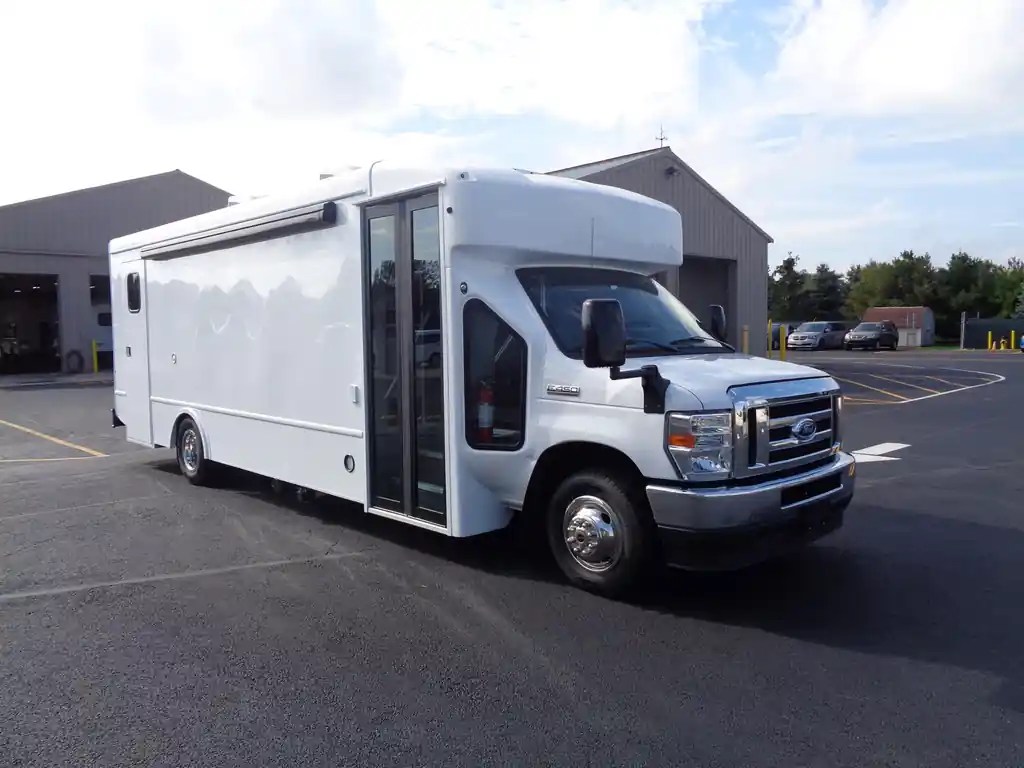
Communities may lack access to healthcare, particularly to specialist services, which are often far away. Having mobile medical vehicles ensures a more convenient experience for individuals who may not be able to travel to receive treatment or services due to distance, cost, or accessibility. But the effectiveness of these vehicles does not only rely on the medical equipment, but also on the industrial systems for the design, construction, operation and maintenance of these vehicles.
By seamlessly integrating high-grade power generation, specialized climate controls, and customized structural engineering, Mobile Medical Vehicles Industrial Systems form the essential backbone that allows these clinics to function as reliable healthcare facilities on wheels. Without robust engineering behind the scenes, even the most advanced diagnostic tools would struggle to operate consistently in unpredictable remote environments. Investing in dependable, high-performance systems ensures that clinical teams can maintain patient safety, regulatory compliance, and uninterrupted care wherever duty takes them.
Bringing Healthcare Closer to Communities
Mobile medical vehicles can reach communities that are underserved, schools, work sites, disaster areas and rural communities. They can offer services like health screening, immunisation, diagnostic testing, dental and oral health, consultations, and other medical services. They are mobile, so they can be moved to the patient rather than the patient having to go to a permanent facility.
Purpose-Built Vehicle Design
The design of a mobile medical vehicle has to be commensurate with the services it is meant to deliver. Consultation rooms, treatment areas, diagnostic equipment, storage, waiting and staff work areas may be included in the interior layout. Efficient space planning is crucial due to the need for the vehicle to provide the necessary space to conduct medical tasks within a confined area.
Designed to be reliable, it also features climate control.
Reliable electrical power and environmental conditions may be needed for medical equipment. So mobile healthcare units require well-planned power systems, backup power, and ventilation, heating and cooling. These industrial systems are vital to ensure patient and healthcare provider safety and a working environment.
Technology and Connectivity
Technology is becoming more and more important in modern mobile medical vehicles. The use of electronic health records, diagnostic systems, secure communication networks, and telemedicine systems may provide solutions to facilitate the link between mobile teams and hospitals and specialists. The serviceability of connectivity can extend the range of services in remote areas.
Manufacturing and Engineering Expertise
Special engineering and manufacturing are required when building a mobile medical vehicle. There is a need for the effective coordination of vehicle conversion, structural changes, electrical and plumbing systems, medical equipment integration, and interior construction. Quality control is crucial to support the quality of the final vehicle to ensure it meets operational and safety standards.
Maintenance and Operational Support
A mobile medical vehicle should be reliable, as healthcare services may rely on the mobile vehicle’s availability. Regular checks, maintenance of equipment, vehicle servicing and system testing can minimise the likelihood of unforeseen interruptions. Good operational planning is thus a crucial aspect of enhancing access to health care.
Long-Term Healthcare Delivery is supported.
Mobile medical vehicles can be used in addition to permanent medical facilities, not in place of them. They can assist in extending screening programmes and community outreach, and can offer services in areas where the development of a permanent facility may be challenging.
However, the mobility of a vehicle is not enough to improve access to healthcare. The effectiveness of mobile medical units in serving communities is affected by their purpose-built design, reliable industrial systems, integration with technology, manufacturing quality and maintenance. Combined, mobile medical vehicles can be effective tools in reaching individuals who could otherwise have great difficulty accessing health care.
 Maintaining health