
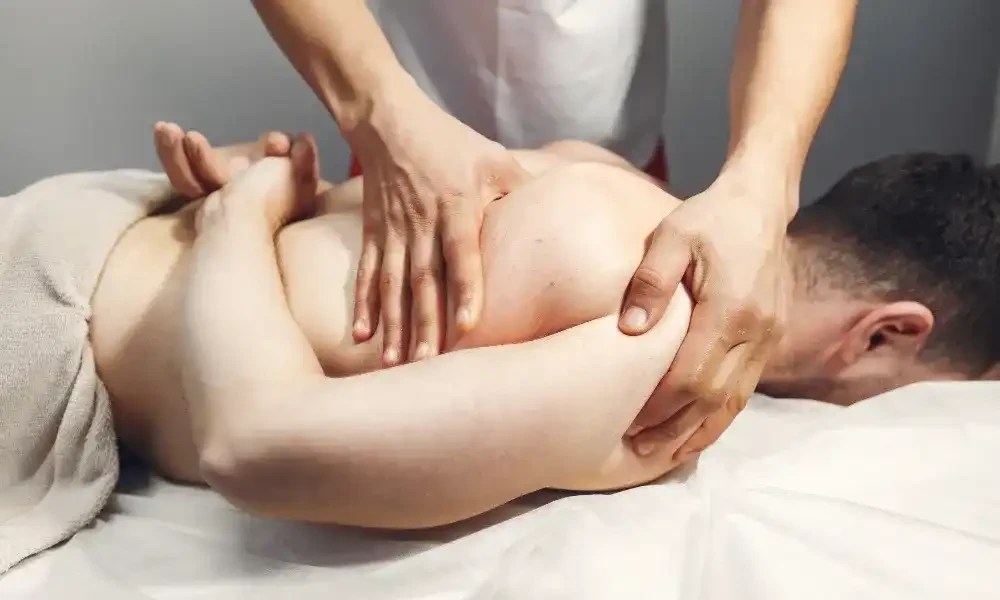
A first relaxation massage is easier to choose when the goal is modest and specific. It can offer a scheduled period of quiet, attentive touch, and a break from the pace of an ordinary day. It cannot diagnose an injury, guarantee a health outcome, or make every source of tension disappear in one visit. That distinction is not a disappointment. It is the basis of a more comfortable appointment because the guest and the provider can work from the same realistic brief.
Give the appointment one clear job
“I want to relax” is a valid reason to book, but it still leaves useful details unsaid. Does relaxation mean less conversation, a gentle pace, focused attention around the shoulders, or simply an hour in which nobody is asking for anything? Writing one sentence before the visit helps. A guest might say, “I would like a quiet, moderate-pressure appointment and I do not want focused work on my feet.” That is much easier to act on than a broad request to fix stress.
The sentence also keeps expectations in proportion. A spa service belongs in the category of personal care, not emergency care or diagnosis. New, severe, unexplained, or worsening pain deserves an appropriate health professional rather than a wellness booking. Once that boundary is clear, the massage appointment can be assessed on what it is actually designed to provide: comfort, pacing, communication, and an experience that fits the guest’s preferences.
Pressure is a conversation, not a test
People sometimes treat pressure as a measure of value, as though a stronger sensation proves that more useful work is happening. That can make a first-time guest reluctant to speak up. A better approach is to describe pressure in ordinary terms and update the provider while the appointment is underway. “A little lighter,” “please avoid that area,” and “that pressure is comfortable” are complete instructions. There is no prize for tolerating an experience that does not feel right.
Comfort includes more than pressure. Temperature, music, lighting, positioning, draping, scents, and conversation can all affect how the session feels. Guests may ask what can be adjusted before the service begins. They may also change their mind during the appointment. Clear consent is ongoing, and a professional service should leave room for a pause, an adjustment, or an early stop without turning the request into an awkward negotiation.
Read the menu as a set of experiences
A service list may include aromatherapy, hot-stone, scalp-and-foot, individual, and couple options. Those labels are most useful when translated into experience. Does the guest want warmth? Are fragrances welcome or distracting? Would focused head or foot work feel restful? Is a shared room part of the occasion, or would each person be more comfortable with a separate appointment? The answers narrow the menu without relying on grand promises.
The current Azure Aqua Spa relaxation-massage page gives Kitchener-Waterloo guests a concrete menu to review before calling. Use it to identify the format and duration that sound plausible, then confirm current availability, pricing, and any service-specific preparation directly with the spa. A website can organize the first questions; the booking conversation is where individual fit gets clarified.
Couples should make these choices separately before trying to choose together. One person may welcome aroma or heat while the other prefers an uncomplicated massage. A shared outing does not require identical services, pressure, or conversation. Comparing two short preference lists usually creates a better plan than asking one partner to speak for both people at the desk.
Plan the hour around the treatment
The calendar surrounding the appointment matters. Arriving at the exact minute after fighting traffic is a poor transition into a quieter setting. Build in time to park, check in, use the washroom, and ask questions without watching the clock. Afterward, avoid stacking the next commitment so closely that the final minutes feel like a countdown. The buffer does not need to consume the day; even a deliberate margin changes the pace.
Practical preparation should stay simple unless the spa gives different instructions. Wear clothing that is easy to change, bring relevant information about sensitivities or preferences, and avoid assuming that a special purchase is required. If a guest is pregnant, receiving medical care, managing a condition, taking medication, or unsure whether heat, pressure, positioning, or fragrance is appropriate, the right move is to ask the relevant clinician and the provider before the appointment.
Judge the visit by clarity, not transformation
A useful review after the visit takes two minutes. Was the pressure easy to discuss? Did the setting support the kind of quiet requested? Was the chosen duration enough? Did aroma or heat add to the experience, or would a simpler format work better next time? These observations turn one appointment into information. They are more dependable than deciding that every massage of a certain name will feel the same.
Guests who want a broader view can see Azure Aqua Spa’s current package options after they understand their basic preferences. A package should be the result of that understanding, not a substitute for it. The best first appointment is rarely the one with the longest list of elements. It is the one whose purpose, boundaries, and pace can be explained in plain language.
A relaxation massage can create a protected interval in a busy week. It cannot carry every expectation attached to the word “wellness.” Give it one job, communicate throughout, and leave enough room around the booking to experience it without rushing. That practical standard makes the choice more personal and keeps the promises honest.

