
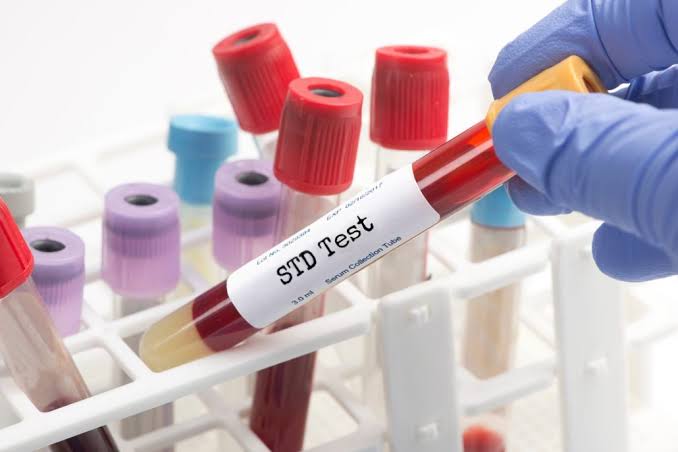
Sexual health is an important aspect of overall wellbeing, yet many people are unsure about how often they should be screened for sexually transmitted diseases (STDs), also known as sexually transmitted infections (STIs). While some people only seek testing after developing symptoms, many infections can be present without causing any noticeable signs.
Having an STD screening at appropriate intervals can help detect infections early, allowing for timely treatment and reducing the risk of complications or transmission to others. The ideal testing frequency varies from person to person and depends on individual risk factors, sexual activity, and medical history.
Why Regular STD Testing Matters
Many sexually transmitted infections do not cause symptoms in their early stages.
As a result, individuals may unknowingly carry an infection for weeks, months, or even longer. Without diagnosis and appropriate management, some infections may lead to complications affecting reproductive health, pregnancy, or other aspects of general health.
Routine screening provides an opportunity to identify infections early, even when a person feels completely well.
Early detection also allows healthcare providers to recommend appropriate treatment, follow-up care, and preventive measures.
There Is No Single Testing Schedule for Everyone
The recommended frequency of an STD test depends on several personal factors. Healthcare providers consider:
- Age
- Sexual activity
- Number of sexual partners
- Use of barrier protection
- Previous history of sexually transmitted infections
- Current symptoms
- Pregnancy status
- Individual medical history
Rather than following a universal schedule, your healthcare provider will recommend testing based on your personal level of risk.
When Should You Consider STD Testing?
Although recommendations vary, testing may be appropriate in several situations.
Before Starting a New Sexual Relationship
Many couples choose to undergo screening before becoming sexually active together.
Testing provides reassurance and allows both partners to make informed decisions about their sexual health.
After Unprotected Sexual Contact
If you have had unprotected vaginal, anal, or oral sex, an STD test may be recommended depending on the circumstances and the timing of potential exposure.
Your healthcare provider can advise when testing will provide the most reliable results, as different infections have different detection windows.
If You Have Multiple Sexual Partners
Individuals with multiple sexual partners may benefit from more regular screening as part of routine preventive healthcare.
The exact frequency depends on individual circumstances and should be discussed with a healthcare professional.
If You Develop Symptoms
Symptoms that may warrant medical assessment include:
- Pain during urination
- Unusual genital discharge
- Genital sores or ulcers
- Pelvic pain
- Lower abdominal pain
- Genital itching
- Rashes
Even if symptoms are mild, prompt medical evaluation is recommended because many conditions require laboratory testing for accurate diagnosis.
What If You Have No Symptoms?
One of the most common misconceptions is that testing is only necessary when symptoms appear.
In reality, many sexually transmitted infections remain completely asymptomatic.
Regular screening allows infections to be detected before complications develop or transmission occurs.
For this reason, healthcare providers often recommend routine testing for individuals with ongoing risk factors, even if they feel perfectly healthy.
What Does an STD Test Involve?
The specific investigations depend on your symptoms, medical history, and potential exposures. An STD test may include:
- Blood tests
- Urine tests
- Swab samples
- Physical examination, when clinically indicated
Not everyone requires every available test.
Your healthcare provider will recommend the most appropriate investigations after discussing your health history and potential risk factors.
What Happens If the Results Are Positive?
A positive test result can be concerning, but many sexually transmitted infections can be effectively treated or managed. Following diagnosis, your healthcare provider may discuss:
- Appropriate treatment
- Follow-up testing
- Partner notification where appropriate
- Preventive strategies
- Future screening recommendations
Prompt treatment not only supports your own health but also helps reduce the likelihood of transmitting an infection to others.
Reducing Your Risk Between Tests
Regular screening is only one part of maintaining good sexual health. Other preventive measures include:
- Using barrier protection consistently and correctly
- Maintaining open communication with sexual partners
- Receiving recommended vaccinations, such as HPV and hepatitis B where appropriate
- Limiting exposure to known risk factors
- Seeking medical advice promptly if symptoms develop
Combining preventive practices with routine screening provides more comprehensive protection.
Conclusion
The best testing schedule is one that reflects your personal health needs rather than a general recommendation.
A healthcare professional can assess your individual risk factors, explain which infections should be screened for, and advise how often testing is appropriate.
If you have questions about your sexual health or think you may benefit from an STD test, do not wait for symptoms to appear. Early detection remains one of the most effective ways to protect your health and support the wellbeing of your partners.
By making an STD test part of your preventive healthcare when recommended, you can take a proactive approach to your sexual health, receive timely medical advice, and make informed decisions that support your long-term wellbeing.

