
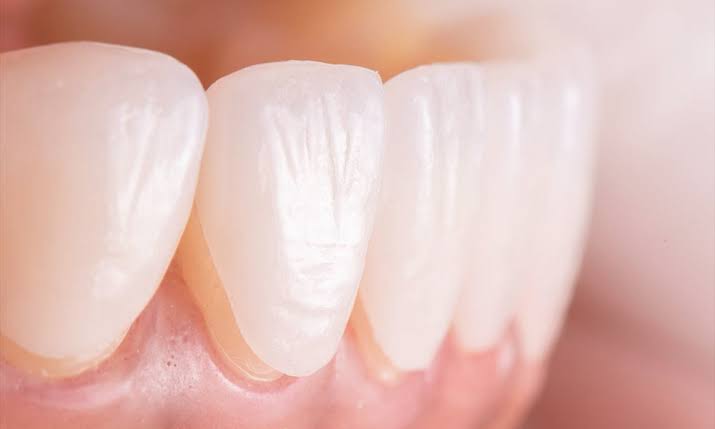
Many people assume veneers are a quick cosmetic swap, a thin shell glued over whatever is underneath to produce an instantly whiter smile. In practice, the process depends heavily on the condition of the existing tooth, the alignment of the bite, and the health of the surrounding gum tissue. Anyone researching veneers Singapore options quickly finds that the material and preparation method chosen matter as much as the final shade.
What Veneers Actually Do
A veneer is a thin layer bonded to the front surface of a tooth to change its shape, colour or length. It does not replace the tooth itself, which means the underlying structure still needs to be sound enough to support a durable bond. Veneers are typically used to address discolouration that whitening cannot correct, minor chips, gaps, or teeth that appear slightly uneven in size. Thickness varies depending on how much correction is needed, and a skilled technician will keep it as conservative as the desired result allows.
Porcelain versus Composite: The Real Trade-offs
Porcelain veneers are fabricated in a laboratory from an impression, offer a more natural translucency, and generally resist staining better over time, but they require more preparation and a higher upfront cost. Composite veneers are built up directly on the tooth in a single visit, cost less, and can be repaired more easily, though the material tends to wear and discolour faster than porcelain over several years. Laboratory turnaround for porcelain typically adds one to two weeks to the overall timeline, which is worth factoring in for anyone working towards a specific date.
Who Tends to Make a Good Candidate
Good candidates generally have healthy gums, enough enamel remaining to bond a shell securely, and a bite that will not place excessive stress on a thin restoration. People who grind their teeth at night are not automatically excluded, but they usually need a protective mouthguard afterwards to prevent chipping. A dentist will also check for active decay, since veneers are not a substitute for treating underlying dental disease.
What Happens During a Consultation
A consultation typically starts with a visual and X-ray assessment of the teeth being considered, followed by a discussion of desired shape and shade using photographs or a diagnostic mock-up. Some clinics offer a trial smile, a temporary overlay placed on the teeth so the patient can see an approximation of the result before committing to permanent preparation. Shade matching is usually done under natural daylight as well as indoor lighting, since porcelain can appear subtly different depending on the light source.
The Preparation and Fitting Process
For porcelain veneers, a thin layer of enamel, often less than half a millimetre, is removed to make room for the shell and to help it sit flush against the neighbouring teeth. An impression or digital scan is sent to a laboratory, and temporary veneers are worn for one to two weeks while the permanent set is fabricated. A cosmetic veneer specialist will check fit, colour match and bite alignment carefully before permanently bonding the final restoration.
How Long Veneers Realistically Last
Porcelain veneers commonly last between ten and fifteen years with reasonable care, while composite veneers tend to need attention or replacement within five to seven years. Longevity depends less on the material alone and more on habits such as biting into hard foods, using teeth as tools, and how consistently a nightguard is worn if grinding is a factor.
Caring for Veneers Day to Day
Veneers are cared for much like natural teeth, with regular brushing and flossing, though the bonded margin where the shell meets the tooth needs particular attention to prevent staining or decay at the edge. Non-abrasive toothpaste is generally recommended, since some whitening formulas can dull the surface polish on composite veneers over time without affecting the underlying porcelain.
Common Misconceptions Worth Clearing Up
A frequent misunderstanding is that veneers themselves can discolour and need whitening, when in fact porcelain resists staining almost entirely and any colour change usually comes from the natural tooth visible at the gumline as it shifts slightly over the years. Another common assumption is that the process is reversible, but enamel removal for porcelain veneers is permanent, which is worth weighing carefully before proceeding. Some patients also expect a single visit to complete everything, when in reality the laboratory stage means the process usually spans two to three appointments.
What They Typically Cost and Why It Varies
Pricing depends on the material chosen, the number of teeth involved, and whether additional work such as gum contouring or orthodontic adjustment is needed beforehand to achieve an even result. Composite veneers generally cost less per tooth than porcelain, though the gap narrows over time once the shorter lifespan and more frequent touch-ups of composite are factored into the comparison. A full smile makeover involving several front teeth will naturally cost more than correcting a single chipped tooth, so most clinics price per tooth rather than as a flat package.
Deciding Whether Veneers Are Right for You
The clearest way to decide is to separate the cosmetic goal from the dental groundwork: address any decay or gum issues first, then discuss with a dentist whether the desired change in shape or shade is realistically achievable with a thin shell rather than a more involved procedure. For anyone still weighing the options, a proper consultation on veneers Singapore pricing, materials and expected lifespan is a more useful starting point than comparing photographs online.

