
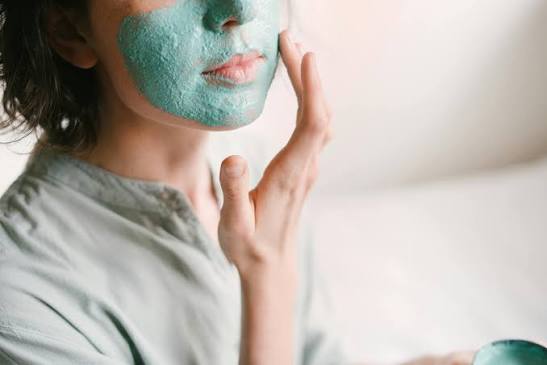
Dry, sensitive, and irritated skin can feel uncomfortable, tight, itchy, or rough. Changes in weather, frequent bathing, harsh cleansers, environmental exposure, and a weakened skin barrier can all contribute to these concerns. For many people, a gentle skincare routine combined with natural healing therapies can provide supportive care while helping the skin retain moisture and maintain its protective barrier.
Understanding which approaches are suitable for sensitive skin is important. “Natural” does not automatically mean that an ingredient will suit every person, so products should be selected according to individual skin needs and introduced gradually.
Understanding Dry and Sensitive Skin
Healthy skin has a protective barrier that helps prevent excessive water loss and shields underlying tissue from environmental irritants. When this barrier becomes compromised, the skin may lose moisture more easily and become more reactive.
Dry skin commonly appears rough, flaky, or tight, while sensitive skin may sting, burn, itch, or become red after exposure to certain products or environmental factors. Irritated skin can develop when the barrier is repeatedly exposed to triggers such as fragrances, very hot water, or aggressive cleansing.
A simple approach is often beneficial. Dermatologists recommend gentle, fragrance-free products and moisturizing regularly, particularly after bathing while the skin remains slightly damp.
Moisturizing With Plant-Based Ingredients
Moisturizing is one of the most important steps for managing dryness. Some natural remedies incorporate ingredients derived from plants, including shea butter, jojoba oil, sunflower oil, and oat-based preparations.
Shea butter contains fatty components that can help soften dry skin, while jojoba-derived ingredients are commonly included in moisturizers designed to support hydration. Oat-based preparations, particularly colloidal oatmeal, are also used in products formulated for dry and sensitive skin. The National Eczema Association lists several sensitive-skin products containing colloidal oatmeal alongside moisturizing ingredients.
When choosing a moisturizer, a cream or ointment may be preferable to a lightweight lotion for very dry skin because creams and ointments can provide more effective moisture retention.
Soothing the Skin With Colloidal Oatmeal
Colloidal oatmeal is a particularly useful ingredient for people looking for gentle skincare options. It is made from finely processed oat material and is incorporated into topical products designed to moisturize and soothe dry or irritated skin.
Its ability to support the skin barrier makes it a common ingredient in products intended for eczema-prone and sensitive skin. Some formulations combine colloidal oatmeal with ceramides, glycerin, or other moisturizing ingredients to provide both hydration and barrier support.
For individuals considering natural therapies, colloidal oatmeal can therefore be an ingredient worth looking for in a properly formulated moisturizer rather than relying on homemade preparations.
Gentle Bathing and Environmental Care
Skincare does not depend solely on topical products. Everyday habits can significantly influence moisture levels and irritation. Short baths or showers using lukewarm rather than hot water can help minimize unnecessary drying.
After bathing, gently pat the skin dry instead of rubbing it vigorously. Applying moisturizer while the skin is still damp helps trap moisture. Dermatologists also recommend moisturizing after handwashing and whenever the skin feels dry.
Environmental adjustments can also help. A humidifier may be useful when indoor air is particularly dry, while sun protection helps reduce additional environmental stress on the skin.
Choosing Ingredients Carefully
Sensitive skin benefits from a thoughtful approach to product selection. Even ingredients obtained from natural sources can cause irritation or allergic reactions in some individuals. Essential oils, botanical extracts, and fragranced products may not be suitable for everyone with reactive skin.
Rather than choosing products solely because they are described as “natural,” examine the ingredient list and prioritize formulations that are gentle and fragrance-free. New skincare products can also be tested on a small area before being applied more widely. The American Academy of Dermatology recommends testing new products because ingredients other than fragrance may also trigger reactions.
This makes natural therapies most useful when they are incorporated thoughtfully into a broader skin-barrier care routine.
When Professional Advice Is Important
Persistent redness, swelling, severe itching, cracking, oozing, pain, or recurring rashes may indicate an underlying skin condition rather than simple dryness. Conditions such as eczema, contact dermatitis, psoriasis, or infection may require professional assessment.
A dermatologist can help identify potential triggers and recommend appropriate treatment. People with sensitive skin should also discuss unfamiliar ingredients or persistent reactions with a healthcare professional.
Ultimately, natural therapies can complement a gentle skincare routine by supporting hydration and comfort. The most effective approach is one that protects the skin barrier, minimizes known irritants, and considers the individual’s specific skin needs.

