
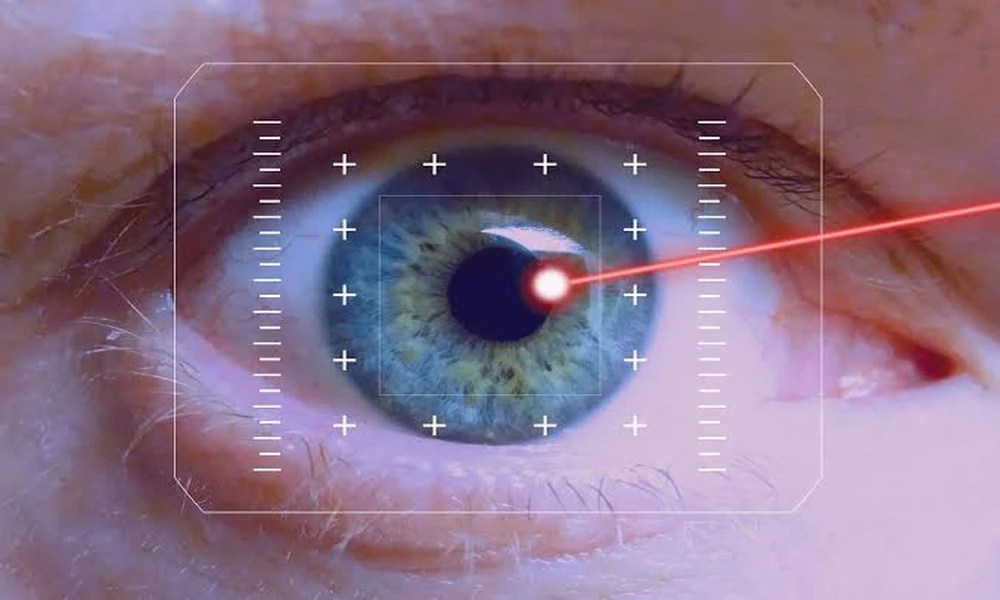
Clear vision can make everyday life more convenient, whether you are driving, working on a computer, exercising, or simply going about your daily routine. For people who have relied on eyeglasses or contact lenses for years, vision correction surgery may offer another option.
However, choosing to undergo an eye procedure is not simply about wanting freedom from glasses. Your age, prescription, eye health, lifestyle, and overall medical condition can all affect whether vision correction is appropriate for you.
Before making a decision, it is important to understand what makes someone a suitable candidate and why a complete eye examination should always come first.
What Is Laser Vision Correction?
Laser vision correction refers to procedures designed to reshape the cornea, which is the clear front surface of the eye. Changing the shape of the cornea can help light focus more accurately on the retina and improve vision.
These procedures may be considered for common refractive errors such as:
- Nearsightedness or myopia
- Farsightedness or hyperopia
- Astigmatism
LASIK is one of the most widely recognized forms of vision correction, but it is not the only option available. Different procedures have different requirements, benefits, recovery periods, and limitations.
This is why an eye specialist needs to examine your eyes before recommending a particular treatment.
Signs You May Be a Good Candidate
Not everyone who wears glasses or contact lenses automatically qualifies for surgery. Several factors usually need to be evaluated first.
Your Vision Prescription Is Stable
One important consideration for people exploring laser eye surgery Philippines is the stability of their prescription.
If your eyeglass or contact lens prescription continues to change significantly, correcting your vision too early may lead to less predictable results. Eye doctors therefore look at your prescription history to determine whether your vision has remained relatively stable.
This is especially important for younger adults, whose prescriptions may still be changing.
Your Eyes Are Generally Healthy
Healthy eyes are essential before undergoing a laser procedure.
Conditions involving the cornea, retina, eye pressure, inflammation, or previous eye injuries may affect your eligibility. The thickness and shape of your cornea also need to be assessed because laser procedures work by reshaping corneal tissue.
A detailed examination can help identify concerns that may not cause noticeable symptoms during everyday life.
You Do Not Have Significant Dry Eye Problems
Dry eye deserves careful attention before vision correction surgery.
Some people already experience burning, irritation, fluctuating vision, or a gritty feeling because their eyes do not produce enough tears or their tears evaporate too quickly. Certain laser procedures may temporarily worsen dry-eye symptoms, and existing dry eye may need to be treated before surgery is considered.
Your eye doctor may examine your tear production and the surface of your eyes as part of the screening process.
When LASIK May Not Be the Right Choice
Interest in lasik Philippines has grown as more people look for alternatives to regularly wearing glasses and contact lenses. Still, LASIK is not suitable for every patient.
Certain health and lifestyle factors may require additional evaluation or may make another vision correction option more appropriate.
Your Prescription Is Still Changing
A changing prescription may indicate that your vision has not yet stabilized. In this situation, your eye specialist may recommend waiting rather than proceeding immediately.
You Are Pregnant or Breastfeeding
Hormonal changes during pregnancy and breastfeeding may temporarily affect vision and prescription stability. Because of this, patients who are pregnant or breastfeeding should discuss timing carefully with an ophthalmologist.
You Have Certain Eye or Medical Conditions
Conditions affecting healing or eye health can influence whether surgery is advisable. These may include some corneal disorders, significant dry eye, certain autoimmune conditions, uncontrolled health conditions, or previous eye procedures.
Having a medical condition does not automatically mean vision correction is impossible. It means your individual risks need to be properly evaluated by a qualified doctor.
What Happens During a Vision Correction Screening?
A proper consultation should involve much more than checking whether you can read letters on an eye chart.
Comprehensive Eye Examination
Your ophthalmologist may examine several aspects of your eyes, including:
- Current prescription
- Prescription stability
- Corneal thickness and shape
- Tear production
- Pupil size
- Overall eye health
- Existing eye conditions
Your medical history and medications may also be reviewed.
Discussion of Your Lifestyle
Your occupation and regular activities matter as well.
For instance, your doctor may ask about sports, work requirements, screen use, night driving, and other activities that could influence which procedure is most appropriate.
Be open about your daily routine. Vision correction should fit your lifestyle rather than simply provide a certain result on an eye chart.
Have Realistic Expectations About the Results
One of the most important parts of considering vision correction is understanding what surgery can and cannot do.
The goal is to improve your vision and potentially reduce your dependence on glasses or contact lenses. It should not be viewed as a guarantee that you will never need corrective eyewear again.
Eyes also continue to change naturally with age. Some people may eventually require reading glasses or other forms of vision correction even after a successful procedure.
Potential side effects and complications should also be discussed with your surgeon. These can include temporary discomfort, dry eyes, glare, halos, or changes in night vision. Your individual level of risk depends on several factors that can only be evaluated through a professional examination.
Questions to Ask During Your Consultation
Going into your appointment prepared can help you make a more informed decision.
Consider asking your ophthalmologist:
- Am I a suitable candidate for laser vision correction?
- Which procedure is most appropriate for my eyes?
- Is my prescription stable enough?
- Is my cornea suitable for treatment?
- Do I have dry eye that needs treatment first?
- What results can I realistically expect?
- What possible side effects should I understand?
- How long does recovery usually take for the recommended procedure?
- Will I still need glasses after treatment?
- What follow-up appointments will I need?
A reputable eye specialist should be willing to explain both the potential benefits and the limitations of the procedure.
Choosing Vision Correction Based on Your Eyes, Not Just Convenience
The idea of waking up and seeing clearly without immediately reaching for your glasses can certainly be appealing. But convenience should not be the only reason behind your decision.
Vision correction needs to be based on careful measurements, healthy eyes, a stable prescription, realistic expectations, and a detailed discussion with an experienced ophthalmologist.
If you are considering laser vision correction in the Philippines, start with a comprehensive eye examination rather than assuming one particular procedure is right for you. Your eye specialist can determine whether you are a suitable candidate and explain which treatment options best match your vision, eye health, and lifestyle.
The right decision is not simply about getting rid of glasses. It is about choosing a vision correction approach that prioritizes your long-term eye health while helping you achieve the clearest and most comfortable vision possible.

