
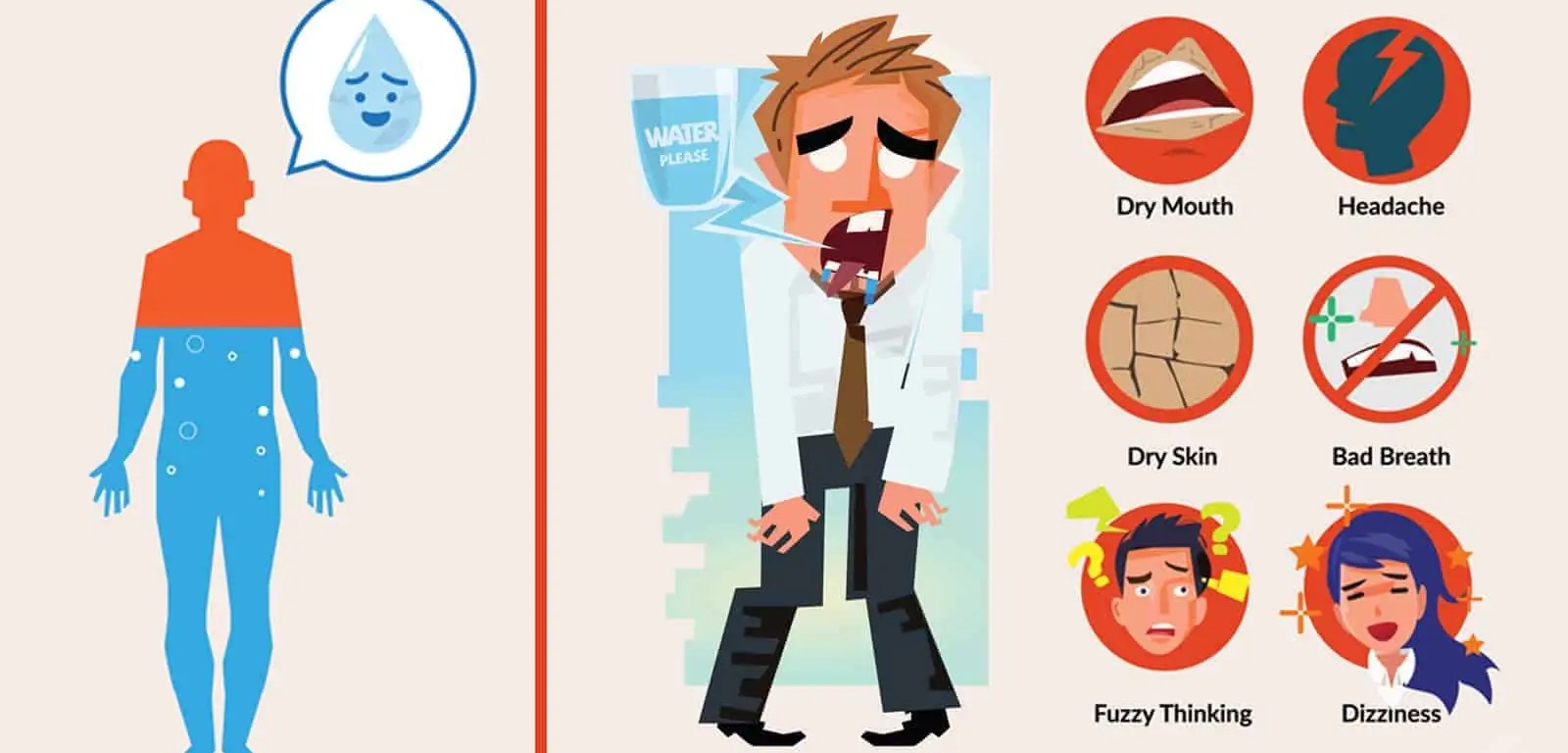
Most of us assume we’d know if we were dehydrated. We picture a parched throat or the dry-mouth feeling that hits halfway through a hike. The reality is less obvious. The human body is remarkably good at quietly compensating for a fluid shortfall, which means the early warning signs often show up as something else entirely – a stubborn afternoon headache, a foggy stretch where you can’t focus, or an energy dip you blame on poor sleep.
Dehydration isn’t only a summer or marathon problem. It’s a daily, low-grade condition for a surprising number of people who feel perfectly fine. Understanding what mild fluid loss actually looks like – and what it doesn’t – is the first step toward fixing it before it nudges into something more serious.
Thirst Is a Late Signal, Not an Early One
Here’s the part that trips people up: by the time you feel thirsty, you’re usually already mildly dehydrated. Thirst is a lagging indicator. Your body triggers it after fluid levels have started to drop and the concentration of salts in your blood has begun to rise, not before.
That lag is wider in some groups than others. Older adults, in particular, tend to feel thirst less reliably, and their bodies hold a smaller fluid reserve to begin with – a combination that makes dehydration both easier to reach and harder to notice. According to the Mayo Clinic, many people simply don’t register thirst until they’re already running a deficit, which is why waiting for the cue is a flawed strategy.
The Subtle Signs People Tend to Miss
If thirst is unreliable, what should you actually watch for? The more telling clues are often the ones we’d never connect to hydration in the moment.
Fatigue and brain fog. Even modest fluid loss can leave you feeling sluggish and scattered. Public-health guidance notes that not drinking enough water can contribute to unclear thinking and mood changes – effects that are easy to misread as stress or a bad night’s sleep.
Headaches. A dull, persistent ache, especially later in the day, is a classic and frequently overlooked symptom. For people prone to migraines, dehydration can act as a trigger.
Urine color. This is one of the most practical at-home checks you have. Pale, straw-colored urine generally signals good hydration; darker, more concentrated urine – along with going less often than usual – is a reliable sign your body is conserving fluid.
Dry skin, lips, and mouth. Reduced saliva and skin that feels less supple than normal often track with low fluid levels.
Dizziness or lightheadedness. When you’re low on fluids, blood volume drops, which can leave you feeling unsteady when you stand up quickly.
Muscle cramps and irritability. Fluid loss is also electrolyte loss – sodium, potassium, and other minerals that keep muscles and nerves working smoothly. When those run low, cramps, twitches, and a generally short fuse can follow.
No single symptom is proof on its own. But two or three of them clustering together, especially on a hot day or after a workout, is worth taking seriously.
Why Some People Run a Chronic Deficit
Plenty of everyday habits and circumstances quietly tip the balance. Caffeine and alcohol both nudge the body toward losing more fluid. A packed schedule makes it easy to go hours without a sip. Certain medications – diuretics and some blood-pressure drugs among them – increase urine output. Travel, dry air, high altitude, and hot or humid weather all accelerate fluid loss, often without the obvious sweat that would tip you off.
Illness deserves its own mention. Fever, vomiting, and diarrhea can drain fluids and electrolytes fast, which is exactly why a stomach bug can leave you feeling wrecked well beyond the original symptoms. Athletes and anyone doing physical labor in the heat lose fluid faster than casual sipping can replace, making a deliberate hydration plan more useful than guesswork.
What to Do About It
The good news is that most everyday dehydration responds quickly and simply to replacing what you’ve lost.
Start with water, and spread it across the day rather than chugging a bottle all at once – steady intake is absorbed more effectively. A reasonable habit is to drink before you feel thirsty and to keep water within easy reach. The CDC points out that total fluid needs vary by age, activity level, climate, and health status, so there’s no universal magic number; the better target is consistency.
Food counts too. Water-rich produce – cucumber, watermelon, oranges, strawberries, lettuce, and celery – contributes meaningfully to your daily fluid intake while delivering minerals along the way.
When you’ve lost a lot of fluid through heavy sweating, illness, or intense exercise, plain water alone may not be enough. Replacing electrolytes matters in those cases, which is where an oral rehydration solution or a sensible electrolyte drink earns its place. For routine, day-to-day hydration, though, water remains the unfussy default, and sugary sports drinks aren’t necessary.
When It’s More Than a Water Bottle Can Fix
There’s a meaningful difference between the mild dehydration most of us encounter and the kind that outpaces what drinking can keep up with. After a bout of stomach illness, a punishing heat-related episode, or any situation where you simply can’t hold fluids down, the body may struggle to absorb enough through the gut quickly enough to recover.
In those circumstances, some people turn to clinical support. Intravenous hydration therapy delivers fluids and electrolytes directly into the bloodstream, bypassing the digestive system – an approach long used in medical settings for moderate to severe dehydration and now offered through dedicated wellness clinics for recovery situations. It isn’t a substitute for everyday water intake, and it isn’t something most people need on a regular basis, but it can be a reasonable option when oral rehydration isn’t keeping pace. Providers such as Heights IV typically begin with an assessment to confirm it’s an appropriate fit rather than treating it as a default.
The key is matching the response to the severity. A glass of water and a banana will handle the vast majority of mild cases. Faster, clinically supervised replacement is for the genuine outliers.
When to See a Doctor
Some symptoms signal that home measures aren’t enough. The National Library of Medicine’s MedlinePlus and major clinical sources advise seeking prompt medical care for warning signs such as confusion or unusual sleepiness, an inability to keep fluids down, diarrhea lasting more than a day or two, a high fever, very little or no urination, or a rapid heartbeat. In children and older adults, dehydration escalates faster and warrants earlier attention. Severe cases are sometimes treated with IV fluids in a medical setting precisely because the situation has moved beyond what sipping can resolve.
If you’re caring for an infant, an elderly parent, or anyone with a chronic condition, err on the side of checking in with a healthcare professional sooner rather than later.
The Bottom Line
Dehydration rarely announces itself with a dramatic thirst. More often it shows up as the foggy, tired, headachy version of yourself you’ve learned to shrug off. Once you know the quieter signals – energy dips, dark urine, lingering headaches, dry skin – you can act early, usually with nothing more than water, a few electrolyte-rich foods, and a bit of consistency.
Pay attention to the patterns, respond before thirst forces your hand, and know where the line sits between a situation a water bottle can solve and one that calls for something more. Staying ahead of it is far easier than catching up.

