
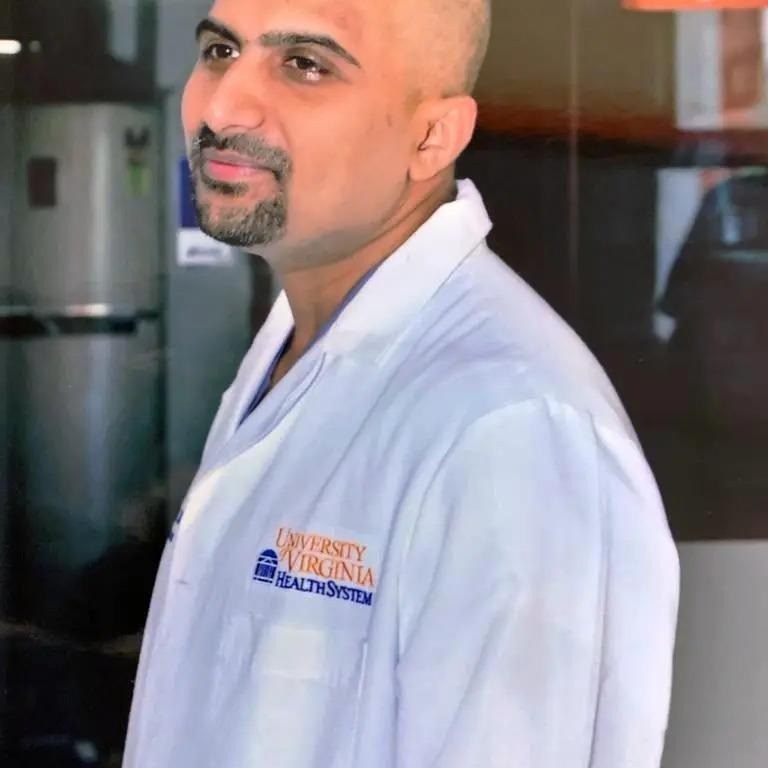
Historically, Indian patients requiring complex neurological care faced a difficult reality: travel hundreds or thousands of kilometres to a metropolitan hospital, or forego treatment entirely. This geographical barrier has long placed enormous financial and emotional strain on families during their most vulnerable moments. However, a distinct shift is occurring in regional areas like Guntur, Andhra Pradesh, led by practitioners returning home to bridge this gap.
Following extensive fellowships in the United States, Dr Mohana Rao Patibandla (Dr. Rao’s Hospital – International Institute of Neurosciences (IIN)) made a deliberate decision to return to Tier-2 and 3 India. Rather than pursuing a career in a global capital or a major Indian metropolis, he established a comprehensive neurosciences centre aimed at rivalling those in major urban hubs. His work represents a broader movement to prove that high-level medical infrastructure and expertise do not have to be confined to a few select cities.
The Philosophy of Return
The decision to build a world-class facility outside a traditional medical hub requires more than just capital; it demands a specific philosophical approach to medicine. During his training in the US, Dr Rao was exposed to highly integrated systems where technology, multidisciplinary care, and academic research operated in unison to improve patient outcomes. Yet, the disparity in access back home remained a persistent concern.
Instead of remaining abroad, he viewed his international training as a tool for public service. Heavily influenced by the teachings of Swami Vivekananda, particularly the concept of Daridra Narayana Seva, or serving the underserved as a form of worship, he approached the establishment of his practice as an act of nation-building. By bringing advanced care to regions where it was previously unavailable, the goal was to ensure that a patient’s geographical location no longer dictated their chances of survival or recovery.
Overcoming the Metropolitan Bias
Building a Tier-2 facility required dismantling a long-held public perception. For decades, patients and local physicians believed that sophisticated neurological treatments, such as minimally invasive neurosurgery, skull base surgery, paediatric neurosurgery, and endovascular interventions, could only be safely performed in cities like Delhi, Mumbai, or Hyderabad.
Changing this mindset required years of consistent effort. It meant developing physical infrastructure, including specialised operating theatres, neuronavigation systems, and intensive care units, while simultaneously assembling trained multidisciplinary teams. More importantly, it required building trust. As local patients began experiencing positive outcomes and transparent communication without the burden of long-distance travel, confidence in regional healthcare capabilities grew.
The Intersection of Technology and Humanity
While modern neurosurgery is inherently reliant on advanced technology, Dr Rao maintains that clinical practice cannot become mechanical. Innovation, in his view, is only valuable if it genuinely aids the patient by reducing suffering, shortening recovery times, or enhancing safety.
Neurosurgery carries an immense emotional weight, frequently involving critically ill children, trauma cases, and high-stakes interventions. This environment demands emotional resilience from the surgeon, but not at the expense of empathy. Families navigating a neurological diagnosis are often overwhelmed by fear and complex medical terminology. In these moments, technical excellence must be paired with clear, honest reassurance. The way a physician supports a family emotionally is often remembered long after the specific surgical details fade.
Ethics as the Foundation of Practice
In a sector increasingly influenced by commercial pressures and corporate expansion, maintaining strict ethical standards is crucial. Trust remains the absolute foundation of the doctor-patient relationship. Ethical healthcare dictates recommending only necessary interventions, avoiding superfluous procedures, and prioritising patient welfare above all else.
This approach is especially critical when patients turn to the internet for medical information, which can often lead to increased anxiety and confusion. A responsible medical professional uses these moments to educate rather than instil fear, ensuring that treatment decisions are entirely patient-centred.
Decentralising Medical Excellence
The long-term vision for regional healthcare extends beyond single institutions or individual physicians. It is about creating sustainable ecosystems that prioritise accessibility, education, and ethical care. Dr Rao’s career trajectory serves as an alternative model for younger doctors, demonstrating that international learning can be successfully applied to strengthen domestic systems in underserved areas.
The future of Indian medicine relies heavily on decentralising excellence. When globally trained specialists choose to build their practices in Tier-2 and Tier-3 cities, they do more than perform surgeries; they elevate the standard of care for entire communities, proving that world-class healthcare can exist wherever there is a genuine commitment to serving the public.

