
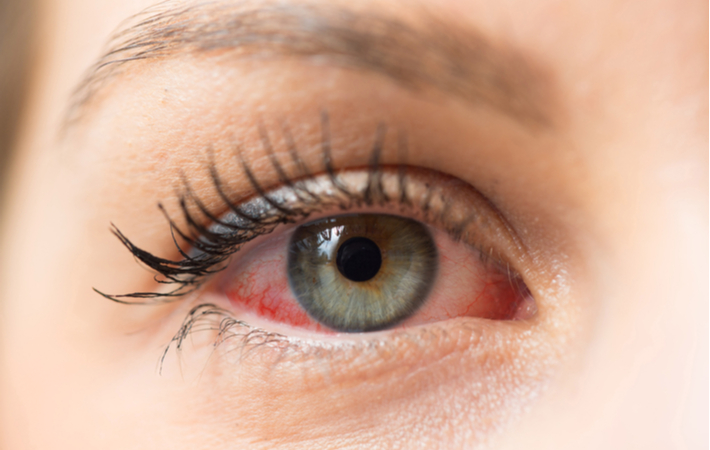
In our fast-paced, digitally driven world, our eyes are constantly working overtime. We stare at screens for hours, navigate demanding work environments, and often neglect the subtle whispers of discomfort that our eyes try to convey. It’s easy to dismiss a fleeting headache, a momentary blur, or a persistent dryness as just another by-product of a hectic day. “It’ll pass,” we tell ourselves, reaching for another cup of coffee or mindlessly scrolling through our phones. But what if those seemingly insignificant twinges are actually your eyes’ way of pleading for attention?
We often take our vision for granted, unaware of the delicate balance that keeps our sight sharp and our eyes healthy. Yet, ignoring these subtle signs can lead to more significant, and potentially irreversible, problems down the line. Imagine trying to read a book with constant blurry vision, or enduring throbbing headaches that interrupt your daily life. Regular eye exams are crucial cornerstones of preventative care, but understanding the early, often overlooked warning signs is equally vital. It’s about becoming an active participant in your eye health, rather than a passive observer. This blog post aims to shine a light on those subtle, often-dismissed cues, and empower you to take proactive steps to protect your precious vision. Let’s embark on a journey to decode the language of our eyes, and learn when those whispers are actually a call for a comprehensive eye exam.
Common Subtle Signs of Eye Strain and Potential Issues
Frequent Headaches:
Those persistent headaches, especially around your temples or forehead, might not just be stress-related. Eye strain often manifests as tension headaches. If you find yourself reaching for pain relievers frequently after long periods of screen time or reading, it’s a sign your eyes are working overtime. An eye exam can rule out any underlying vision issues contributing to these headaches.
Dry or Watery Eyes:
Paradoxically, both dry and watery eyes can signal irritation. Excessive screen time, dry environments, and even certain medications can lead to dryness. Your eyes might then overcompensate by producing tears, resulting in watery eyes. If you’re constantly reaching for artificial tears or wiping away excess moisture, it’s time to consider an eye exam.
Increased Sensitivity to Light (Photophobia):
Sudden or increased sensitivity to light can be more than just a minor annoyance. Photophobia can indicate inflammation, migraines, or even more serious conditions. If bright lights cause you significant discomfort, schedule an eye exam to rule out any underlying medical conditions.
Difficulty Focusing or Blurred Vision (Especially at Certain Times of Day):
If your vision becomes blurry, especially towards the end of the day, it’s a sign of eye fatigue. This could also indicate changes in your prescription or early signs of other eye conditions. Don’t dismiss fluctuating vision; a comprehensive eye exam can determine the cause.
Eye Fatigue or Tiredness:
That heavy, tired feeling in your eyes after a long day is your body’s way of saying it needs a break. Digital eye strain is a real concern in our modern world, and neglecting it can lead to chronic discomfort. If you’re constantly rubbing your eyes or feeling a persistent sense of fatigue, an eye exam is recommended.
Seeing Halos or Glare Around Lights:
Seeing halos or glare, especially around lights at night, can be a sign of several eye conditions, including cataracts or glaucoma. This symptom warrants immediate attention. Do not delay scheduling an eye exam if you notice these visual changes.
Frequent Eye Rubbing:
While it may seem harmless, frequent eye rubbing can indicate irritation or dryness. It can also damage the cornea. If you find yourself constantly rubbing your eyes, consider an eye exam to identify the cause and prevent further irritation.
Simple Steps for Daily Eye Care
The 20-20-20 Rule:
Every 20 minutes, look at something 20 feet away for 20 seconds. This simple rule can significantly reduce eye strain.
Proper Screen Ergonomics:
Ensure your screen is at a comfortable distance and height, and minimize glare.
Adequate Hydration and Nutrition:
Drink plenty of water and consume a diet rich in eye-friendly nutrients.
Regular Blinking:
Consciously blink to keep your eyes lubricated, especially during screen time.
Using Artificial Tears or Lubricating Eye Drops:
Use lubricating eye drops to combat dryness, but consult an eye care professional for recommendations.
Wearing Sunglasses:
Protect your eyes from harmful UV rays with quality sunglasses.
When to Seek Professional Help
While these tips can help maintain eye health, some symptoms necessitate immediate professional attention. If you experience sudden vision loss, severe eye pain, double vision, or persistent halos, seek an eye exam right away. Regular eye exams are crucial for early detection and prevention of eye diseases.
Your eyes are more than just windows to the world; they are intricate, vital organs that deserve our utmost care and attention. In a world that constantly demands our visual focus, we must become vigilant guardians of our sight. Don’t fall into the trap of dismissing those subtle signs – the persistent headaches, the fleeting blurriness, the nagging dryness. They are not mere inconveniences; they are your eyes’ way of communicating, of signaling that something might be amiss.
By understanding these subtle signals and adopting proactive eye care habits, you are investing in a lifetime of clear, comfortable vision. The 20-20-20 rule, proper screen ergonomics, and consistent hydration are not just fleeting trends; they are foundational practices for maintaining optimal eye health. And remember, regular eye exams are not a luxury, but a necessity. They are your first line of defense against potential vision problems, offering early detection and preventative care that can make a world of difference.
Don’t wait for your vision to deteriorate before acting. Schedule that eye exam today. Take a moment to assess your daily habits and make conscious choices to prioritize your eye health. Encourage your friends and family to do the same. After all, the gift of clear, healthy vision is a gift that keeps on giving, enriching every aspect of your life. Let’s make a collective commitment to protecting our sight, ensuring that our eyes remain vibrant, healthy, and ready to embrace all the beauty the world has to offer.

