
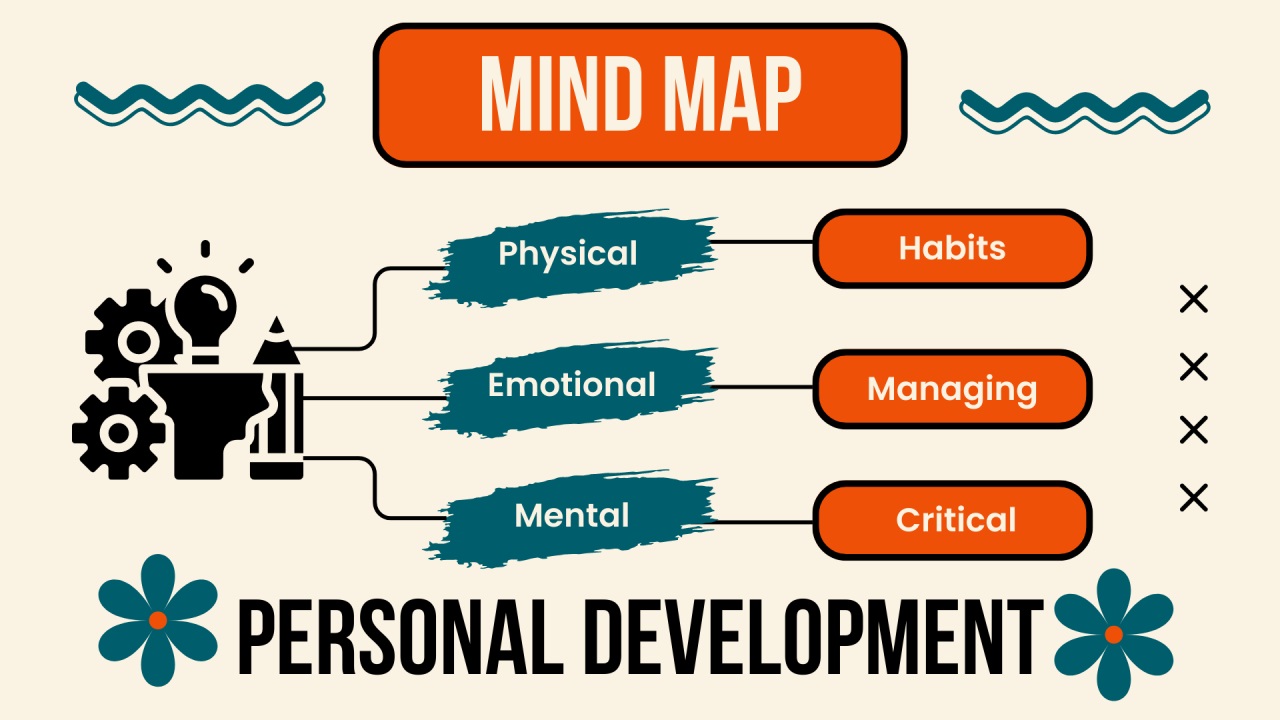
The ideas of self-awareness and mindfulness have drawn a lot of attention as crucial instruments for personal growth and general wellbeing in today’s hectic environment. Reconnecting with the present moment and noticing thoughts and emotions without passing judgment is a technique known as mindfulness, which may help people feel less stressed and have better mental clarity. Concentrating on the present moment leads to a greater appreciation for life and a state of inner tranquility.
Contrarily, self-awareness entails comprehending one’s own feelings, motives, and behaviors in order to see patterns in people’s responses and choices. Stronger connections and more deliberate interactions may result from this improved understanding. The combination of self-awareness and mindfulness produces a potent synergy that improves emotional intelligence and personal development.
Improving Social and Emotional Skills
The capacity to identify, comprehends, regulate, and feel empathy for others is known as emotional intelligence (EI). One may better regulate their responses to stress and interpersonal disputes by developing mindfulness since it increases one’s awareness of their emotional state. Being mindful encourages people to think things through before acting on impulse and to treat others with greater consideration and compassion. In order to improve relationships and emotional connectedness, self-awareness empowers people to respond instead of react by offering insight into the things that cause emotional reactions.
Encouraging Individual Development
The quest of authenticity and self-discovery are frequent stops on the path of personal progress. By encouraging people to delve deeper into their thoughts and emotions, mindfulness helps people identify areas that need improvement or change. Developing a development mindset requires being able to see one’s strengths and shortcomings more clearly, which is made possible by engaging in mindfulness practices. Individuals may improve their overall quality of life by making conscious choices that result in good change by increasing their awareness of their patterns, habits, and outside influences.
Reduction of Stress and Resilience
Stress reduction is among the most important advantages of mindfulness and self-awareness. Deep breathing exercises and other mindfulness practices trigger the body’s relaxation response, which reduces cortisol and eases anxiety. People who are more self-aware are able to recognize stresses and develop coping mechanisms for them. Resilience reinforces the cycle of personal development by promoting greater mental health, higher attention, and an increased capacity to face problems head-on.
Developing Empathy and Compassion
Growing in empathy and compassion for oneself and others is a key component of personal development. By encouraging self-compassion, mindfulness enables people to notice their feelings and ideas without passing judgment on them. It is easier to be compassionate toward others when one is kind and understanding about oneself. This skill is further enhanced by self-awareness, which leads people to think about the opinions and emotions of others around them, resulting in stronger bonds and a community of support.

