
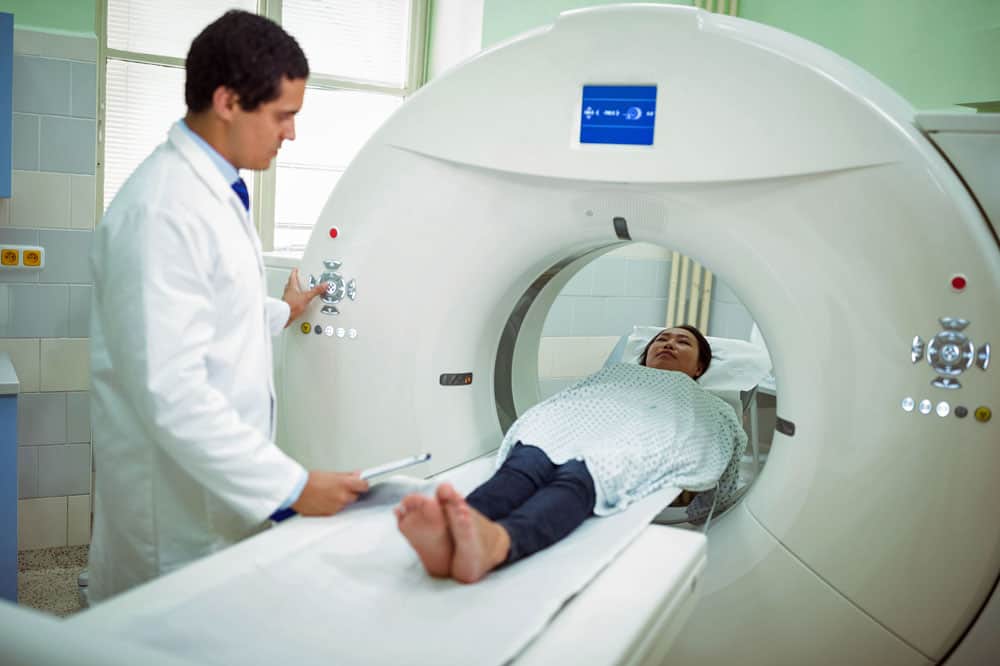
When you have to undergo radiation therapy, it is natural to feel overwhelmed. While your radiation oncologist is there to help you understand the process, it might be challenging to communicate effectively with them. However, clear communication is key to ensuring you receive quality care during radiation visits.
Consider pre-planning and proper communication to maximize the benefit of your radiation oncologist Surprise visits. Remember, proper communication will help your radiation oncologist make proper adjustments to ensure your comfort. This article outlines some creative tips you can use to help you communicate effectively with your radiation oncologist.
Prepare a List of Questions Before Your Appointment
Before meeting with a radiation oncologist, it is highly recommended that you understand any questions or concerns you would like to have addressed. Common questions include diagnosis and classification, potential treatments, associated risks, and benefits.
However, it is beneficial to research any uncertainties you may want clarity on so that your visit provides maximum benefit. Gathering as much factual information as possible during your visit will help you make a well-informed decision concerning your treatment option.
Be Open and Honest
It is essential to be forthright and informative with your radiation oncologist. Accurately conveyed information about signs, side effects, and general health can allow the doctor to offer the most effective care.
You may feel uneasy speaking about uncomfortable topics about your health, but communicating such will allow your physician to modify treatments or administer medications for alleviating symptoms. You can ensure optimal wellness through openness and honesty while going through treatment.
Ask for Clarification
Feel free to request more explanation if you feel uncomfortable with the concepts and terms your radiation oncologist is using. Radiation Oncologists deal in specialized medical fields, so some information they may share may need clarification.
Seeking clarity will help you make informed decisions about your care plan. Your oncologist should be able to explain terminologies straightforwardly. It is always okay to ask for additional examples and clarifications.
Bring a Friend or Family Member
Having someone accompany you during a medical appointment can be advantageous. Not only can your friend give you moral support, but having them there to take notes and help recall details from the conversation is also incredibly beneficial.
For instance, your companion could take notes during the meeting, which could come in handy when remembering the details of your treatment plan. Additionally, their input may include valuable questions that need to be noticed. Nevertheless, choose someone who is trustworthy and makes you feel comfortable.
Follow Up
Maintaining regular communication and contact with your radiation oncologist after the initial appointment is important. The radiation oncology team is ready to provide answers and assistance anytime.
To ensure the most effective treatment plan, communicate any new symptoms or side effects you experience as soon as possible. This helps everyone involved make the necessary adjustments to your care. Follow-up visits may be recommended a few days a week or monthly, depending on variables such as necessary adjustments made during care.
Establishing an open, honest dialogue with your radiation oncologist is important to a successful treatment plan. Communication should be clear and effective to build the trust necessary for cooperation.
Do not hesitate to express your concerns if you are uncomfortable or unhappy, as expressing yourself will help ensure your needs are met during this difficult journey. By keeping communication open through proper channels, you will have increased control over your situation and ensure the best outcome.

