
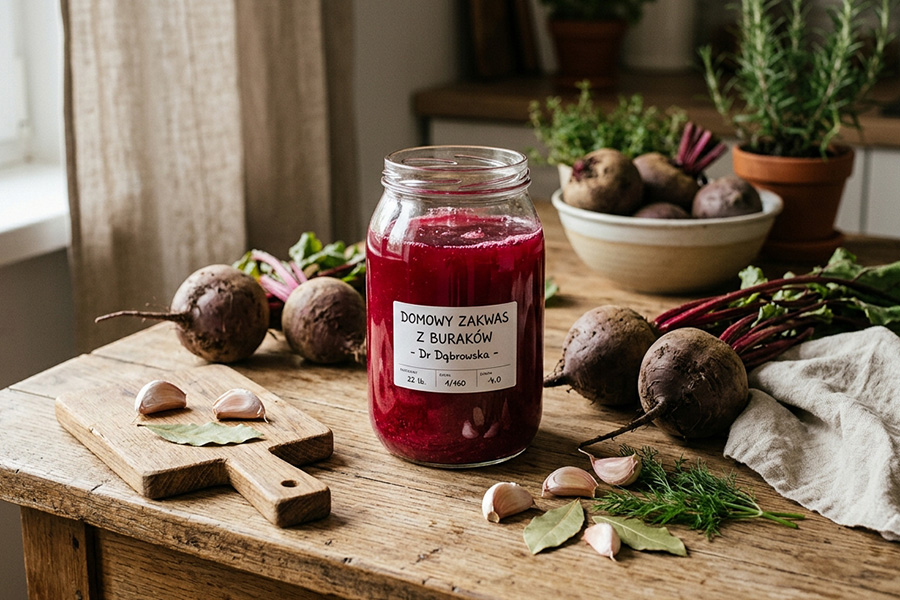
Dr Ewa Dabrowska is one of Poland’s most recognized names in the field of therapeutic fasting and nutrition. Her low-calorie, plant-based fasting method has gained a loyal following not only in Poland but increasingly among international audiences interested in alternative approaches to detoxification and metabolic health.
Who Is Dr Ewa Dabrowska
Dr Ewa Dabrowska is a Polish physician and nutrition specialist known for developing a structured therapeutic fasting protocol based on low-glycemic vegetables. Unlike many popular fasting trends that focus purely on time-restricted eating, her method combines caloric restriction with a very specific selection of foods designed to support the body’s natural regeneration processes. Over the years, her approach has been documented in books, workshops, and a large community of practitioners who follow her guidelines under medical supervision.
The Core Principles of Her Diet Method
Dr Dabrowska’s fasting protocol is built around a few consistent rules that distinguish it from conventional diets.
- Strict reliance on low-glycemic index vegetables, primarily raw or lightly fermented.
- Elimination of animal protein, added fats, and processed sugars during fasting periods.
- Extended intervals between meals to allow deeper metabolic reset.
- Emphasis on hydration and mineral-rich vegetable broths.
- A supervised, gradual reintroduction of regular foods after the fasting period ends.
Research on plant-based fasting and caloric restriction protocols has shown potential benefits for metabolic markers and cellular repair processes, which aligns with the rationale behind her method’s design.
Her Most Iconic Recipe: Fermented Beet Juice
Among the many recipes associated with her method, one preparation stands out as particularly emblematic of her philosophy: a naturally fermented beet drink known in Polish as “zakwas z buraków.” This lacto-fermented beetroot juice is prized for its probiotic content, its deep earthy flavor, and its simplicity — made with nothing more than raw beets, water, and salt, left to ferment naturally over several days.
Unlike store-bought fermented beverages that often contain added sugar, this traditional preparation relies purely on natural lactic acid fermentation, which is precisely the kind of minimally processed, plant-based approach Dr Dabrowska advocates throughout her broader dietary philosophy.
Why Fermented Foods Matter in Her Approach
Fermented vegetables occupy a special place in Dr Dabrowska’s method because they deliver live bacterial cultures that support gut microbiota diversity, something increasingly linked to metabolic and immune health in modern research. Beets in particular are valued for their betalain content, iron, and folic acid, making the fermented version a nutrient-dense addition to an otherwise calorie-restricted regimen. A clinical study published in Nutrients examining plant-based caloric restriction protocols found measurable improvements in inflammatory markers among participants following short-term vegetable-based fasting, lending some scientific support to the rationale behind fruit-and-vegetable fasting approaches like hers.
Her Lasting Influence in Poland
Dr Dabrowska’s method has inspired a wide ecosystem of cookbooks, online communities, and health blogs across Poland, many of which continue to reference her original recipes, including the fermented beet juice, as foundational elements of the practice. Her influence illustrates how a single therapeutic recipe can become a cultural touchpoint tied to a much broader dietary philosophy.
Frequently Asked Questions
Is Dr Ewa Dabrowska’s diet safe for everyone?
Because the method involves significant caloric restriction, it is generally recommended only under medical supervision, especially for people with underlying health conditions, pregnant women, or those on medication.
What makes zakwas z buraków different from regular beet juice?
Unlike fresh-pressed beet juice, zakwas z buraków undergoes natural lactic acid fermentation, which introduces live probiotic bacteria and changes both its nutritional profile and its tangy, fermented flavor.
How long does the fermentation process typically take?
Depending on room temperature, the beets usually ferment for three to seven days until the liquid develops a characteristic sour taste and visible fermentation activity.

