
Anti-inflammatory diet and functional nutrition programmes are gaining traction among Singaporeans who want to manage chronic health conditions through food rather than medication alone. Persistent inflammation contributes to joint pain, digestive disorders, skin problems, cardiovascular disease, and even cognitive decline. Structured nutritional programmes that target inflammation at its source offer a practical, sustainable approach to better health that goes beyond temporary diets.
What Chronic Inflammation Does to the Body
Acute inflammation is a normal healing response. When you cut your finger or catch a cold, the body sends white blood cells and inflammatory chemicals to fight infection and repair tissue. Chronic inflammation, however, is a different matter. It occurs when the immune system remains activated long after the original threat has passed, slowly damaging healthy tissue over months and years.
Common signs of chronic inflammation include:
- Persistent joint pain and morning stiffness
- Frequent digestive complaints like bloating, cramping, or acid reflux
- Recurring skin conditions such as eczema or psoriasis
- Unexplained fatigue that does not improve with rest
- Weight gain, particularly around the abdomen
- Brain fog and difficulty with concentration
Many of these symptoms are widespread in Singapore’s fast-paced working population. Poor sleep, high stress, sedentary desk jobs, and diets heavy in processed foods all contribute to an inflammatory internal environment. An anti-inflammatory diet and functional nutrition programme addresses these factors systematically through targeted food choices.
Principles of an Anti-Inflammatory Eating Pattern
An anti-inflammatory diet is not a short-term cleanse or calorie-restriction plan. It is a long-term eating pattern that emphasises whole, nutrient-dense foods while minimising those known to trigger inflammation. The core principles are straightforward and adaptable to Singapore’s diverse food culture.
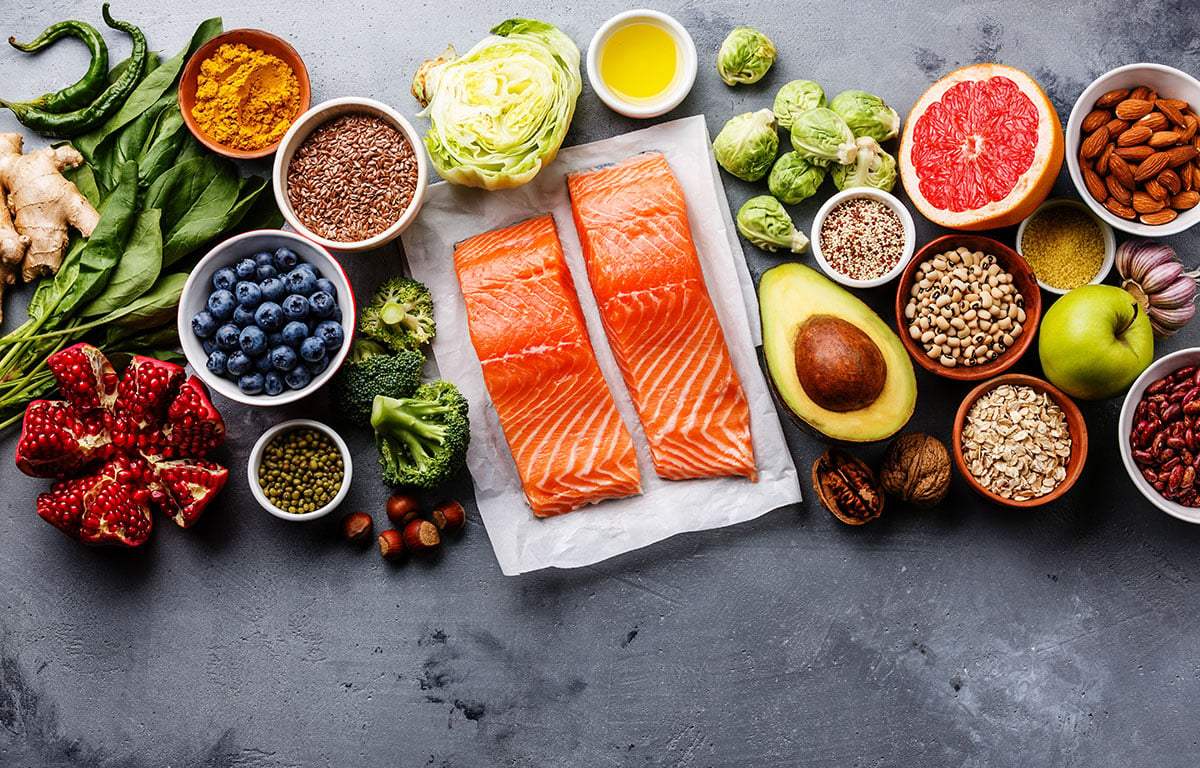
Foods that reduce inflammation include fatty fish such as salmon and mackerel, which are rich in omega-3 fatty acids. Colourful vegetables and fruits provide antioxidants and polyphenols that neutralise free radicals. Nuts, seeds, and olive oil supply healthy fats that support cell membrane integrity. Herbs and spices like turmeric, ginger, and cinnamon contain potent anti-inflammatory compounds.
Foods that promote inflammation should be limited. These include refined sugars, processed vegetable oils, excessive alcohol, white flour products, and ultra-processed snack foods. Trans fats and artificial additives are particularly problematic because they directly trigger inflammatory pathways in the gut and liver.
How Functional Nutrition Differs from Generic Dieting
Functional nutrition treats food as medicine. Rather than following a one-size-fits-all meal plan, a functional nutritionist assesses your individual health picture, including your symptoms, medical history, lifestyle habits, and sometimes laboratory markers such as gut bacteria composition or food sensitivity panels.
Based on this assessment, they create a personalised nutrition strategy that targets your specific inflammatory triggers. Someone with gut-driven inflammation might begin with a guided elimination protocol to identify reactive foods before rebuilding their diet with gut-supportive options. A person with joint inflammation might receive a plan emphasising omega-3 intake and collagen-supportive nutrients like vitamin C and zinc.
This precision is what makes functional nutrition programmes more effective than general dietary advice. As Senior Minister Tharman Shanmugaratnam has remarked, “We must think about well-being in a broader way.” Functional nutrition embodies that thinking by connecting food choices to measurable health outcomes rather than just calorie counting.
What a Structured Programme Looks Like
Most functional nutrition programmes for inflammation management follow a phased approach over eight to sixteen weeks. The initial phase involves assessment and education. You learn which foods support your health and which ones are likely driving your symptoms.
The second phase focuses on dietary change. This may include an elimination period where common inflammatory triggers like dairy, gluten, soy, or refined sugar are temporarily removed. The third phase involves systematic reintroduction, where eliminated foods are brought back one at a time while symptoms are monitored. This process identifies your personal trigger foods with precision.
The final phase is maintenance. By this point, you have a clear understanding of which foods your body tolerates well and which ones cause problems. Your nutritionist helps you build a sustainable long-term eating plan that keeps inflammation under control while remaining enjoyable and practical.
Adapting to Singapore’s Food Environment
Singapore’s food environment presents both opportunities and challenges. Hawker centres offer affordable meals, but many dishes are high in refined carbohydrates, sodium, and cooking oils that promote inflammation. However, local cuisine also features many naturally anti-inflammatory ingredients.
Steamed fish with ginger, stir-fried leafy greens, turmeric-rich curries, and fermented foods like tempeh are all excellent choices. Requesting less oil, choosing brown rice, adding extra vegetables, and limiting sugary drinks are small adjustments that make a measurable difference over time. A functional nutritionist familiar with local food culture can help you make the best choices within your existing eating habits.
Measuring Results and Maintaining Progress
Tracking your response to dietary changes is essential. Keep a simple food and symptom diary for the first eight weeks. Note what you eat, how you feel afterward, and any changes in energy, digestion, pain levels, or sleep quality. Most people begin noticing improvements within three to four weeks of consistent anti-inflammatory eating.
Long-term success depends on viewing nutrition as an ongoing practice rather than a temporary fix. Occasional indulgences are normal and expected. The goal is to maintain an overall eating pattern that keeps inflammatory markers low and supports the body’s natural repair processes. For Singaporeans ready to take control of their health through food, anti-inflammatory diet and functional nutrition programmes provide a clear, evidence-based framework for lasting well-being.
 Maintaining health