
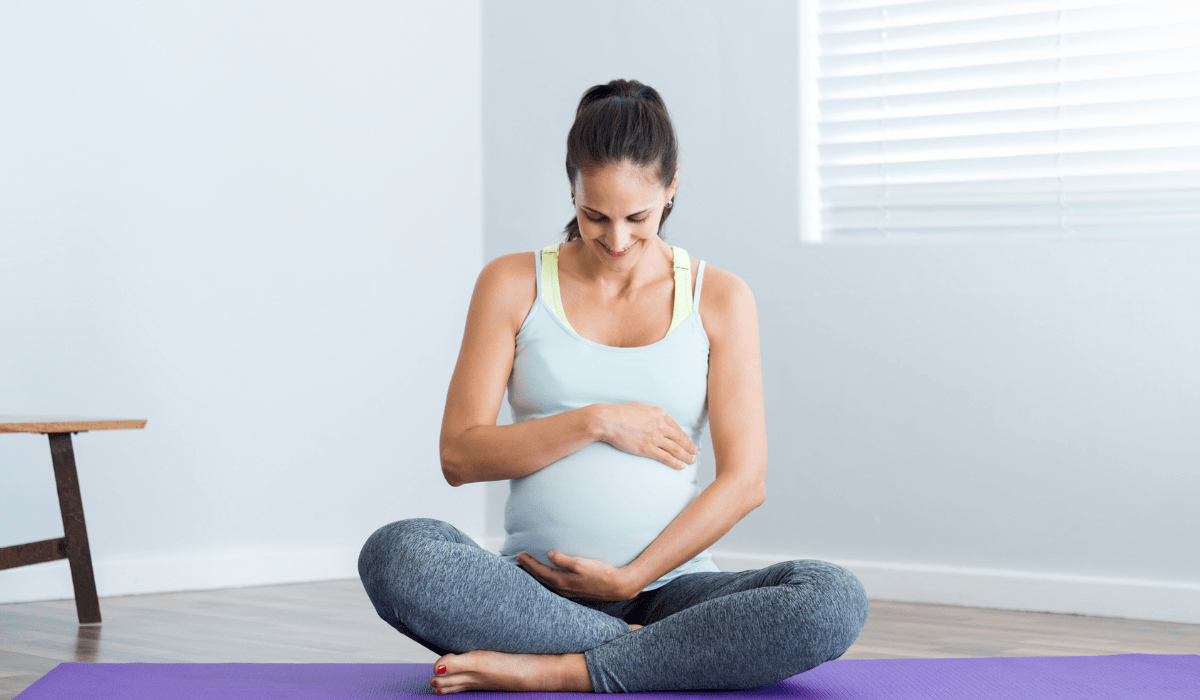
Pregnancy is a journey full of changes—both physical and emotional. As your body transforms to accommodate new life, it’s essential to find ways to maintain your health, strength, and peace of mind. Pregnancy yoga can be a powerful tool to help you through these transitions, offering benefits that go beyond the physical. In this ultimate guide, we’ll explore everything you need to know about practicing yoga during pregnancy, from its numerous benefits to how to get started, and much more.
What is Pregnancy Yoga?
Pregnancy yoga is a specialized form of yoga designed to support women throughout their pregnancy. It incorporates gentle stretching, breathing exercises, and relaxation techniques to help expectant mothers stay physically fit and mentally balanced. Unlike traditional yoga, pregnancy yoga focuses on poses that are safe and beneficial for both the mother and the baby.
Why Choose Pregnancy Yoga?
One might wonder, why should you opt for pregnancy yoga over other forms of exercise? The answer lies in its holistic approach. Pregnancy yoga not only strengthens your body but also nurtures your mind and spirit. It prepares you for childbirth by enhancing your flexibility, improving your posture, and teaching you to breathe deeply—all of which are crucial during labor.
The Benefits of Pregnancy Yoga
The advantages of pregnancy yoga are vast, making it an excellent choice for expectant mothers. Here are some of the key benefits:
- Improved Flexibility:
As your body grows and changes, flexibility is vital. Pregnancy yoga helps maintain and improve flexibility, making it easier to adapt to your changing body.
- Strengthened Muscles:
Yoga poses specifically target the muscles used during childbirth, such as the pelvic floor, which can ease labor and delivery.
- Better Posture:
As your baby grows, your posture may suffer. Yoga helps correct posture, reducing back pain and discomfort.
- Reduced Stress and Anxiety:
Breathing exercises and meditation help calm the mind, reducing stress and anxiety often associated with pregnancy.
- Enhanced Blood Circulation:
Yoga encourages better blood flow, reducing swelling and the risk of varicose veins.
- Improved Sleep:
The relaxation techniques practiced in yoga can lead to better sleep, a common challenge during pregnancy.
- Connection with Your Baby:
Yoga encourages mindfulness and bonding with your baby, making it a special time for both of you.
When to Start Pregnancy Yoga
Many women wonder when the right time is to start practicing pregnancy yoga. The general recommendation is to begin after the first trimester, around 12-14 weeks. This is when the risk of miscarriage decreases, and your body has adjusted to the initial stages of pregnancy.
Trimester Breakdown: What to Expect
- First Trimester (0-13 weeks):
While it’s possible to start yoga during this time, it’s crucial to focus on gentle practices. Listen to your body, and avoid any poses that put pressure on the abdomen.
- Second Trimester (14-26 weeks):
This is often the most comfortable time to practice yoga. Your energy levels are higher, and you can safely explore more poses and techniques.
- Third Trimester (27-40 weeks):
As your body prepares for birth, your practice should become even more gentle. Focus on breathing, relaxation, and poses that open the hips and pelvis.
Essential Pregnancy Yoga Poses
Pregnancy yoga includes a variety of poses that cater to the needs of expectant mothers. Here are some essential poses to incorporate into your routine:
1. Cat-Cow Pose (Marjaryasana-Bitilasana)
This pose helps alleviate back pain by stretching the spine and belly.
1. Start on your hands and knees, with your wrists under your shoulders and your knees under your hips.
2. Inhale and arch your back, lifting your head and tailbone towards the ceiling (Cow Pose).
3. Exhale and round your back, tucking your chin to your chest and your tailbone under (Cat Pose).
4. Repeat for several breaths, moving fluidly between the two positions.
2. Child’s Pose (Balasana)
Child’s Pose is a restful pose that provides a gentle stretch for the back, hips, and thighs.
1. Kneel on the floor with your big toes touching and your knees spread wide.
2. Sit back on your heels and fold forward, extending your arms in front of you.
3. Rest your forehead on the mat and breathe deeply, staying in the pose for a few minutes.
3. Warrior II (Virabhadrasana II)
This pose strengthens the legs, opens the hips, and improves balance.
1. Stand with your feet wide apart, turning your right foot out 90 degrees and your left foot slightly in.
2. Bend your right knee over your ankle, keeping your left leg straight.
3. Extend your arms out to the sides, parallel to the floor, and gaze over your right hand.
4. Hold the pose for several breaths, then switch sides.
4. Butterfly Pose (Baddha Konasana)
This pose opens the hips and stretches the inner thighs, which can be helpful during childbirth.
1. Sit on the floor with your legs extended.
2. Bend your knees and bring the soles of your feet together, allowing your knees to drop out to the sides.
3. Hold your feet with your hands and gently press your knees towards the floor.
4. Stay in the pose for a few breaths, allowing your hips to open.
5. Reclining Bound Angle Pose (Supta Baddha Konasana)
This restorative pose promotes relaxation and opens the pelvis.
1. Lie on your back with your knees bent and your feet on the floor.
2. Bring the soles of your feet together and let your knees fall out to the sides.
3. Place cushions or bolsters under your knees for support if needed.
4. Rest your arms by your sides, palms facing up, and breathe deeply.
Precautions to Consider
While pregnancy yoga is generally safe, it’s important to take certain precautions to protect both you and your baby.
Consult with Your Healthcare Provider
Before starting any new exercise routine, including yoga, consult with your healthcare provider. They can provide personalized advice based on your medical history and pregnancy.
Avoid Certain Poses
Not all yoga poses are suitable for pregnancy. Avoid poses that involve lying on your back after the first trimester, deep twists, or any position that puts pressure on your abdomen.
Listen to Your Body
Your body is going through significant changes, so it’s essential to listen to it. If a pose doesn’t feel right, skip it. Focus on gentle, supportive movements that feel good.
Stay Hydrated
Hydration is crucial during pregnancy. Drink plenty of water before, during, and after your yoga practice to stay hydrated.
Pregnancy Yoga and Labor Preparation
One of the most significant benefits of pregnancy yoga is how it prepares you for labor. The breathing techniques, mental focus, and physical strength you develop can be invaluable when the time comes to deliver your baby.
Breathing Techniques for Labor
During labor, your breath can be your greatest ally. Pregnancy yoga teaches you various breathing techniques, such as:
- Ujjayi Breath:
This deep, rhythmic breathing helps you stay calm and focused.
- Alternate Nostril Breathing:
This technique balances the mind and reduces anxiety.
- Counting Breath:
Inhale for a count of four, hold for four, and exhale for four. This can help manage pain during contractions.
Building Strength for Labor
Labor requires endurance and strength, particularly in the pelvic area. Pregnancy yoga strengthens these muscles, helping you stay strong and resilient throughout labor.
Mental Preparation for Labor
Yoga isn’t just about the physical; it’s also about the mind. The mindfulness and relaxation techniques you practice in pregnancy yoga can help you stay calm and focused during labor, making the experience more positive.
Postpartum Recovery with Yoga
Yoga isn’t just beneficial during pregnancy; it can also aid in postpartum recovery. After giving birth, your body needs time to heal and regain strength. Postpartum yoga can help with this process by:
- Strengthening the Pelvic Floor:
Gentle yoga poses can help strengthen the pelvic floor, which is often weakened during childbirth.
- Easing Back into Exercise:
Yoga provides a gentle way to return to physical activity, helping you regain your strength and flexibility.
- Supporting Mental Health:
The mindfulness and relaxation techniques in yoga can help manage postpartum depression and anxiety.
Getting Started with Pregnancy Yoga
Ready to begin your pregnancy yoga journey? Here’s how to get started:
Find a Qualified Instructor
Look for a yoga instructor who is certified in prenatal yoga. They’ll have the expertise to guide you safely through your practice.
Choose the Right Class
Many studios offer specialized pregnancy yoga classes. These classes are designed to cater to the needs of expectant mothers and provide a supportive environment.
Practice at Home
If attending a class isn’t possible, there are plenty of online resources available. Look for pregnancy yoga videos or apps that guide you through safe and effective practices.
Set Up Your Space
Create a peaceful space at home where you can practice yoga. A quiet, comfortable environment will help you relax and enjoy your practice.
Consistency is Key
Like any form of exercise, consistency is essential. Aim to practice pregnancy yoga a few times a week to reap the full benefits.
Conclusion
Pregnancy yoga is a powerful tool that can support you throughout your pregnancy, during labor, and even in the postpartum period. By practicing regularly, you’ll
 Maintaining health