
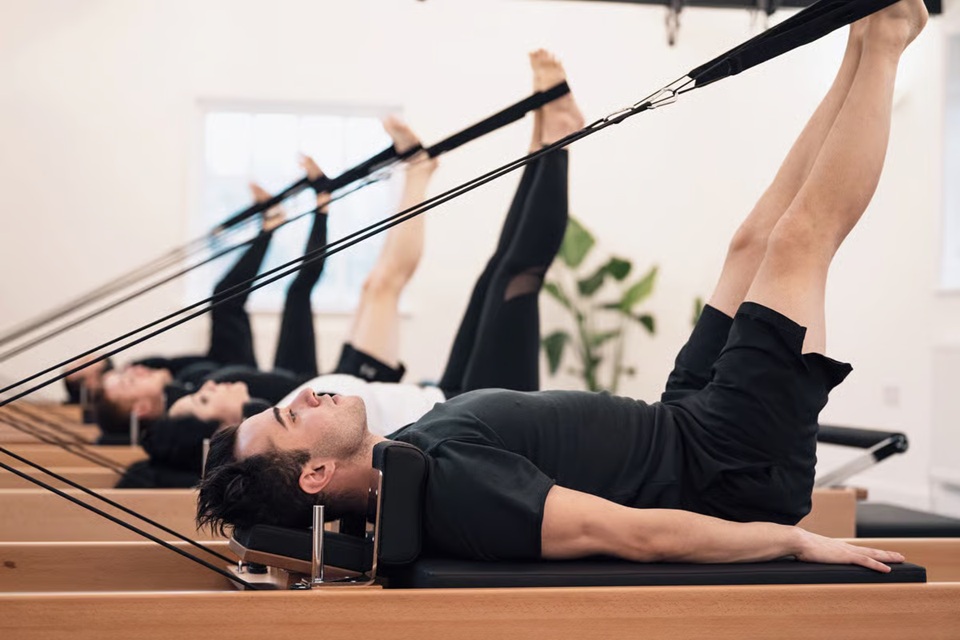
Reformer Pilates has quickly become one of the most talked-about workouts in modern fitness. Once seen as a niche studio option, it has now moved firmly into the mainstream, attracting everyone from complete beginners to seasoned gym-goers looking for a lower-impact way to build strength, improve posture, and move more deliberately.
It is easy to see why it has become so popular. Reformer Pilates offers something many people feel traditional training environments are missing. It looks controlled rather than chaotic. It feels technical without seeming intimidating. It promises strength, stability, and body awareness without the heavy-joint impact that often comes with high-intensity classes or constant weight training.
But whenever any fitness trend grows this quickly, one question tends to follow close behind: is the quality of instruction and experience keeping pace with the popularity?
That is where the conversation around reformer Pilates becomes more interesting. The method itself has clear benefits, but the rapid rise in demand has also created concerns around coaching standards, class quality, and how safely beginners are being introduced to the equipment.
Why reformer Pilates has taken off
Part of the appeal of reformer Pilates is that it seems to sit in the sweet spot between strength training, mobility work, and controlled conditioning.
For people who find the gym repetitive or intimidating, it offers a different kind of challenge. Instead of chasing heavier lifts or faster intervals, reformer Pilates emphasizes control, precision, posture, and muscular endurance. That can be especially attractive to people who want to feel stronger and more athletic without feeling beaten up after every workout.
There is also a strong lifestyle angle to its popularity. Reformer Pilates has become associated with a polished, wellness-focused image. It feels modern, clean, and intentional. For many people, it is not just another way to exercise. It feels like a smarter and more refined way to train.
That perception has helped drive demand, but it has also created a situation where plenty of people are signing up because the format looks appealing, not because they fully understand what the training involves.
It may look gentle, but it is still resistance training
One of the biggest misconceptions around reformer Pilates is that because it looks smooth and controlled, it must automatically be easy or risk-free.
That is not really true.
The reformer machine adds resistance and instability at the same time. It challenges coordination, body alignment, joint control, and muscular endurance, often in positions that feel unfamiliar to beginners. That can be extremely effective when it is coached well. But if someone is moving without proper guidance, rushing through exercises, or working beyond their ability, the fact that the class is “low impact” does not guarantee it is low risk.
Like any training method, reformer Pilates depends heavily on execution.
Good instruction makes all the difference. A skilled coach can adjust spring tension, modify exercises, correct alignment, and make sure beginners are not moving into positions they cannot control. Without that level of coaching, the same exercises that are meant to improve movement quality can quickly become frustrating or, in some cases, problematic.
The downside of fast-growing fitness trends
This is a pattern the fitness industry has seen before.
Whenever a workout style becomes fashionable, growth often happens faster than standards. Studios open quickly, instructors are rushed through qualifications, class sizes increase, and the customer experience becomes more about turnover than coaching.
That does not mean every reformer Pilates studio is cutting corners. Far from it. Many are excellent. But rapid expansion in any fitness niche increases the gap between the best providers and the worst ones.
From the outside, that gap is not always easy to spot.
A studio can look sleek, premium, and professional online while still delivering poor coaching in practice. Good branding does not automatically mean good training. That matters because many people assume a polished setup equals expertise, when in reality the most important factors are often the least glamorous ones: instructor knowledge, attention to detail, class size, beginner support, and how seriously the studio treats progression and safety.
Why beginners need proper coaching
Reformer Pilates can be especially rewarding for beginners, but it can also be the point where coaching matters most.
Someone completely new to the format may not know how to maintain pelvic position, brace properly, control shoulder movement, or adjust the carriage safely. They may not know whether they are compensating through the lower back, gripping through the neck, or moving too quickly through a pattern that is meant to be controlled.
That is not a failure on the part of the client. It is exactly why coaching exists.
The best beginner experiences are usually the ones that slow things down. Clear cueing, sensible progressions, and enough individual attention make a huge difference. A class should not leave a new person feeling confused, rushed, or like they are copying everyone around them without understanding what they are doing.
When that happens, it is often a sign that the studio is prioritizing volume over quality.
The bigger shift in fitness culture
The rise of reformer Pilates says something broader about where fitness is heading.
People are increasingly moving away from all-or-nothing training styles. They still want to feel challenged, but they are also looking for methods that feel sustainable, technical, and aligned with long-term wellbeing. They want workouts that improve movement quality as well as body composition. They want something that feels intentional rather than punishing.
Reformer Pilates fits perfectly into that shift.
It appeals to people who want to train hard enough to feel progress, but not in a way that leaves them constantly exhausted or carrying minor aches from session to session. In that sense, its popularity is not surprising at all. It reflects a wider demand for smarter training rather than simply harder training.
That is a positive direction overall. But it also raises the bar for providers. The more a workout is marketed as precise and body-aware, the more important it becomes that the delivery actually lives up to that promise.
What people should look for in a studio
For anyone considering reformer Pilates, the safest approach is not to be put off by the concerns, but to be selective.
A good studio should make beginners feel supported rather than overwhelmed. It should be clear about whether a class is appropriate for first-timers. The coaching should be easy to follow, the pace should feel controlled, and the instructor should actively pay attention to how people are moving rather than simply leading from the front and hoping everyone keeps up.
It is also worth paying attention to how the studio talks about results.
If the messaging is all about quick aesthetic changes, trend appeal, or celebrity-style marketing, that can sometimes be a warning sign that presentation is being prioritized over teaching. A stronger sign of quality is a studio that talks about movement, control, progression, and individual ability rather than just selling a look.
Ultimately, reformer Pilates is not something to fear. It is simply something to approach with the same common sense you would apply to any other training method. The machine does not guarantee results, and the trend does not guarantee quality. What matters is how well the training is taught.
Supplements, recovery, and keeping the conversation sensible
One reason many people are drawn to reformer Pilates is that they want a style of training that feels effective without feeling destructive. That naturally opens up a wider conversation around recovery.
For most people, recovery still comes back to basics: enough sleep, enough protein, sensible hydration, and a training schedule that matches what the body can actually absorb. These things are rarely marketed with the same excitement as trendy products or advanced protocols, but they remain the foundation of progress.
From there, it is common for readers to become curious about the broader performance and recovery space, including compounds and categories that are discussed heavily online but often explained poorly. In that area, the safest route is always education first. Clear, non-hyped resources are far more useful than content designed to sensationalize results or oversimplify the risks.
For readers interested in the wider research around performance and recovery, including how certain compounds are discussed in evidence and regulation-focused contexts, this research guide provides a more balanced starting point.
Final thoughts
Reformer Pilates deserves its popularity. It offers a genuinely appealing mix of control, resistance, posture work, and lower-impact challenge that many people find refreshing compared with more aggressive training styles.
At the same time, popularity should not make anyone less critical about quality. A workout can be well-designed and still be delivered badly. A studio can be trendy and still be poorly coached. And a method can be low-impact while still requiring real attention to technique and progression.
The smart response is not to dismiss reformer Pilates, but to respect it.
For those willing to choose their studio carefully, focus on proper instruction, and treat the method as a discipline rather than just a trend, reformer Pilates can be one of the most effective and sustainable ways to train. In a fitness world that often celebrates excess, that balance may be exactly why it has captured so much attention.
 Maintaining health