
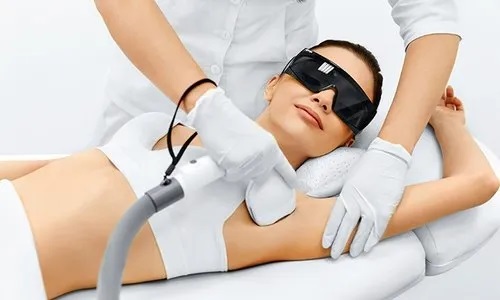
A Collaborating Physician for Laser Hair Removal Clinics is a licensed medical doctor who provides legal oversight, clinical supervision, and regulatory compliance guidance for clinics using medical-grade laser devices.
In many states, physician collaboration is required to delegate treatments, ensure patient safety, reduce liability exposure, and operate within medical board regulations.
Core Question This Article Answers
Do laser hair removal clinics legally need a collaborating physician, and what does that physician actually do?
This guide explains the legal requirements, safety responsibilities, costs, and oversight structure involved in physician collaboration.
What Is a Collaborating Physician for Laser Hair Removal Clinics?
A Collaborating Physician for Laser Hair Removal Clinics is a licensed MD or DO who supervises and legally delegates laser-based procedures performed in aesthetic practices.
Because energy-based laser devices penetrate the skin and carry medical risk, many states classify laser hair removal as a medical procedure.
Depending on state law, treatments may require:
- Direct physician performance
- Delegation to NPs or PAs
- Supervision of certified laser technicians
- Written standing orders
- Formal supervision agreements
Since regulations vary significantly by state, physician collaboration is often essential for lawful operation.
Why Do Laser Hair Removal Clinics Legally Need a Collaborating Physician?
1. Regulatory Compliance
State medical boards regulate the use of laser devices. Common requirements include:
- Formal supervision or collaboration agreements
- Written treatment protocols
- Documented delegation of procedures
- Periodic chart audits
- Defined emergency response procedures
Failure to meet these standards exposes clinics to regulatory action.
Risks of Non-Compliance
Operating without proper physician oversight may result in:
- Fines and financial penalties
- License suspension
- Insurance denial of coverage
- Cease-and-desist orders
- Forced business closure
Regulatory enforcement has intensified since 2021 as aesthetic laser practices have expanded nationwide.
How Does a Collaborating Physician Improve Patient Safety?
Although laser hair removal is generally safe, it carries inherent medical risks.
Common Complications
- Burns
- Blistering
- Hyperpigmentation
- Hypopigmentation
- Scarring
- Eye injury
A collaborating physician reduces these risks by implementing structured safety systems, including:
- Fitzpatrick skin type assessments
- Comprehensive medical history screening
- Device calibration standards
- Patch testing protocols
- Burn management procedures
Structured oversight significantly lowers malpractice exposure and improves clinical outcomes.
Example: Laser Safety Protocol Framework
| Safety Step | Purpose |
| Skin typing | Determines appropriate energy settings |
| Patch testing | Identifies sensitivity before full treatment |
| Protective eyewear | Prevents retinal injury |
| Equipment logs | Documents maintenance and calibration |
| Post-treatment follow-up | Monitors for adverse reactions |
What Does a Collaborating Physician Actually Do?
A Collaborating Physician for Laser Hair Removal Clinics typically:
- Drafts and approves clinical treatment protocols
- Reviews patient charts
- Legally delegates procedures
- Supervises clinical staff
- Provides complication escalation support
- Ensures compliance with state medical board regulations
In some states, the physician must conduct the initial patient evaluation before laser treatment begins.
How Do You Choose the Right Collaborating Physician?
Selecting the right physician partner requires careful evaluation.
Look for:
- Experience with energy-based devices
- Background in dermatology or cosmetic medicine
- Knowledge of state-specific delegation laws
- Clear communication and accessibility
- A structured written agreement
Your Agreement Should Define:
- Scope of supervision
- Chart review frequency
- Emergency availability expectations
- Compensation terms
- Malpractice insurance coverage
Comprehensive documentation protects both the clinic owner and the physician.
What Mistakes Should Laser Clinics Avoid?
Compliance failures often occur during rapid expansion.
Common Errors Include:
- Purchasing laser equipment before verifying legal requirements
- Allowing unlicensed personnel to perform treatments
- Failing to document physician delegation
- Skipping chart audits
- Operating without malpractice insurance coverage
These issues frequently surface during regulatory audits or following patient complaints.
How Is Physician Collaboration Evolving in Aesthetic Laser Practices?
The global aesthetic laser market is projected to surpass $8 billion by 2030, driven by demand for non-invasive cosmetic procedures.
As the industry grows, regulatory oversight continues to tighten.
Emerging Trends Include:
- Increased medical board scrutiny
- Tele-supervision models
- Standardized documentation requirements
- Insurance carriers requiring proof of physician oversight
Clinics with structured physician collaboration are better positioned to expand into:
- IPL treatments
- Tattoo removal
- Laser resurfacing
- Skin tightening procedures
As treatment complexity increases, regulatory expectations rise accordingly.
FAQ: Collaborating Physician for Laser Hair Removal Clinics
Do all laser hair removal clinics need a collaborating physician?
In many states, yes—particularly when treatments are delegated to non-physician providers. Always verify requirements with your state medical board.
Can a laser technician operate without physician supervision?
In most states, no. Laser devices are often classified as medical equipment requiring physician oversight.
Does the physician need to be on-site daily?
Not necessarily. Many states allow remote supervision, but accessibility and documentation standards must still be met.
Is hiring a collaborating physician worth the cost?
Yes. The monthly fee is significantly lower than potential legal costs associated with compliance violations or malpractice claims.
Does telemedicine eliminate the need for physician oversight?
No. Remote supervision still requires formal agreements and compliance with state medical laws.
Final Takeaway
A Collaborating Physician for Laser Hair Removal Clinics is not simply a regulatory formality—it is a legal safeguard, patient safety advocate, and strategic growth partner.
Clinics that prioritize structured physician oversight reduce liability, strengthen credibility, and position themselves for sustainable expansion in the evolving aesthetic laser industry.
 Maintaining health