
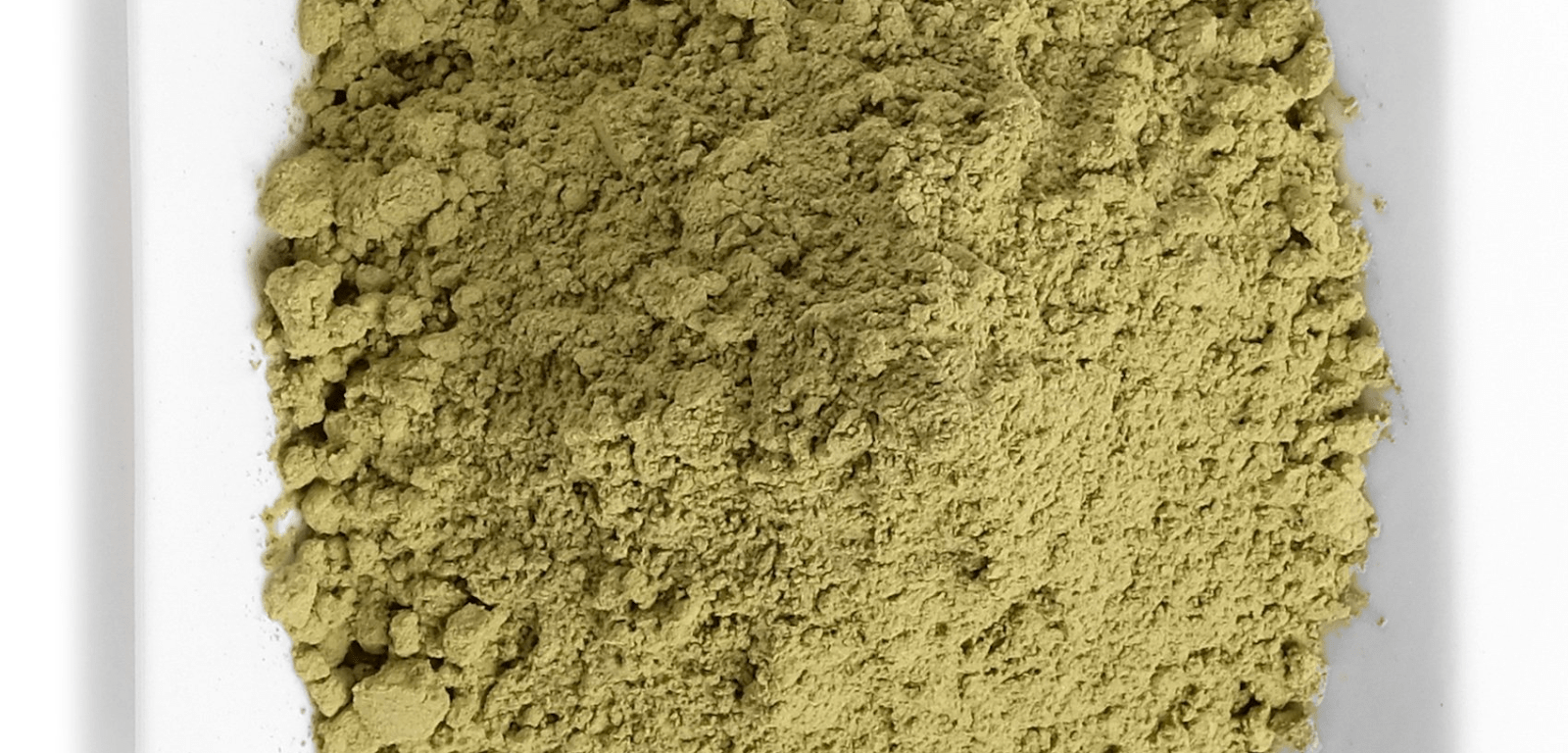
Kratom, a plant native to Southeast Asia, has gained increasing attention in recent years for its potential medicinal properties. While its use dates back centuries in traditional medicine, the scientific understanding of how kratom works in the body is still evolving. To better understand its effects, it’s important to examine how kratom interacts with the body’s biological systems, particularly the brain.
Alkaloids: The Key Components of Kratom
The primary active compounds in kratom are alkaloids, with mitragynine and 7-hydroxymitragynine being the most studied. These alkaloids are responsible for the plant’s psychoactive and therapeutic effects. When consumed, kratom’s alkaloids interact with receptors in the brain and other parts of the central nervous system to produce a variety of effects.
Interaction with Opioid Receptors
One of the most significant ways kratom affects the body is through its interaction with opioid receptors in the brain. These receptors are responsible for managing pain, mood, and feelings of pleasure. Similar to how opioids work, kratom’s alkaloids bind to these receptors, producing pain-relieving effects, and in some cases, a sense of euphoria.
Serotonin and Dopamine Release
In addition to its interaction with opioid receptors, kratom also influences other neurotransmitters in the brain, such as serotonin and dopamine. These are the same chemicals associated with mood regulation, motivation, and pleasure. The release of serotonin can promote feelings of well-being and reduce anxiety, while dopamine is often referred to as the “reward” chemical, influencing motivation and mood.
Metabolism and Duration of Effects
Once ingested, kratom is metabolized by the liver, and its alkaloids are absorbed into the bloodstream. The effects can be felt within 10 to 15 minutes, depending on the method of consumption, and can last for several hours. However, the potency and duration of effects depend on several factors, including the dose, strain, and individual tolerance.
Potential Risks and Side Effects
While kratom’s interaction with the body can be beneficial for many people, it is not without risks. High doses or prolonged use can lead to tolerance, meaning larger doses are required to achieve the same effects. This can increase the risk of dependence and withdrawal symptoms when kratom use is stopped. Side effects such as nausea, dizziness, constipation, and dry mouth are common, especially when kratom is taken in large quantities.
Conclusion
Kratom works in the body primarily through its interaction with opioid receptors, as well as by influencing serotonin and dopamine levels. While it can provide benefits such as pain relief, mood enhancement, and increased energy, it also carries risks, particularly when used irresponsibly or in large amounts.
This post was written by a professional at Tribe Wholesale. Tribe Wholesale delivers kratom you can count on — fresh, tested, and ethically sourced from trusted Southeast Asian farms. Built by true kratom fans, we focus on quality over quantity, offering shop owners and home brewers pure, lab-verified kratom every time. This is the place to buy kratom online — wholesale or in bulk — with every batch tracked, tested, and proven for purity, potency, and safety. 100% transparency. 100% trust.
 Maintaining health