
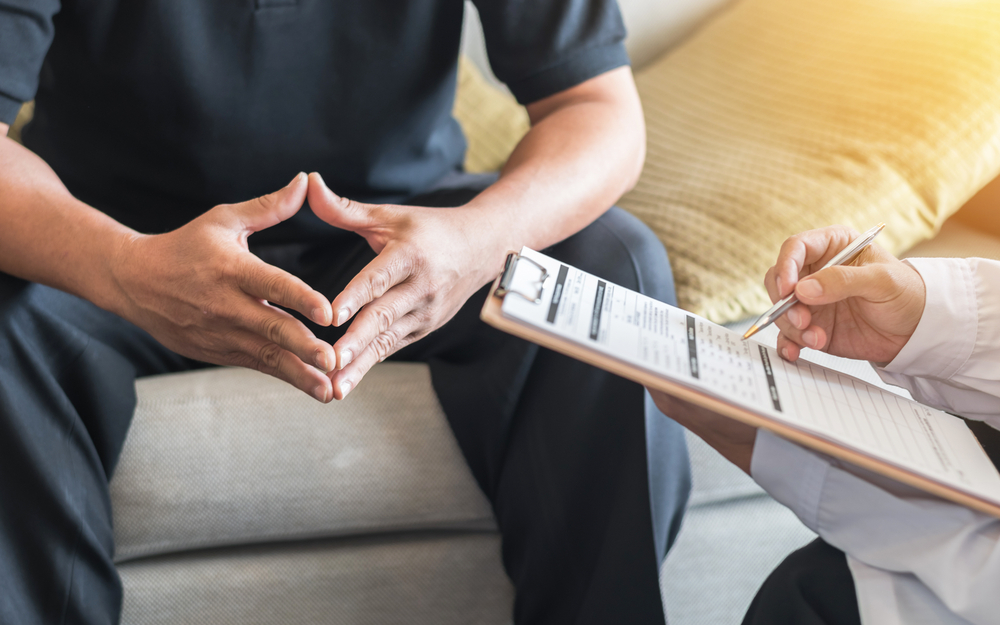
Addiction and mental-health recovery can feel deeply isolating. Many people begin treatment believing they must face their struggles in private that no one else could truly understand their pain, guilt, or fear. Then they walk into group therapy for the first time and discover something powerful: they’re not alone at all.
In an intensive outpatient program, group therapy becomes one of the most transformative parts of healing. Surrounded by people who share similar experiences, you gain perspective, support, and strength that individual therapy alone can’t always provide.
Let’s look at why group therapy matters so much in recovery, and how it works within modern treatment programs across Massachusetts.
What Is Group Therapy?
Group therapy is a structured, therapist-led counseling session where several participants meet together to discuss challenges, share experiences, and learn coping skills.
Sessions typically include 6–10 people and are facilitated by a licensed clinician who ensures safety, respect, and focus.
A group therapy program in Massachusetts may include:
- Process groups, where participants share personal experiences and feelings in real time.
- Psychoeducational groups, focused on learning about addiction, mental health, and relapse prevention.
- Skill-building groups, teaching emotional regulation, mindfulness, and communication strategies.
- Support or peer groups, fostering connection and accountability among members.
Each format reinforces one core truth: recovery is stronger when it’s shared.
How Group Therapy Fits Into IOP and PHP
In an intensive outpatient program, group therapy is one of the cornerstones of treatment. Clients usually attend sessions several times a week, alongside individual counseling and other therapeutic modalities.
Because IOP offers flexibility allowing clients to live at home, work, or attend schoolgroup sessions provide a vital sense of community and consistency. They help bridge the gap between clinical care and daily life, offering a support network that extends beyond treatment hours.
Similarly, in a partial hospitalization program in Boston, Massachusetts, group therapy forms the heart of daytime treatment. PHP clients attend structured, multi-hour sessions during the day that often combine individual therapy, family work, and group counseling. Together, these sessions create a balanced healing environment that addresses both personal insight and social connection.
The Unique Benefits of Group Therapy in Recovery
1. Breaking Isolation and Shame
One of the first benefits of group therapy is realizing you’re not alone. Addiction and mental-health challenges often thrive in secrecy, people hide their pain, convinced no one else could understand.
But in a group therapy program, clients quickly see that others share the same fears, setbacks, and hopes. That recognition helps dissolve shame and replaces it with belonging. Hearing someone say, “I’ve been there too,” can be more healing than any clinical explanation.
2. Learning Through Shared Experience
Everyone in a group brings unique life experiences and coping strategies. When one person shares how they handled a craving, repaired a relationship, or managed anxiety, others learn practical tools they can try themselves.
This peer-to-peer learning expands treatment beyond the therapist’s guidance. It turns recovery into a collaborative process, one where every story adds value. In IOP and PHP settings, this exchange of real-life strategies accelerates growth and helps clients build confidence in their ability to handle life’s challenges outside the program.
3. Developing Accountability and Motivation
Recovery is a daily choice, and accountability keeps that choice alive. In group sessions, members celebrate each other’s wins and gently challenge one another when setbacks occur. This mutual accountability creates a culture of honesty and resilience.
When participants commit to showing up not just for themselves but for the group attendance and engagement naturally improve. For many clients in an intensive outpatient program in Boston, Massachusetts, that consistency becomes the anchor that keeps them progressing between sessions.
4. Improving Communication and Relationship Skills
Addiction and mental-health issues often damage communication both with loved ones and within ourselves. Group therapy offers a safe environment to practice new ways of relating to others.
Participants learn to:
- Express emotions clearly and respectfully.
- Listen actively without judgment.
- Set healthy boundaries and respect others’.
- Give and receive feedback constructively.
These interpersonal skills extend far beyond the therapy room. Clients report stronger family relationships, healthier friendships, and better communication at work. This is especially valuable when paired with a family therapy program in Boston, Massachusetts, where both clients and relatives learn together how to interact and support recovery at home.
5. Building Confidence and Self-Awareness
Speaking in front of others, especially about personal struggles takes courage. Each time a client opens up in a group, they strengthen their self-awareness and confidence.
As peers offer support and empathy, participants begin to view themselves through kinder, more understanding eyes. Over time, self-esteem grows not from external validation, but from the realization that their story matters and can help others heal too.
6. Providing a Real-World Social Environment
Group therapy mirrors real life. It involves differing personalities, emotions, and opinions just like the outside world.
In this safe, guided space, clients can test boundaries, navigate conflict, and practice healthy social interaction without fear of judgment or relapse. That experience prepares them for re-entry into everyday relationships after completing an intensive outpatient program or a partial hospitalization program.
The skills learned in group patience, empathy, honesty, communication are exactly the ones needed to sustain long-term recovery.
The Role of the Therapist in Group Sessions
While group therapy thrives on peer connection, it’s not simply a casual conversation. Every session is structured and led by a trained therapist who ensures the group stays safe, respectful, and therapeutic.
Facilitators help:
- Establish group norms and confidentiality.
- Encourage balanced participation so every voice is heard.
- Redirect unhelpful behaviors or comments.
- Provide clinical insight and coping tools.
This balance between freedom and structure is what makes group therapy so effective. Clients can express themselves authentically while knowing a professional is guiding the process toward growth, not chaos.
Combining Group Therapy with Family and Individual Work
Recovery is most effective when it addresses every layer of lifeself, relationships, and community. That’s why many treatment centers integrate group therapy alongside individual and family sessions.
- Individual therapy helps clients explore personal trauma, triggers, and emotions.
- Group therapy provides social learning and shared accountability.
- Family therapy repairs communication at home, helping loved ones heal together.
In a family therapy program in Boston, Massachusetts, families learn about addiction’s impact on emotions and behavior, and how to support recovery without enabling. When family therapy is combined with IOP group sessions, clients experience deeper emotional repair and a stronger support system inside and outside treatment.
How Group Therapy Supports the Continuum of Care
Group therapy doesn’t end when a program does. It’s a thread that connects every level of care from inpatient and PHP to IOP and long-term outpatient.
Many clients begin group sessions during a partial hospitalization program, continue through IOP, and then attend alumni or community support groups afterward. This continuity provides stability during transitions, reducing the risk of relapse as clients gain more independence.
Group therapy also helps maintain long-term engagement. Even after completing an intensive outpatient program in Boston, Massachusetts, many clients choose to keep attending peer groups because they’ve built genuine friendships and accountability networks.
What a Typical Group Therapy Session Looks Like
Each center may have its own structure, but most group sessions follow a familiar rhythm:
- Check-In: Members share how they’re feeling and any challenges since the last session.
- Topic Introduction: The therapist introduces a theme such as coping with stress, setting boundaries, or navigating triggers.
- Open Discussion or Activity: Participants share experiences, role-play, or practice new skills.
- Reflection: The therapist helps members identify insights or action steps to apply between sessions.
By the end, clients often feel lighter, more connected, and more focused on their recovery goals. The group becomes a consistent touchpoint of stability amid the changes of daily life.
The Emotional Power of Shared Healing
It’s easy to underestimate the impact of simply being seen and understood. Group therapy offers that moment again and again the realization that others truly get it.
People who once felt invisible start finding their voice. Those who arrived guarded begin to trust. Each person’s courage helps unlock healing for the next. In the words of one participant, “Group therapy gave me back my sense of belonging. For the first time, I didn’t feel like the broken one, I felt human.” That’s the heart of group therapy’s power: shared healing that rebuilds the human connections addiction once broke.
 Maintaining health