
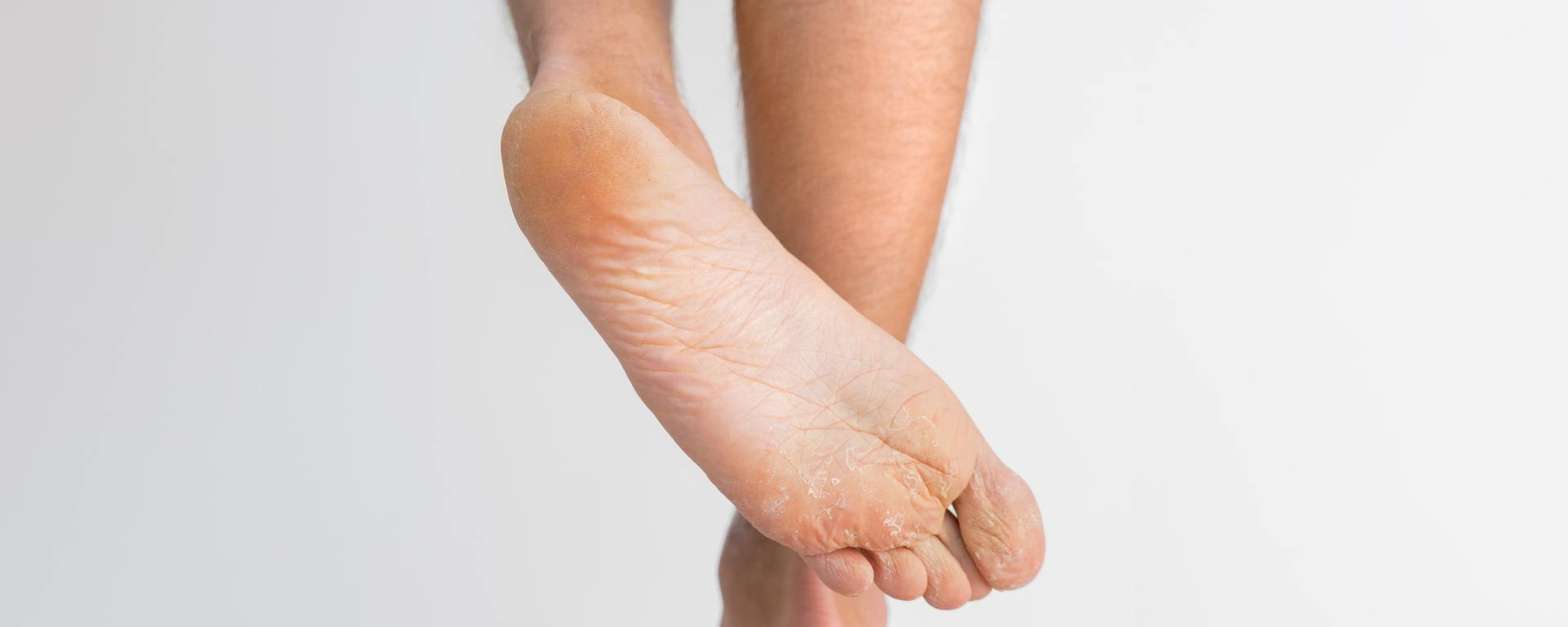
Athlete’s foot is one of the most common fungal infections affecting millions of people worldwide, yet it remains shrouded in misconceptions and inadequate treatment approaches. This persistent condition can transform from a minor annoyance into a debilitating problem that affects your daily comfort and confidence. Whether you’re an active sports enthusiast, someone who frequents communal changing areas, or simply dealing with this frustrating infection for the first time, understanding the comprehensive approach to treatment and prevention is crucial for achieving lasting relief.
The journey to healthy, comfortable feet begins with proper knowledge and the right treatment strategy. This guide will equip you with everything you need to know about athlete’s foot, from recognising the early warning signs to implementing effective treatment protocols that actually work. We’ll explore both traditional remedies that have stood the test of time and modern solutions that leverage the latest advances in antifungal technology.
Understanding Athlete’s Foot: More Than Just an Itch
Athlete’s foot, medically known as tinea pedis, is a fungal infection primarily caused by dermatophytes – microscopic organisms that thrive in warm, moist environments. Contrary to popular belief, you don’t need to be an athlete to develop this condition. The name simply reflects the fact that it was first extensively documented in athletes who frequently used communal shower facilities and changing rooms.
The infection typically begins between the toes, particularly in the fourth and fifth toe spaces, where moisture tends to accumulate and ventilation is poorest. The fungal organisms feed on keratin, the protein found in the outer layer of your skin, nails, and hair. As they multiply, they cause the characteristic symptoms that make this condition so uncomfortable and persistent.
What makes athlete’s foot particularly challenging is its ability to spread and recur. The fungi can survive on surfaces for extended periods, meaning that without proper treatment and prevention measures, reinfection is highly likely. This explains why many people struggle with recurring episodes despite seemingly successful initial treatment.
The condition manifests in several distinct forms, each requiring slightly different treatment approaches. The most common presentation is the interdigital type, which occurs between the toes and presents with scaling, maceration, and fissuring of the skin. The moccasin type affects the soles and sides of the feet, causing chronic scaling and thickening. The vesicular type, though less common, produces fluid-filled blisters and can be particularly uncomfortable.
Recognising the Warning Signs and Symptoms
Early identification of athlete’s foot symptoms is crucial for prompt treatment and preventing the infection from spreading or becoming chronic. The initial signs are often subtle and may be dismissed as minor skin irritation, but recognising these early indicators can save you from weeks or months of discomfort.
The most common early symptom is itching between the toes, particularly after removing shoes and socks. This itching often intensifies in warm, humid conditions or after physical activity. You may notice a slight burning or stinging sensation, especially when the affected area comes into contact with water during bathing.
Visual symptoms typically develop alongside the sensory ones. The skin between your toes may appear white, soggy, or macerated, particularly after prolonged periods in shoes. Scaling and peeling skin are hallmark signs, often accompanied by small cracks or fissures that can be painful and may bleed slightly. In some cases, you might observe small, fluid-filled blisters that can burst and leave raw, tender areas.
As the infection progresses, the symptoms often extend beyond the toe spaces. The soles of your feet may develop areas of scaling, particularly along the edges and in the arch area. The skin might appear dry and flaky, or conversely, become thick and leathery in chronic cases. Some people experience a distinctive musty or unpleasant odour emanating from their feet, which results from the combination of fungal activity and bacterial secondary infections.
It’s important to distinguish athlete’s foot from other conditions that can cause similar symptoms. Eczema, psoriasis, and bacterial infections can all produce itching, scaling, and discomfort in the foot area. However, athlete’s foot typically has a asymmetrical distribution and responds to antifungal treatments, whereas other conditions require different therapeutic approaches.
Professional Medical Treatments That Actually Work
When dealing with persistent or severe athlete’s foot, professional medical treatments often provide the most reliable and comprehensive approach to eradication. Healthcare providers have access to prescription-strength medications and can accurately diagnose the specific type of fungal infection, ensuring that treatment is targeted and effective.
Topical prescription antifungals represent the first line of professional treatment for most cases of athlete’s foot. These medications, including terbinafine, ciclopirox, and econazole, are significantly more potent than over-the-counter alternatives. Prescription topical treatments typically achieve higher cure rates and lower recurrence rates compared to non-prescription options. The treatment duration is usually shorter, often requiring only one to two weeks of application rather than the four to six weeks commonly needed with over-the-counter products.
For severe, chronic, or resistant cases, oral antifungal medications may be prescribed. Terbinafine and itraconazole are the most commonly prescribed oral agents, offering systemic treatment that addresses fungal infections throughout the body. These medications are particularly useful when the infection has spread to the nails or when topical treatments have repeatedly failed. However, oral antifungals require monitoring for potential side effects and drug interactions, making professional supervision essential.
In cases where secondary bacterial infections have developed, healthcare providers may prescribe combination treatments that address both fungal and bacterial components. These might include antibiotic creams or oral antibiotics alongside antifungal therapy. This comprehensive approach is often necessary when the athlete’s foot has caused significant skin breakdown or when symptoms include unusual discharge or severe inflammation.
Advanced treatment options include prescription-strength powders and solutions that can be particularly effective for prevention and maintenance therapy. Professional athlete’s foot powder treatments for long-term care offer superior antifungal activity and can be invaluable for individuals prone to recurrent infections or those with occupational risk factors.
Natural and Home Remedies: Traditional Wisdom Meets Modern Understanding
Natural remedies for athlete’s foot have been used for generations, and whilst they may not always match the efficacy of modern antifungal medications, many have legitimate antifungal properties and can serve as valuable complementary treatments or preventive measures. Understanding these approaches can provide additional tools in your treatment arsenal, particularly for mild cases or as maintenance therapy.
Tea tree oil stands out as one of the most researched natural antifungal agents. Studies have demonstrated that tea tree oil possesses broad-spectrum antifungal activity and can be effective against the dermatophytes responsible for athlete’s foot. When using tea tree oil, it’s crucial to dilute it properly – typically to a 10% concentration – as undiluted tea tree oil can cause skin irritation. Apply the diluted solution twice daily to clean, dry feet, paying particular attention to the affected areas and surrounding skin.
Vinegar soaks have long been recommended for athlete’s foot, and there’s scientific basis for this traditional remedy. The acidic environment created by vinegar (typically white vinegar or apple cider vinegar) can inhibit fungal growth and help restore the skin’s natural pH balance. Prepare a foot soak using one part vinegar to two parts warm water, and soak your feet for 15-20 minutes daily. After soaking, thoroughly dry your feet, especially between the toes.
Garlic possesses potent antifungal compounds, particularly allicin, which has demonstrated effectiveness against various fungal species. You can create a garlic paste by crushing fresh garlic cloves and mixing with a small amount of olive oil. Apply this mixture to affected areas for 30 minutes before washing off thoroughly. However, garlic can cause skin irritation in some individuals, so test on a small area first.
Baking soda serves dual purposes in athlete’s foot treatment: it creates an alkaline environment that’s inhospitable to fungi and helps absorb moisture. Create a paste using baking soda and water, apply to affected areas, and leave for 15 minutes before rinsing. Alternatively, you can dust your feet with baking soda powder and leave it on overnight, washing off in the morning.
Essential oils beyond tea tree oil also show promise. Oregano oil contains carvacrol and thymol, compounds with strong antifungal properties. Lavender oil not only has antifungal activity but also provides soothing properties that can help relieve itching and inflammation. Always dilute essential oils properly and perform patch tests before widespread application.
Over-the-Counter Solutions: Navigating Your Options
The pharmacy shelves are filled with numerous over-the-counter treatments for athlete’s foot, each claiming superior effectiveness. Understanding the active ingredients and their mechanisms of action can help you make informed choices and maximise your chances of successful treatment.
Terbinafine-based products represent some of the most effective over-the-counter options available. This antifungal agent works by inhibiting an enzyme essential for fungal cell wall synthesis, leading to fungal cell death. Terbinafine creams typically require shorter treatment courses than other over-the-counter options – often just one week compared to four weeks for other ingredients. The medication continues to work for several days after application ends, providing extended antifungal activity.
Clotrimazole is another widely available antifungal ingredient found in creams, powders, and solutions. It works by disrupting the fungal cell membrane, causing cell death. Whilst generally effective, clotrimazole typically requires longer treatment courses, usually four weeks of twice-daily application. It’s particularly useful for individuals who may have sensitivities to other antifungal agents.
Miconazole offers broad-spectrum antifungal activity and is available in various formulations. It’s often found in combination products that address both fungal infections and associated symptoms like itching and inflammation. Miconazole can be particularly effective for treating athlete’s foot that has spread to larger areas of the foot.
Tolnaftate is a time-tested antifungal agent that’s been available over-the-counter for decades. Whilst it may not be as potent as newer agents, it has an excellent safety profile and can be effective for mild to moderate infections. It’s available in powders, creams, and solutions, making it versatile for different treatment preferences.
When selecting over-the-counter treatments, consider the formulation as well as the active ingredient. Creams are ideal for dry, scaling areas and provide good skin contact. Powders are excellent for moisture control and prevention, particularly when used in shoes and socks. Solutions can penetrate into cracks and crevices effectively but may be drying to the skin.
Prevention Strategies: Keeping Athlete’s Foot at Bay
Prevention is arguably more important than treatment when it comes to athlete’s foot, as the condition has a notorious tendency to recur. Developing comprehensive prevention strategies requires understanding the environmental factors that promote fungal growth and implementing lifestyle modifications that create inhospitable conditions for these organisms.
Foot hygiene forms the foundation of athlete’s foot prevention. Daily washing with soap and water, followed by thorough drying, particularly between the toes, is essential. Many people underestimate the importance of complete drying – even slight moisture left between toes can create ideal conditions for fungal growth. Consider using a hair dryer on a cool setting to ensure complete dryness, especially in humid climates or after intense physical activity.
Footwear management plays a crucial role in prevention. Rotate your shoes daily to allow complete drying between wears – fungi can survive in shoes for extended periods, leading to reinfection. Choose shoes made from breathable materials like leather or canvas rather than synthetic materials that trap moisture. When possible, go barefoot at home to allow your feet maximum air exposure.
Sock selection and management are equally important. Choose moisture-wicking synthetic fibres or merino wool rather than cotton, which retains moisture. Change socks immediately if they become damp from perspiration, and consider bringing extra socks for long days or intense activities. Some people benefit from antifungal socks that contain silver or copper fibres with antimicrobial properties.
Environmental precautions are essential, particularly in communal areas. Always wear protective footwear in public showers, locker rooms, pool areas, and hotel rooms. These environments are hotbeds for fungal contamination, and direct skin contact with contaminated surfaces is a primary transmission route. Flip-flops or shower shoes provide an effective barrier against infection.
Home environment management shouldn’t be overlooked. Regularly disinfect shower floors and bathtubs, particularly if someone in the household has or has recently had athlete’s foot. Wash towels, sheets, and socks in hot water (at least 60°C) to kill any fungal organisms. Consider using antifungal sprays in shoes and on frequently contacted surfaces.
The Role of Diet and Lifestyle in Fungal Infections
Whilst topical treatments address the immediate fungal infection, dietary and lifestyle factors can significantly influence your susceptibility to athlete’s foot and other fungal infections. Understanding these connections allows for a more holistic approach to treatment and prevention.
Sugar consumption has a direct relationship with fungal growth throughout the body. Fungi, including those responsible for athlete’s foot, thrive on sugar, and high blood sugar levels can promote fungal proliferation. Reducing refined sugar intake and choosing complex carbohydrates over simple sugars can help create an internal environment less conducive to fungal growth. This is particularly important for individuals with diabetes, who are at increased risk for all types of fungal infections.
Immune system health plays a crucial role in your body’s ability to fight off fungal infections. A compromised immune system – whether due to stress, illness, medications, or nutritional deficiencies – can make you more susceptible to developing athlete’s foot and can make infections more persistent and difficult to treat. Ensuring adequate sleep, managing stress levels, and maintaining good nutrition all contribute to optimal immune function.
Certain nutrients have specific antifungal properties or support immune function in ways that help combat fungal infections. Zinc is essential for immune function and wound healing, and deficiency can increase susceptibility to skin infections. Vitamin C supports immune function and collagen synthesis, important for maintaining healthy skin barriers. Probiotics can help maintain the body’s natural balance of microorganisms, potentially reducing the likelihood of fungal overgrowth.
Hydration status affects skin health and the body’s ability to maintain natural barriers against infection. Well-hydrated skin is more resilient and better able to resist fungal invasion. However, it’s important to distinguish between systemic hydration and localised moisture – whilst you want your body well-hydrated, you want your feet dry.
Physical activity levels and sweating patterns significantly influence athlete’s foot risk. Regular exercise is beneficial for overall health and immune function, but it also increases foot moisture through perspiration. The key is managing the moisture effectively through appropriate footwear, sock changes, and post-exercise hygiene routines.
When to Seek Professional Help
Knowing when to transition from self-treatment to professional medical care can make the difference between quick resolution and prolonged suffering with athlete’s foot. Certain symptoms and circumstances warrant immediate professional attention, whilst others suggest that self-treatment isn’t providing adequate results.
Persistent symptoms despite appropriate self-treatment for more than two weeks indicate the need for professional evaluation. If you’ve been using over-the-counter antifungal treatments correctly and consistently without improvement, the infection may be caused by a resistant organism or may not be athlete’s foot at all. Other conditions, including bacterial infections, eczema, or psoriasis, can mimic athlete’s foot symptoms.
Signs of secondary bacterial infection require prompt medical attention. These include increasing redness that spreads beyond the original affected area, warmth to touch, pus or unusual discharge, red streaking from the infected area, swollen lymph nodes, or fever. These symptoms suggest that bacteria have invaded through cracks or breaks in the skin caused by the fungal infection.
Individuals with compromised immune systems, including those with diabetes, HIV, or those taking immunosuppressive medications, should seek professional care earlier rather than later. These conditions can make fungal infections more severe, longer-lasting, and more likely to spread to other areas of the body.
Extensive spread of the infection, particularly to the nails or large areas of the feet, typically requires prescription-strength treatments. Nail involvement (onychomycosis) is particularly challenging to treat and almost always requires oral antifungal medications under professional supervision.
Recurrent infections, defined as three or more episodes within a year, warrant professional evaluation to identify underlying risk factors or predisposing conditions. Recurrent athlete’s foot may indicate the need for longer treatment courses, maintenance therapy, or investigation of factors like diabetes or immune system problems.
Severe pain, difficulty walking, or significant impact on daily activities all justify professional consultation regardless of the duration of symptoms. These symptoms may indicate a more severe infection or complications that require aggressive treatment.
Long-term Management and Maintenance
Successfully treating an episode of athlete’s foot is only the first step – preventing recurrence requires ongoing vigilance and maintenance strategies. Long-term management involves creating sustainable routines that become second nature, ensuring that the conditions favouring fungal growth never return.
Maintenance antifungal therapy can be beneficial for individuals prone to recurrent infections. This might involve using antifungal powders daily, applying antifungal creams weekly, or using antifungal sprays in shoes regularly. The key is finding a routine that’s sustainable and effective without causing skin irritation from overuse.
Regular foot inspections should become part of your routine, allowing for early detection of any returning symptoms. Check between your toes daily, looking for any signs of scaling, maceration, or irritation. Early intervention at the first sign of symptoms can prevent full-blown infections from developing.
Seasonal adjustments to your prevention routine may be necessary. Summer heat and humidity, winter boot-wearing, or seasonal activities like swimming or sports participation may require modifications to your foot care routine. Being proactive about these seasonal risks can prevent problems before they start.
Equipment maintenance extends beyond just shoes and socks. Regularly clean and disinfect nail clippers, files, and other foot care tools. Replace old shoes that may harbour fungal organisms, particularly athletic shoes that have been heavily used during previous infections.
Creating contingency plans for high-risk situations ensures you’re never caught unprepared. This might include carrying antifungal powder when travelling, packing extra socks for long days, or having quick-acting treatments available at the first sign of symptoms.
The psychological aspect of long-term management shouldn’t be underestimated. Chronic or recurrent athlete’s foot can affect confidence and quality of life. Developing effective management strategies provides peace of mind and allows you to engage in activities without constant worry about foot problems.
Remember that successful long-term management is about creating sustainable habits rather than perfect adherence to complex routines. Start with the most important elements – good hygiene, appropriate footwear, and prompt treatment of any symptoms – and build from there. With consistent attention to prevention and prompt treatment when needed, athlete’s foot can become a manageable condition rather than a recurring nightmare.
The journey to healthy, comfortable feet requires patience, consistency, and the right combination of treatments and prevention strategies. By understanding the nature of athlete’s foot, implementing appropriate treatments, and maintaining vigilant prevention practices, you can break free from the cycle of infection and recurrence that plagues so many sufferers. Your feet deserve the best care, and with the knowledge provided in this comprehensive guide, you’re well-equipped to provide it.
 Maintaining health