
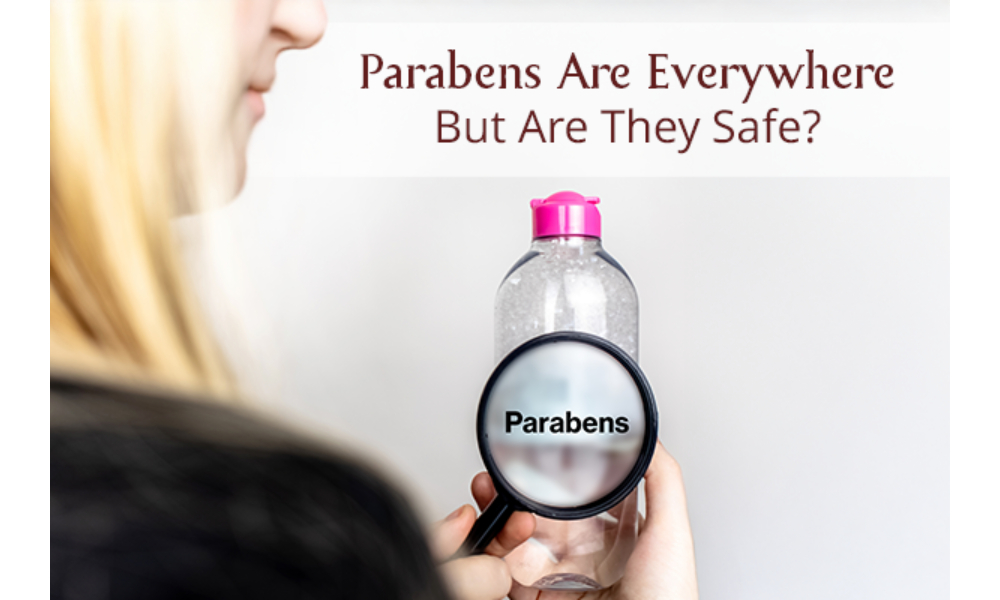
We all want to use safe and gentle products on our skin. But have you ever looked at the ingredients and wondered if they’re really good for you? One ingredient found in many creams, lotions, and shampoos is parabens.
Parabens help products last longer, but some people worry they might not be so safe—especially if used for a long time. If you’re trying to take better care of your skin or just want to know what’s in your products, this blog will help.
Let’s look at the possible side effects of parabens and why more people are choosing to avoid them.
What Are Parabens?
Parabens are a group of chemicals found in many beauty and skincare products to make them last longer. Parabens are preservatives, which prevent bad bacteria and mould from growing inside the product. This safeguards the product and also its consumers.
Some of the most popular parabens you’ll find listed on product ingredients are methylparaben, propylparaben, butylparaben and ethylparaben.
Most items consist of more than one paraben and can also be mixed with other preservatives for extra defence against germs.
Side Effects Of Parabens
While parabens help keep products fresh and free from germs, more and more research is raising concerns about how they might affect our health. To understand why people are becoming more cautious about parabens, let’s explore some of the possible side effects they may cause.
- Hormone Disruption: Parabens can disrupt the body’s hormones by imitating oestrogen, which is a hormone that helps guide numerous processes in the body. If the body gets too much of the parabens, they are capable of driving the hormone system crazy and sending distorted signals. This can lead to complications like early puberty, infertility, or other hormone-related disorders. A bit of research has shown that too much exposure to parabens—especially over extended periods of time—may be harmful, especially to children and pregnant women.
- Skin Irritation and Allergies: Parabens may be the cause of triggering or intensifying allergic conditions like eczema, asthma, and hay fever. Parabens can interfere with the sensitivity of the skin, especially in people who already have weak or compromised skin. Once they pass through the skin or are applied in undue amounts, parabens may tip the immune system balance off and induce stronger allergic reactions. This can bring on eczema attacks or enhance symptoms like sneezing, itchiness, or breathing difficulties in individuals who have allergies.
- Environmental & Long-Term Concerns: Parabens don’t break down easily in the environment. They are washed off from our bodies and end up in water systems, where they can stay for a long time. Over time, they build up in soil, water, and even in wildlife. Studies show that parabens can affect fish and other animals by interfering with their hormones, similar to how they may affect humans. Because of this, long-term exposure to parabens in the environment could harm ecosystems and possibly return to humans through food or water. The more we use products with parabens, the more they can collect in nature, raising concerns for both environmental and human health in the future.
What Kinds Of Products Contain Parabens?
Parabens are found in many everyday products, including cosmetics, some foods, and medicines. In cosmetics, they are often used in things like makeup, moisturisers, shampoos, conditioners, and shaving creams. Most deodorants today don’t have parabens, but a few still might.
When you buy cosmetics in a store or online, the ingredients must be listed on the label. This helps you check if the product has anything you want to avoid. Parabens are usually easy to spot because their names often end in “-paraben,” like methylparaben, propylparaben, butylparaben, or ethylparaben.
Conclusion
It’s easy to overlook what goes into the products we use every day, but sometimes, taking a closer look can make a big difference. When it comes to parabens, it’s not just about what they do for a product—it’s also about how they might affect us. Being mindful of what we apply to our skin or use on a regular basis is just one small way we can care for ourselves better. You don’t have to make big changes all at once, but a little awareness can go a long way in making more thoughtful choices for you and your family.
 Maintaining health