
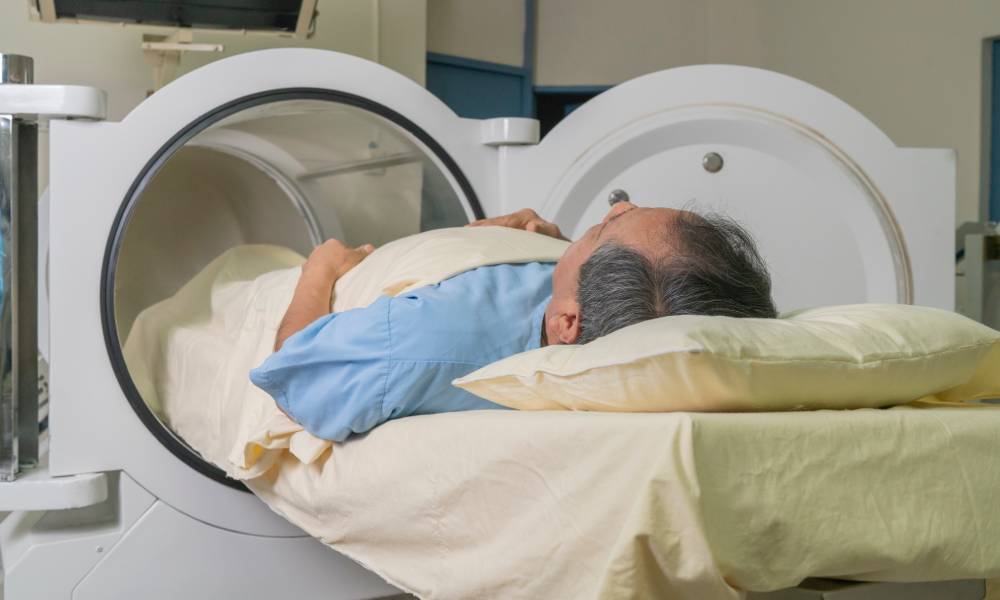
Imagine healing a stubborn wound—not with another pill or cream, but with something as simple and powerful as oxygen. That’s the core idea behind Hyperbaric Oxygen Therapy treatment (HBOT), a treatment that’s gaining momentum in both traditional and integrative medicine circles for its ability to accelerate healing in hard-to-treat wounds.
But how does it work, and who can benefit most from it? Let’s dive in.
How HBOT Supports Wound Healing
At its core, HBOT involves breathing 100% pure oxygen in a pressurised chamber. This environment allows your lungs to take in significantly more oxygen than normal air, and that extra oxygen gets dissolved into your bloodstream—reaching tissues that may otherwise be starved for it.
So, why does this matter for wounds?
Oxygen is essential for:
- Cellular repair
- Fighting infection
- Forming new blood vessels (angiogenesis)
- Reducing inflammation
In chronic or non-healing wounds, there’s often reduced blood flow and oxygen delivery. Booking hyperbaric oxygen therapy delivers oxygen directly to these compromised tissues, kick-starting the body’s natural healing processes.
The Science in Action
Several studies have shown that HBOT:
- Stimulates the release of growth factors and stem cells
- Enhances the function of white blood cells, helping fight infection
- Increases collagen production and capillary growth
- Reduces swelling and tissue death
This makes it especially effective for wounds that are:
- Chronic
- Infected
- Ischemic (poor blood flow)
- Post-surgical or traumatic
Who Can Benefit from HBOT for Wound Healing?
HBOT is FDA-approved for several wound-related conditions. Here’s a closer look at the types of patients who might benefit most:
1. Diabetic Foot Ulcers
These are notoriously slow to heal and can lead to serious complications—even amputation. HBOT has been shown to reduce the need for surgical interventions in many diabetic patients.
2. Radiation-Induced Wounds
After cancer treatment, tissues can become damaged and oxygen-deprived. HBOT helps restore circulation and promotes healing in these irradiated areas.
3. Non-Healing Surgical Wounds
Sometimes incisions don’t close as expected. HBOT can be used to enhance recovery post-surgery, especially in high-risk patients.
4. Crush Injuries and Skin Grafts
HBOT improves oxygenation in traumatised tissues and supports graft survival and integration.
5. Infected Wounds (Including Necrotizing Infections)
Because HBOT boosts immune function and helps antibiotics work more effectively, it’s a critical tool in managing severe infections.
What Patients Say
Many patients report:
- Faster healing
- Less pain and swelling
- Improved mobility and quality of life
Plus, it’s non-invasive and often used alongside standard wound care for enhanced results.
Is HBOT Right for You?
While HBOT is powerful, it’s not a one-size-fits-all solution. It’s best suited for people who:
- Have a wound that hasn’t healed in 30+ days
- Are dealing with complications from diabetes or radiation
- Have exhausted traditional wound care options
A proper evaluation from a wound care specialist or hyperbaric physician can determine if you’re a good candidate.
The Bottom Line
When it comes to wound healing, oxygen is more than just air—it’s medicine. HBOT taps into the body’s natural healing abilities by giving it the oxygen it needs to thrive. Whether you’re struggling with a diabetic ulcer, recovering from surgery, or managing a stubborn wound, hyperbaric therapy could be a game-changer.
If you’re curious about whether HBOT might help you or a loved one, consult a clinic or provider who specialises in advanced wound care and hyperbaric medicine.
 Maintaining health