
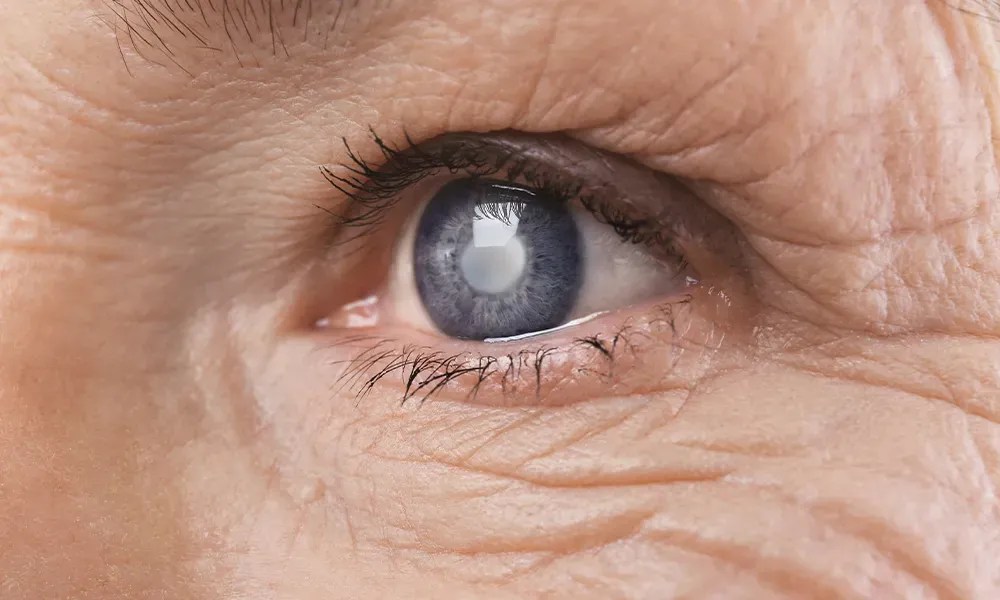
Recognizing the symptoms of optic neuritis is vital for early diagnosis and treatment. This condition, caused by inflammation of the optic nerve, can significantly impact vision and may be associated with underlying conditions like multiple sclerosis. Optic Neuritis, (เส้นประสาทตาอักเสบ, which is the term in Thai) often presents with distinctive symptoms that can alert individuals to seek medical attention promptly. By understanding these key indicators, you can take proactive steps to protect your vision.
Let us discuss five common symptoms of optic neuritis and how to recognize them for timely care.
Pain When Moving The Eyes
One of the earliest and most common signs of optic neuritis is eye pain, particularly when moving the eyes. This discomfort is caused by inflammation in the optic nerve, which becomes sensitive to motion. The pain may be mild or severe and is typically most noticeable during eye movements in any direction.
Loss Of Vision In One Eye

Vision loss in one eye is another hallmark symptom of optic neuritis. This loss can range from mild blurriness to complete blindness in the affected eye. It usually develops over several hours or days. This symptom occurs because the inflamed optic nerve struggles to transmit visual signals effectively to the brain. While the vision loss is often temporary, it requires medical attention to address the underlying cause.
Seeing Flashes Of Light
Flashes of light, also known as photopsias, are another common symptom of optic neuritis. These flashes may appear as bright spots, streaks, or flickers of light and are more noticeable in low-light environments. This occurs due to irritation or abnormal firing of the optic nerve, disrupting normal visual processing.
Black Spot In The Center Of Vision
A central scotoma, or black spot in the center of the visual field, is a frequent complaint in individuals with optic neuritis. This dark or blurry area can make it difficult to focus on objects directly in front of you, such as text or faces. This symptom arises from damage to the portion of the optic nerve responsible for central vision.
Loss Of Side Vision
Optic neuritis can also lead to peripheral vision loss, affecting your ability to see objects at the edges of your visual field. This can make activities like driving or navigating crowded spaces challenging and dangerous.
To Sum Up
If you notice these symptoms, seek medical advice promptly. Early diagnosis and treatment of optic neuritis can prevent complications and preserve your vision.
 Maintaining health