
Good nutrition is a linchpin of healthy aging. It is unfortunate that it’s often overlooked among the more obvious challenges of growing older. Dietary needs evolve significantly with age, requiring adjustments to preserve vitality and address specific health concerns. By paying attention to what’s on the plate, older adults can enjoy improved strength, sharper minds, and a richer quality of life.
Hydration: The Foundation of Health
Hydration is critical for older adults, though its importance is easy to ignore as well. Thirst signals naturally weaken with age, leaving many unknowingly dehydrated. The consequences can range from fatigue to dizziness and even cognitive fog. Water remains the gold standard for hydration, but alternatives such as herbal teas or nutrient-rich broths also contribute. Foods like cucumbers, melons, and oranges can provide a hydrating boost for those who prefer to “eat” their fluids.
Protein: Supporting Strength and Repair
Protein is the most important nutrient for aging gracefully, playing a key role in preventing the natural muscle loss that accompanies later life. Lean meats, fish, eggs, and plant-based options like beans and tofu provide the necessary fuel for muscle maintenance. For older adults with a reduced appetite, smaller but frequent servings—like a slice of cheese or a scoop of cottage cheese—can help meet daily protein requirements without overwhelming the digestive system. Pairing protein intake with regular, gentle exercise enhances its effectiveness.
Healthy Fats: Promoting Heart and Brain Health
Not all fats are created equal. Omega-3 fatty acids, found in salmon, walnuts, and flaxseeds, offer anti-inflammatory benefits while supporting cognitive health. They’ve been linked to better heart function and reduced joint discomfort, making them indispensable in later years. At the same time, it’s wise to steer clear of trans fats, often found in packaged snacks and baked goods, which provide little beyond empty calories and increased cardiovascular risk.
Bone Health: Calcium and Vitamin D
Bone density diminishes with age, and the risk of fractures climbs. Calcium is crucial to counteract this trend. Dairy products, fortified almond or soy milk, and leafy greens are excellent dietary sources. Equally important is Vitamin D, which facilitates calcium absorption. A few minutes of sun exposure each day can often suffice, though fortified foods and supplements are effective alternatives for those living in less sunny climates.
B Vitamins: Energy and Brain Function
B vitamins, particularly B6, B12, and folate, become harder to absorb as the body ages, but their role in maintaining energy levels and cognitive sharpness remains paramount. Eggs, whole grains, and fortified cereals are practical sources, though supplementation may be necessary in cases of severe deficiency. A routine blood test can reveal whether additional support is needed.
Reducing Sugar While Maintaining Enjoyment
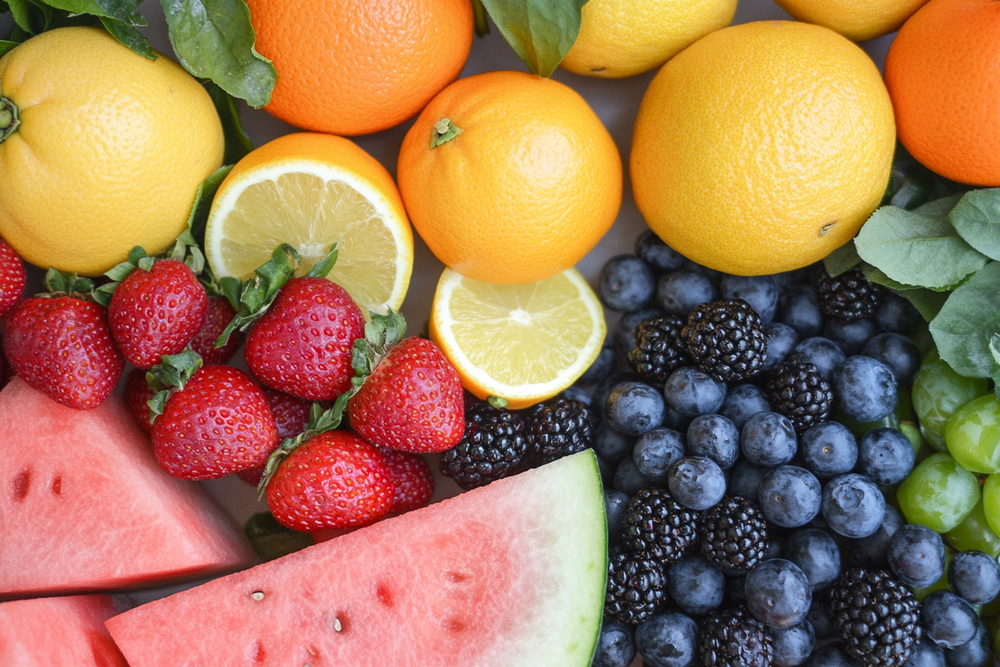
Excess sugar isn’t just a threat to waistlines; it also contributes to inflammation and energy crashes. However, cutting back doesn’t mean sacrificing enjoyment. Naturally sweet fruits like pears, apples, and berries can satisfy cravings while providing vitamins and fiber. Spices such as cinnamon or nutmeg can add depth to dishes without relying on sugar.
Flavor Without Excess Salt
With diminished taste buds, older adults often reach for the salt shaker to compensate, potentially worsening conditions like hypertension. A better approach is to turn to herbs and spices, which not only enhance flavor but also offer health benefits. Garlic, basil, and turmeric can transform meals while contributing anti-inflammatory properties. Even a squeeze of lemon or a splash of vinegar can brighten a dish and eliminate the need for added sodium.
Adapting to Smaller Appetites
For some older adults, smaller appetites pose a significant challenge. Traditional three-course meals may feel unmanageable. Instead, smaller, nutrient-dense meals throughout the day can maintain energy without overloading the stomach. Smoothies, soups, and stews—packed with vegetables, lean proteins, and healthy fats—are easy to prepare, digest, and customize. Snacks like nuts, boiled eggs, or yogurt can fill gaps between meals.
The Social and Emotional Aspect of Eating
Food is as much about connection as it is about sustenance. Sharing meals with others—whether through family dinners, community programs, or casual gatherings—can provide emotional support and combat loneliness. Studies even suggest that eating in a relaxed, social setting may enhance digestion and nutrient absorption. For older adults living alone, making meal preparation a shared activity with friends or neighbors can turn an otherwise mundane task into an opportunity for joy and companionship.
 Maintaining health