
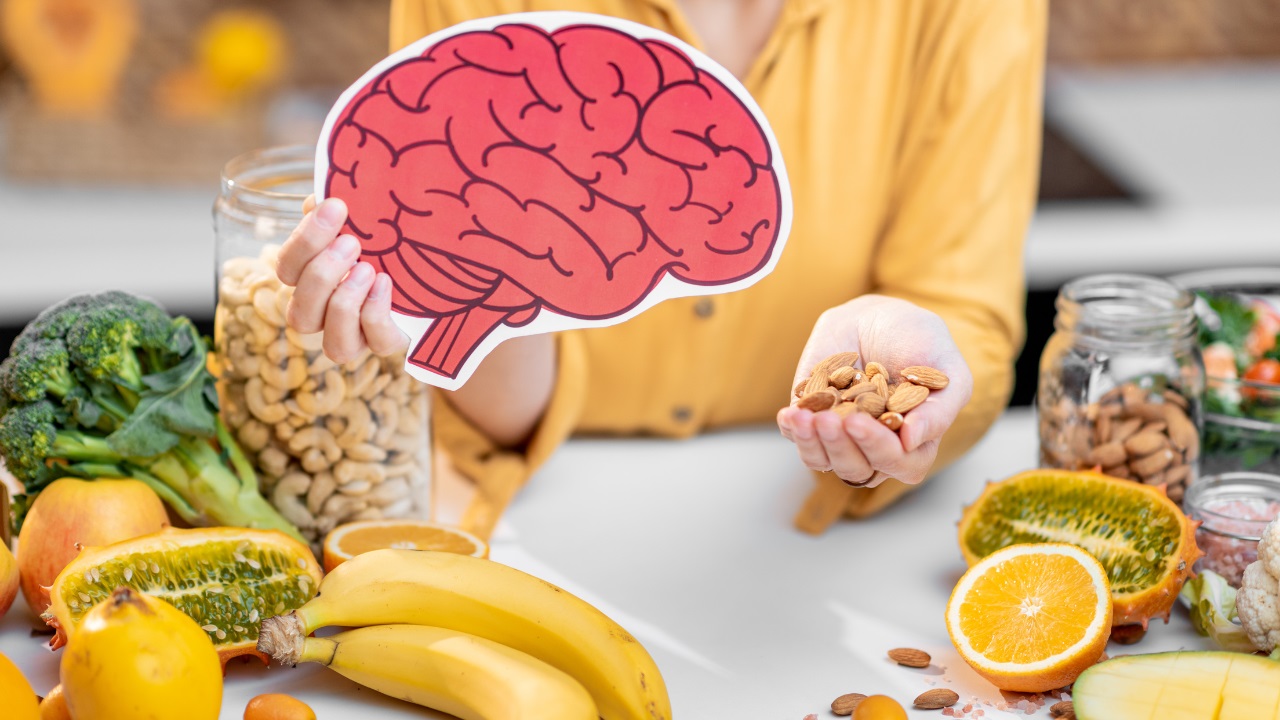
In the fast-paced world of business professionals, maintaining optimal health is essential to performing at your best. Digestive health, often overlooked, plays a pivotal role in overall well-being. From regulating energy levels to supporting mental clarity, the state of your gut impacts how you feel and function daily. Proper nutrition is a cornerstone of digestive wellness, offering a practical and proactive way to maintain balance and vitality.
How Dietary Choices Affect Digestive Health
Your digestive system is a complex network that breaks down food into nutrients, supports immune function and maintains a healthy balance of microorganisms in the gut, known as the microbiome. However, poor dietary habits can disrupt this intricate system.
Highly processed foods, excessive sugar, and unhealthy fats can lead to inflammation, alter the gut microbiome, and contribute to common digestive issues such as bloating, constipation, or acid reflux. Over time, these disruptions may escalate to more chronic conditions like irritable bowel syndrome (IBS) or small intestinal bacterial overgrowth (SIBO).
In contrast, a nutrient-dense diet promotes a healthy microbiome and enhances digestive function. Making deliberate food choices can help reduce inflammation, support proper digestion, and fortify the gut barrier—a critical line of defense that prevents harmful substances from entering the bloodstream.
Foods That Promote Gut Health
Incorporating specific foods into your diet can significantly boost digestive wellness. Here are some evidence-backed options:
1. Fiber-Rich Foods
Fiber is essential for digestive health as it promotes regular bowel movements and feeds beneficial gut bacteria. Include a mix of soluble fiber (found in oats, beans, and apples) and insoluble fiber (present in whole grains, nuts, and vegetables). Together, these support gut motility and microbiome diversity.
2. Fermented Foods
Foods like yogurt, kefir, sauerkraut, kimchi, and kombucha are rich in probiotics—live microorganisms that replenish and balance the gut microbiome. Regular consumption of fermented foods can improve digestion, enhance nutrient absorption, and even reduce symptoms of gastrointestinal distress.
3. Prebiotic Foods
Prebiotics act as fuel for probiotics, helping beneficial bacteria thrive. Bananas, asparagus, garlic, onions, and Jerusalem artichokes are excellent sources of prebiotics that support gut health.
4. Omega-3 Fatty Acids
Fatty fish such as salmon, mackerel, and sardines contain omega-3 fatty acids, which reduce gut inflammation and support a healthy gut lining. Plant-based sources like flaxseeds and walnuts are also beneficial.
5. Hydrating Foods and Fluids
Proper hydration ensures smooth digestion and prevents constipation. Incorporate water-rich foods like cucumbers, celery, and watermelon alongside adequate water intake throughout the day. Herbal teas, such as ginger or peppermint tea, can further aid digestion.
Lifestyle Strategies for a Healthy Gut
While nutrition is fundamental, a few additional lifestyle habits can support digestive health:
- Eat Mindfully: Eating slowly and chewing thoroughly can improve digestion by giving enzymes adequate time to break down food.
- Manage Stress: Chronic stress negatively impacts gut health by altering the microbiome and slowing digestion. Consider stress-management practices like deep breathing, yoga, or regular exercise.
- Get Enough Sleep: Poor sleep can disrupt gut bacteria and impair digestion, so aim for 7–9 hours of quality rest each night.
How to Address Digestive Imbalances
Sometimes, despite making healthy choices, you may experience digestive discomfort or imbalances. This can occur due to various factors, including antibiotic use, illness, or prolonged dietary habits that harm the gut. For many, understanding how to reset your gut can be a useful step in regaining balance.
Resetting the gut typically involves short-term dietary and lifestyle adjustments designed to reduce inflammation, restore beneficial bacteria, and support the gut lining. This might include temporarily eliminating common irritants like gluten, dairy, or processed sugars and focusing on whole, easily digestible foods. Reintroducing probiotics and prebiotics gradually can help rebuild a thriving gut microbiome.
Additionally, consulting with a digestive health professional can provide tailored guidance, ensuring you address the root cause of your discomfort effectively.
Building a Gut-Healthy Routine
For busy professionals, consistency is key. Start with small, sustainable changes that fit your lifestyle:
- Plan Ahead: Prepare balanced meals in advance to avoid resorting to fast food or processed snacks.
- Snack Smart: Keep gut-friendly snacks on hand, such as mixed nuts, yogurt, or fresh fruit.
- Stay Active: Regular physical activity stimulates digestion and contributes to overall health.
- Listen to Your Body: Pay attention to how different foods make you feel and adjust accordingly.
Final Thoughts
Nutrition is a powerful tool for supporting digestive health, offering a pathway to improved energy, focus, and overall well-being. By choosing foods that nourish the gut and adopting mindful habits, you can build a resilient digestive system that works in harmony with your busy lifestyle.
Whether you’re managing occasional discomfort or seeking long-term health optimization, making your gut a priority is an investment in your future productivity and success. With the right approach, you can enjoy the benefits of a healthier, happier digestive system—and thrive in every aspect of your life.
 Maintaining health