
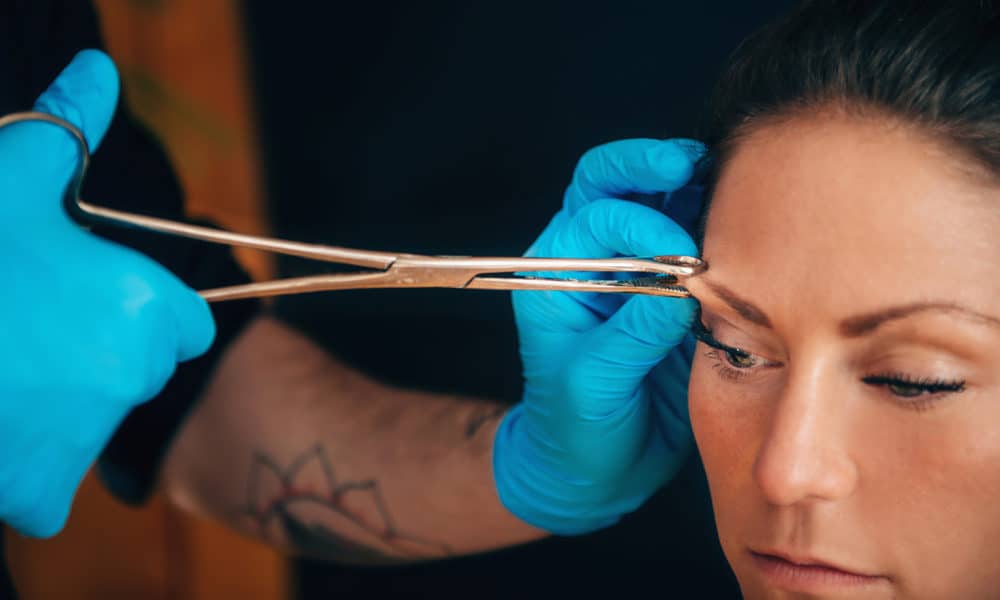
Proper piercing aftercare is crucial for ensuring a smooth healing process and minimizing the risk of complications. Neglecting aftercare can lead to infections, scarring, or even the loss of the piercing. By following the guidelines outlined in this blog post, you can promote a healthy and successful healing experience.
This guide will provide you with valuable information on:
General aftercare tips:
Learn about essential practices like cleaning, avoiding irritants, and recognizing signs of infection.
Specific care instructions:
Discover tailored aftercare advice for different piercing types, including ear, nose, oral, and other areas.
Additional tips:
Gain insights into healing timelines, professional aftercare, and the use of healing products to support your piercing journey.
By understanding and implementing these recommendations, you can confidently care for your piercings and enjoy the beauty and confidence they bring.

General Aftercare Tips
Cleaning:
Frequency:
Clean your piercing at least twice a day, especially during the initial healing stages. For sensitive or delicate piercings, you may need to clean them more frequently.
Cleaning solutions:
Use a saline solution or sea salt soak. Avoid harsh soaps, alcohol, or hydrogen peroxide, as they can irritate the piercing and hinder the healing process.
Technique:
Gently cleanse the piercing with your fingers or a cotton swab. Avoid excessive scrubbing or twisting, as this can damage the tissue and prolong healing.
Avoidance:
Touching:
Minimize unnecessary touching of the piercing to prevent the transfer of bacteria. This includes avoiding picking at scabs or crusts that may form.
Sleeping:
Try to sleep in a way that avoids putting pressure on the piercing. For example, if you have a newly pierced ear, you may want to sleep on your opposite side.
Irritants:
Avoid using harsh soaps, lotions, or perfumes near the piercing. These products can irritate the skin and cause inflammation.
Water:
Limit exposure to swimming pools, hot tubs, or lakes during the healing process. The chlorine or bacteria in these bodies of water can increase the risk of infection.
Signs of Infection:
Redness:
Look for excessive redness or swelling around the piercing. Redness and tenderness can also be a sign of piercing rejection, which is good to catch early as well.
Pain:
Tenderness or pain that doesn’t improve over time.
Drainage:
Pus or fluid discharge from the piercing.
Fever:
A fever may indicate a systemic infection.
If you notice any signs of infection, contact your piercer or a healthcare professional immediately. Early intervention can help prevent complications and ensure a successful healing outcome.
Aftercare for Specific Piercing Types
Ear Piercings
Cartilage piercings:
These piercings can take longer to heal, typically between six months and a year. Extra care is needed to prevent infections and ensure proper healing. Avoid touching or twisting the piercing, and clean it gently with a saline solution.
Lobe piercings:
These piercings generally heal faster than cartilage piercings, often within six to eight weeks. However, it’s still important to keep them clean and avoid twisting or pulling on them.
Nose Piercings
Nasal septum:
Avoid picking at scabs or crusts that form on the piercing. These can interfere with healing and increase the risk of infection. Use a saline solution to clean the piercing and gently rinse it with warm water.
Nostril:
Similar to nasal septum piercings, avoid touching or twisting the piercing. Clean it gently with a saline solution and rinse with warm water.
Oral Piercings
Tongue:
Avoid touching the piercing with your tongue or fingers, as this can irritate the area and prolong healing. Rinse your mouth frequently with a saline solution or a mouthwash recommended by your piercer.
Lip:
Avoid biting or chewing on the piercing. This can cause trauma to the tissue and delay healing. Use a saline solution to clean the piercing and rinse your mouth regularly.
Other Piercings
Navel:
Avoid touching or twisting the piercing, and keep it clean with a saline solution. Be careful when dressing or undressing to avoid snagging the piercing.
Genital:
These piercings can be sensitive and require extra care. Follow your piercer’s specific instructions for cleaning and avoiding irritants.
Eyebrow:
Avoid touching or twisting the piercing, and clean it gently with a saline solution. Be careful when applying makeup or hair products near the piercing.
Remember, these are general guidelines. Your piercer may provide specific instructions based on your individual piercing and healing process. It’s important to follow their advice
Additional Tips
Healing Timelines
Individual variations:
Healing times can vary depending on factors such as age, health, and overall care.
Patience is key:
Allow your piercings sufficient time to heal without rushing the process.
Follow-up:
Schedule follow-up appointments with your piercer to assess healing progress and address any concerns.
Professional Aftercare
Importance of checks:
Regular aftercare checks by your piercer can help identify and address potential issues early on.
Professional advice:
Your piercer can provide personalized advice and recommendations based on your specific piercing and healing needs.
Healing Products
Saline sprays:
These sprays can be a convenient way to clean and soothe your piercings.
Wound care dressings:
For certain piercings, your piercer may recommend using a specific wound care dressing to protect the area and promote healing.
Consult your piercer:
Always consult with your piercer before using any healing products to ensure they are appropriate for your piercing and healing stage.
Proper piercing aftercare is essential for a successful healing process and maintaining healthy, beautiful piercings. By following the guidelines outlined in this blog post, you can minimize the risk of complications and ensure your piercings heal optimally.
Remember to:
- Clean your piercings regularly with a saline solution or sea salt soak.
- Avoid touching or twisting your piercings unnecessarily.
- Be patient and allow your piercings sufficient time to heal.
- Follow your piercer’s advice and schedule regular aftercare checks.
With consistent care and attention, you can enjoy the beauty and confidence that well-maintained piercings bring.
 Maintaining health