
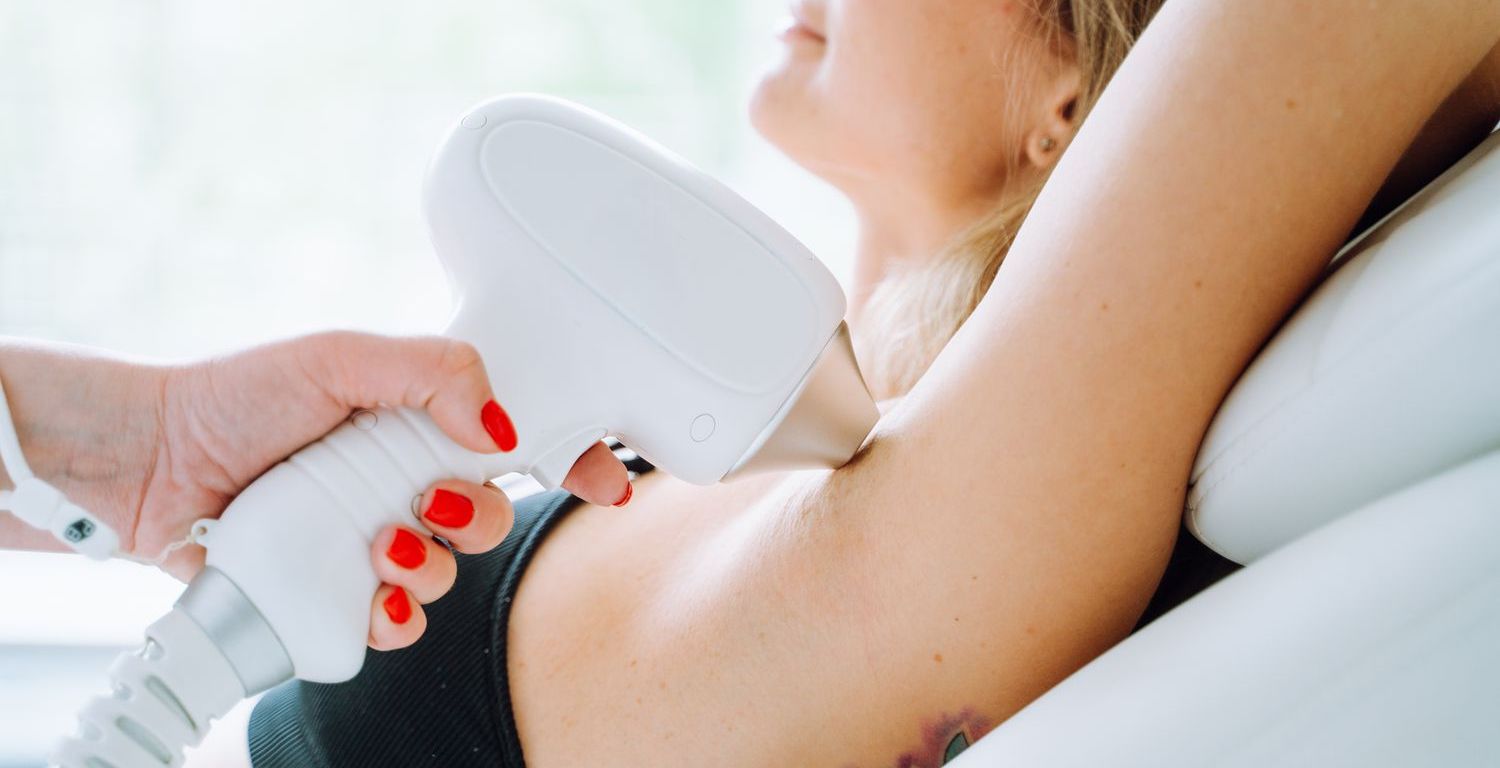
Laser hair removal has emerged as a sought-after solution for those seeking smooth, hair-free skin. Beyond its aesthetic appeal, this procedure can have a significant impact on a person’s body image and self-esteem. For many individuals, unwanted hair can be a source of discomfort, embarrassment, or even shame. The presence of excess hair can often lead to feelings of self-consciousness and negatively affect one’s overall confidence. By reducing or eliminating hair growth, laser hair removal can empower individuals to feel more comfortable and confident in their own bodies. This newfound self-assurance can have a ripple effect on various aspects of life, from personal relationships to professional endeavors.
Body Image and Self-Esteem
Body image refers to how a person perceives their physical appearance. It’s influenced by a complex interplay of factors, including societal expectations, media portrayals, personal experiences, and cultural beliefs. When individuals have a negative body image, they may feel dissatisfied with their bodies, often leading to feelings of low self-esteem and self-worth.
A negative body image can have a significant impact on a person’s mental and emotional well-being. It can lead to anxiety, depression, and even eating disorders. Additionally, it can interfere with daily life, affecting relationships, academic performance, and career aspirations.
The Role of Hair Removal in Body Image
Hair removal has been a common practice throughout history, often influenced by cultural and societal norms. In many cultures, hair removal is associated with beauty, cleanliness, and femininity, leading to societal expectations that can exert significant pressure on individuals to conform to these standards.
For some people, unwanted hair can be a source of embarrassment or discomfort. The presence of excess hair may make them feel self-conscious or stigmatized, particularly in societies where hairlessness is highly valued. This can negatively impact their body image and self-esteem, leading to feelings of shame and low self-worth.
Moreover, the societal emphasis on hair removal can contribute to the objectification and sexualization of women’s bodies. When women are judged primarily on their physical appearance, it can lead to feelings of inadequacy and a constant need to meet unrealistic beauty standards.
Laser Hair Removal and Body Positivity
Laser hair removal can play a significant role in improving body image and self-esteem. By reducing or eliminating unwanted hair, it can help individuals feel more confident and comfortable in their own bodies. This newfound self-assurance can have a positive impact on various aspects of life, including personal relationships, career aspirations, and overall well-being.
When people feel more confident in their appearance, they are more likely to embrace their bodies and appreciate their unique qualities. This can lead to a more positive body image and a greater sense of self-acceptance. Additionally, laser hair removal can provide individuals with a sense of control over their appearance, which can be empowering and liberating.
Common Treatment Areas and Their Impact on Body Positivity
Laser hair removal can be used to treat various areas of the body, each with its own potential impact on body image and self-esteem.
Facial Hair
Impact:
Facial hair can be particularly distressing for women, as it often defies societal beauty standards. Removing facial hair can boost self-confidence and reduce feelings of embarrassment or shame.
Benefits:
Laser hair removal can help individuals feel more comfortable in social situations, improve their self-esteem, and enhance their overall appearance.
Underarms
Impact:
Underarm hair can be a source of discomfort and embarrassment, especially in warm weather. Removing underarm hair can help individuals feel more confident and comfortable in sleeveless clothing.
Benefits:
Laser hair removal can provide a long-lasting solution to unwanted underarm hair, allowing individuals to enjoy greater freedom and comfort.
Legs
Impact:
Leg hair can be a source of self-consciousness, particularly for individuals who prefer a smooth, hair-free appearance. Removing leg hair can help individuals feel more confident and attractive.
Benefits:
Laser hair removal can eliminate the need for shaving or waxing, saving time and reducing the risk of skin irritation.
Addressing Potential Concerns
While laser hair removal can be a transformative experience, it’s important to address potential concerns that may arise. Some individuals may worry that relying on hair removal procedures could lead to a negative body image or a preoccupation with physical appearance.
It’s crucial to remember that the goal of laser hair removal is to enhance self-confidence, not to create a new set of insecurities. It’s important to maintain a healthy balance between self-care and self-acceptance. By focusing on overall well-being, including physical, mental, and emotional health, individuals can develop a positive body image that is not solely dependent on their physical appearance.
If you are struggling with body image issues, it’s important to seek support from a mental health professional or therapist. They can provide guidance and tools to help you develop a positive body image and improve your overall well-being.
Laser hair removal can be a transformative experience, offering individuals a convenient and effective way to reduce or eliminate unwanted hair. Beyond its aesthetic benefits, this procedure can have a profound impact on a person’s body image and self-esteem. By addressing concerns related to hair removal, laser hair removal can empower individuals to feel more confident, comfortable, and accepting of their bodies.
It’s important to remember that true body positivity goes beyond physical appearance. It involves embracing one’s unique qualities, practicing self-compassion, and challenging societal beauty standards. While laser hair removal can be a valuable tool for enhancing self-esteem, it should not be seen as the sole solution to body image issues. By cultivating a positive mindset and seeking support when needed, individuals can develop a healthy and sustainable relationship with their bodies.
 Maintaining health