
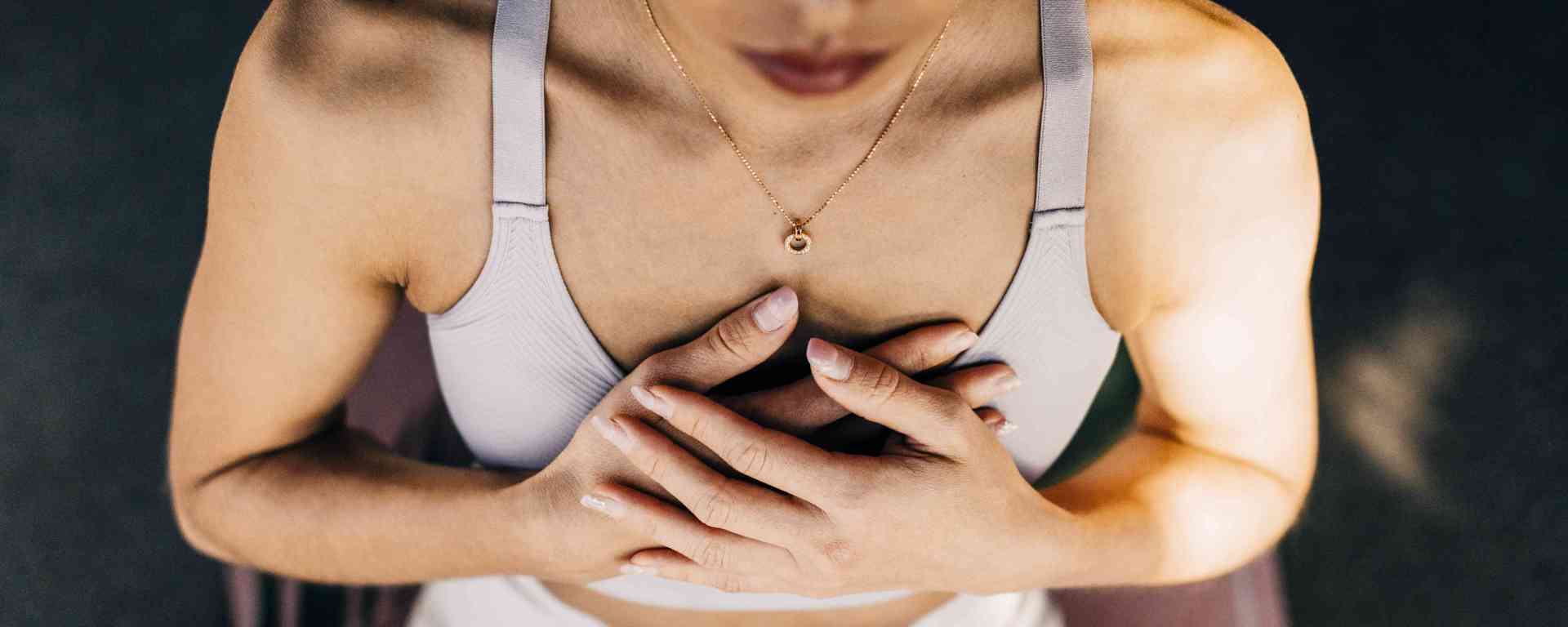
Anxiety can significantly impact your daily life, but incorporating relaxation techniques into your routine can provide relief and improve overall well-being. Whether you’re managing anxiety with medications like Xanax or seeking additional support, these seven relaxation techniques can help you feel more grounded and in control.
1. Deep Breathing Exercises
Deep breathing exercises are a powerful tool for calming anxiety. By focusing on your breath and practicing slow, deep inhales and exhales, you can activate your body’s relaxation response. This technique helps reduce stress and promotes a sense of tranquility. Try practicing deep breathing for a few minutes each day or whenever you feel anxious.
2. Progressive Muscle Relaxation
Progressive muscle relaxation involves tensing and then slowly releasing each muscle group in your body. This technique helps reduce physical tension and promotes relaxation. Start with your toes and work your way up to your head, paying attention to how each muscle feels as you relax it. This method can help alleviate the physical symptoms of anxiety and enhance overall relaxation.
3. Mindfulness Meditation
Mindfulness meditation encourages you to stay present and focused on the current moment, which can help reduce anxiety and stress. By observing your thoughts and feelings without judgment, you can develop a greater sense of calm and control. Incorporate mindfulness meditation into your daily routine to build resilience against anxiety and improve emotional well-being.
4. Guided Imagery
Guided imagery involves visualizing calming and peaceful scenes to promote relaxation and reduce anxiety. By immersing yourself in a mental image of a serene environment, you can create a sense of escape and tranquility. Use guided imagery techniques to help manage anxiety and create a mental space where you can find comfort and calm.
5. Yoga and Stretching
Yoga and stretching exercises offer physical and mental relaxation benefits. The combination of gentle movements, stretching, and deep breathing helps release muscle tension and promotes a sense of well-being. Incorporate yoga or stretching routines into your daily life to help manage anxiety and improve overall physical and mental health.
6. Aromatherapy
Aromatherapy uses essential oils to promote relaxation and reduce anxiety. Scents like lavender, chamomile, and bergamot are known for their calming properties. You can use essential oils in a diffuser, add them to your bath, or apply them topically to experience their soothing effects. Aromatherapy can be a complementary approach to managing anxiety alongside other techniques.
7. Journaling
Journaling provides a therapeutic outlet for expressing and processing your thoughts and feelings. Writing about your experiences and emotions can help you gain clarity and reduce anxiety. Set aside time each day to journal and reflect on your thoughts, challenges, and successes. This practice can enhance your self-awareness and contribute to emotional well-being.
While relaxation techniques can be incredibly effective, they can be even more beneficial when combined with other treatments. Medications like Vyvanse may be prescribed to manage symptoms, particularly if you’re dealing with conditions such as ADHD that impact anxiety levels. Combining these techniques with appropriate medical care can provide a more comprehensive approach to managing anxiety and improving overall quality of life.
Incorporating these relaxation techniques into your routine can help you better manage anxiety and create a sense of calm and balance in your life. Experiment with different methods to find what works best for you and remember to seek support from healthcare professionals when needed.
 Maintaining health