
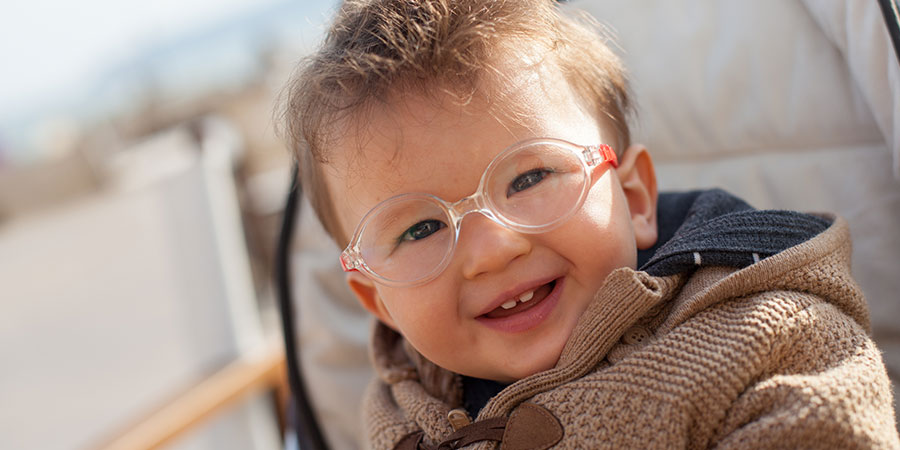
Our eyes are like windows onto the outside world, letting us take in all of its wonder and beauty. But throughout our lives, our vision needs attention and care, just like any other window. Our eyes change and encounter different difficulties as we age, from the first hazy glimpses of infancy to the wise and contemplative gaze of our latter years.
We will take a journey through eye health at various phases of life in this blog post. We will talk about the value of routine eye exams for kids, how to deal with nearsightedness in teenagers, and the ins and outs of reading glasses and adult presbyopia. We will also talk about issues with floaters and when to get help from a specialist.
By fully understanding our vision requirements at each stage of our life, we can take proactive measures to maintain optimal eye health and keep our window to the world clear and bright.
Eye Health in Children: Setting the Stage for a Lifetime of Good Vision
For a young child, the world is a frenzy of exciting sights and colours. They begin to develop their vision as soon as they open their eyes. However, youngsters may not be able to convey if they are having trouble seeing clearly, unlike adults who can communicate vision impairments with ease. Regular eye exams are therefore essential during these developing years.
Early Detection, Optimal Development
According to the American Academy of Ophthalmology, newborns should have a thorough eye exam at six months of age, and then again at three years old. These prenatal screenings can identify potential problems before they impede a child’s visual development, such as strabismus (crossed eyes) or amblyopia (“lazy eye”). For both of these diseases to ensure normal vision function, early intervention is essential.
Common Vision Concerns in Children
When one eye isn’t stimulated enough to acquire normal vision, it results in amblyopia. Amblyopia can cause irreversible visual loss in the affected eye if treatment is not received.
Strabismus:
A condition in which the eyes appear misaligned or crossed due to improper alignment.
Children with nearsightedness, often known as myopia, may squint or hold objects up to their faces in order to see them clearly.
The Value of Continual Testing
Frequent eye exams assist set a baseline for your child’s eyesight in addition to identifying possible issues. Your optometrist can then keep an eye out for any changes and make sure your patient’s eyesight develops normally.
Recall that a child’s ability to study and general wellbeing depend heavily on having healthy vision. Early attention to eye health can pave the way for a lifetime of great vision for your youngsters.
Eye Health in Teenagers and Young Adults: Navigating Screens, Contacts, and Beyond
Our eyes undergo significant development during the adolescent and early adult years. Workloads from school, extracurricular activities, and the constant temptation of digital devices all put special demands on our vision. Let’s examine some important factors to keep in mind in order to preserve eye health throughout this exciting time.
The Dilemma of Digital
Today’s teens and young adults spend a lot of time connected to screens for communication, entertainment, and education—such as tablets, computers, and smartphones. Even while there are many advantages to technology, too much screen time can cause digital eye strain. Telltale indicators include headaches, hazy vision, and eye tiredness.
Taking Care of Digital Eye Strain:
The following useful advice will help prevent digital eye strain and encourage good screen habits:
Every 20 minutes, take a 20-second break from your screen to look at anything 20 feet away, according to the 20-20-20 Rule.
Reduce Screen Brightness and Contrast:
To make watching more pleasant, lower screen brightness and modify contrast.
Get Moving and Take Breaks:
Never undervalue the benefits of taking a break from screens and engaging in some physical activity to help your eyesight.
Increasing Nearsightedness:
Teenagers with myopia, or nearsightedness, are becoming more and more common. This indicates that individuals have good close vision but have trouble focusing on faraway objects. To determine the proper vision correction—whether with glasses or contact lenses—regular eye exams are essential.
Considering Contact Lenses:
Adolescents who choose to use contact lenses need to take great care of them and practice good cleanliness. The risk of eye infections might be raised by improperly cleaning and storing lenses. Make sure your adolescent knows how important it is to adhere to the care guidelines provided by your optometrist for contact lenses.
Beyond the Fundamentals:
Keeping up a healthy lifestyle is also essential for maintaining eye health. Overall eye health can be improved with a diet rich in fruits, vegetables, and omega-3 fatty acids and balanced. Remember the significance of appropriate lighting and posture when using screens for studying or other activities.
Teens and young adults may navigate the digital world safely while preserving their eyesight for the future by making healthy habits a priority and making regular eye checkups a routine.
Eye Health in Adults (30s-50s): Preserving Vision Through Life’s Busy Chapters
You probably have a busy work, a family to support, and an active lifestyle during your 30s and 50s. It’s simple to miss the minute adjustments to your vision while you’re balancing priorities. Now is the critical moment to take care of your eyes and make sure you can see well for the rest of your busy life.
Presbyopia: The Change in Nearsightedness
Most individuals naturally lose some of their capacity to focus on close things around the age of forty. Presbyopia is the term for this age-related nearsightedness state. It becomes normal to hold reading materials at arm’s length or to squint in order to view your phone screen. The good news is that progressive lenses, bifocals, or reading glasses made to fit your needs can readily treat presbyopia.
Keeping Up Good Habits:
Like every other area of your body, your eyes benefit greatly from good habits. The following are some crucial tactics to support the best possible eye health during this time:
Diet:
Consuming a well-balanced diet high in fruits, vegetables, and omega-3 fatty acids will help to prevent age-related eye illnesses by nourishing your eyes.
Sun Protection:
UV radiation has the same potential to harm your eyes as it does your skin. It is imperative that you wear sunglasses that block UVA and UVB radiation to prevent sun damage to your eyes.
Quitting Smoking:
One of the main causes of vision loss, age-related macular degeneration (AMD), is greatly increased by smoking. One of the most crucial things you can do for your general health, including your vision, is to stop smoking.
A Word on Floaters:
Floaters are those little things that occasionally drift across your vision, resembling cobwebs. A rapid increase in floaters or flashes of light can occasionally signal a more serious problem, even though they’re usually harmless and the result of normal changes in the vitreous gel inside your eye. To learn more about floaters, read the blog: How Long Do Floaters in the Eye Last? From our friends at New Optical Palace in Kitchener, Ontario.
When to Consult an Optometrist
If you notice any noticeable changes in your vision, such as an increase in floaters, fuzzy vision, or trouble seeing at night, don’t wait to make an appointment for an eye test. Managing possible eye problems like glaucoma or cataracts requires early detection and treatment.
Recall that setting aside time for routine eye exams throughout your 30s and 50s enables your optometrist to check your vision, handle any issues, and provide you with the resources you need to keep clear vision for years to come.
Eye Health in Seniors (50+ years old): Navigating Aging Eyes with Confidence
Our 50s are a dynamic decade that is frequently brimming with experiences and newly discovered liberties. But our bodies naturally undergo changes during this time, including changes to our vision. Here’s how to maintain your ability to see well as you age and manage your eye health.
Elevated Danger of Ocular Conditions:
The likelihood of getting certain eye conditions such cataracts and age-related macular degeneration (AMD) rises with age. The macula, the middle region of the retina that provides clear central vision, is impacted by AMD. When you have cataracts, your eye’s lens becomes clouded, making it difficult to see well even at night.
The Key is Early Detection:
The good news is that if caught early, AMD and cataracts may both frequently be properly treated. It is essential to get routine eye exams to detect these diseases early on. Your optometrist will conduct a thorough examination during these visits, which will include a dilated eye exam to check for AMD symptoms in the retina.
Pay Attention to Warning Signs:
Notice if your vision changes in any way, including:
Hazy vision, particularly in the centre
Having trouble seeing at night or in dim light
Distorted eyesight, making straight lines look wavy
An increase in floaters or abrupt shifts in their presence
Make an immediate appointment with your optometrist if any of these symptoms occur. Early intervention can have a substantial effect on the result and possibly slow the progression of these eye diseases.
Maintaining Optimal Eye Health:
Even though aging-related changes are unavoidable, you can take the following actions to support the best possible eye health:
Plan Frequent Eye Exams:
Try to schedule eye exams once a year, or more often if your optometrist suggests it.
Sustain a Healthy Way of Life:
Consume a well-rounded diet high in antioxidants, and remember to wear UVA and UVB-blocking sunglasses.
Handle Underlying disorders:
Proper management of diabetes and high blood pressure is essential if you have these disorders, as they can raise your chance of developing eye issues.
Making eye health a priority and getting help from a specialist when necessary will help you live a lifetime of clear vision and confidently manage age-related vision changes.
Throughout life, we are able to appreciate the wonder and beauty around us because our eyes are priceless windows into the world. Our visual demands change and adjust with time, from a child’s inquisitive first glances to an elderly person’s wise and perceptive stare.
Being mindful of your eye health and taking preventative care are essential. For the best possible vision development and early detection of any issues, routine eye exams are crucial, beginning at a young age. Knowing the particular difficulties each period of life presents enables us to take proactive steps. Examples of these stages are the digital demands of adolescence and the heightened risk of age-related ailments in older adults.
We may empower ourselves to protect our eyesight by prioritizing regular eye checkups and choosing healthy choices like a balanced diet and sun protection. Recall that investing in lifelong eye care is an investment in having good vision and living life to the fullest.
 Maintaining health