
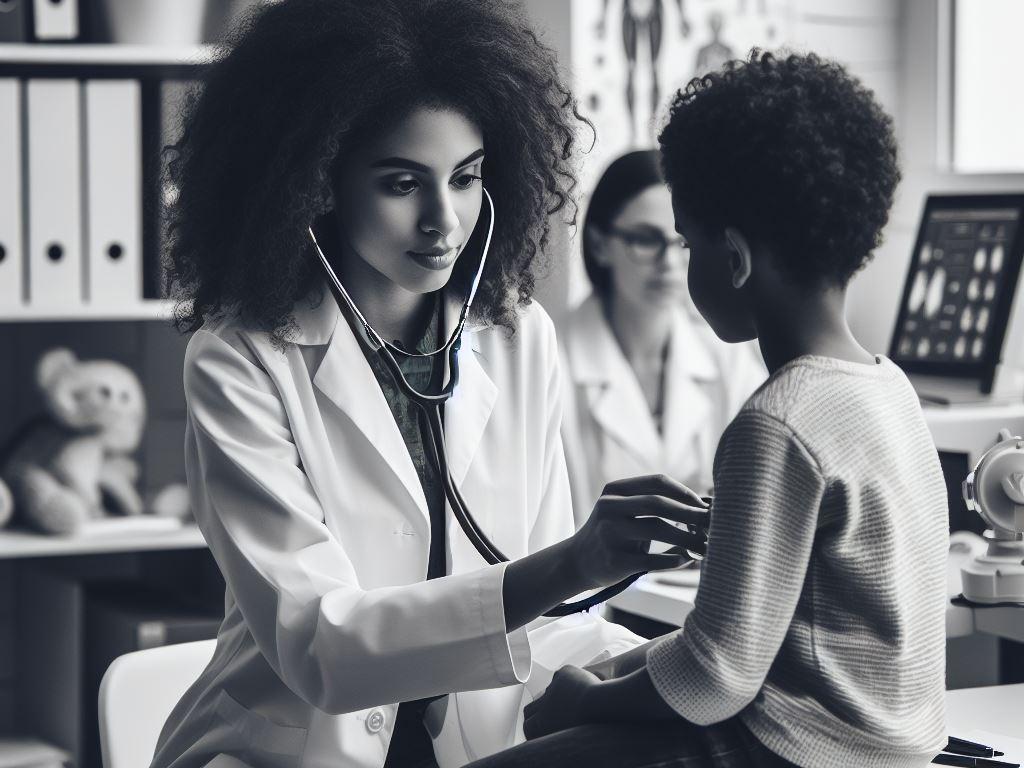
In moments of crisis, the ability to provide immediate assistance, means the difference between life and death. Knowing to administer first aid can be invaluable, whether for a minor injury or a life-threatening situation. First aid is not just a set of skills; it’s a crucial form of empowerment that equips individuals with the ability to act swiftly and effectively during emergencies. This article will highlight the significance of learning first aid and how it can empower individuals to save lives.
Understanding First Aid:
First aid refers to the initial assistance or treatment given to someone injured or suddenly ill before professional medical help arrives. It encompasses a range of simple techniques and procedures designed to preserve life, prevent the condition from worsening, and promote recovery. While first aid does not replace professional medical care, it plays a critical role in bridging the gap between the arrival of trained medical personnel and the occurrence of an emergency.
The Significance of Learning First Aid:
1. Immediate Response:
One of the most significant advantages of knowing first aid is the ability to provide immediate assistance in emergencies. Whether it’s administering CPR to someone experiencing cardiac arrest or controlling bleeding from a wound, the prompt application of first aid measures can significantly improve outcomes. Seconds count in emergencies, and individuals trained in first aid are equipped to take action swiftly, potentially saving precious time and lives.
2. Prevention of Further Injury:
In many emergency scenarios, the victim’s condition can deteriorate rapidly without proper intervention. Knowing first aid enables individuals to stabilize the injured person and prevent further harm. For example, immobilizing a fractured limb or applying pressure to a bleeding wound can help minimize additional injuries and complications until professional medical help arrives.
3. Increased Confidence and Preparedness:
Learning first aid instills confidence and preparedness in individuals to handle emergency situations effectively. Knowing that you have the skills and knowledge to provide assistance in times of need can alleviate feelings of helplessness and panic. Confidence in one’s ability to respond appropriately can also positively influence the outcome of the emergency by facilitating calm and decisive action.
4. Community Resilience:
Communities benefit immensely when a significant portion of the population is trained in first aid. In the event of accidents, mass casualty incidents, or natural disasters, qualified individuals can step forward as first responders, augmenting the efforts of professional emergency services. By disseminating first aid training widely within communities, we can enhance overall resilience and readiness to cope with emergencies locally.
5. Workplace Safety:
Workplace accidents and medical emergencies can occur anywhere, from offices to construction sites. Employers are responsible for their employees’ safety and well-being, including providing access to first aid training. Employees trained in first aid can respond effectively to workplace injuries or medical emergencies, minimizing the severity of injuries and facilitating a faster recovery process—for example, first aid for a chemical splash in an eye.
6. Personal and Family Safety:
Learning first aid is beneficial not just in public settings but also crucial for personal and family safety. Accidents can happen at home, during outdoor activities, or while traveling. Knowing first aid enables individuals to respond promptly to injuries or medical emergencies affecting themselves or their loved ones. First aid skills are invaluable in everyday life, from treating minor cuts and burns to recognizing the signs of a heart attack.
7. Fulfilling Legal and Ethical Responsibilities:
In some jurisdictions, specific individuals or organizations are legally obliged to have trained first aiders on-site. This is particularly relevant for businesses, schools, sports clubs, and public events with a higher risk of accidents or injuries. By fulfilling these legal requirements and providing adequate first-aid training, organizations demonstrate their commitment to safety and welfare standards.
Conclusion:
In conclusion, learning first aid is not just a practical skill; it’s a form of empowerment that enables individuals to take proactive steps to save lives and minimize the emergency’s impact. From providing immediate assistance to preventing further injury and promoting recovery, first aid is vital in preserving life and promoting community well-being. Investing in first aid education and training can create safer environments, enhance community resilience, and empower individuals to respond with confidence and competently to emergencies.
 Maintaining health