
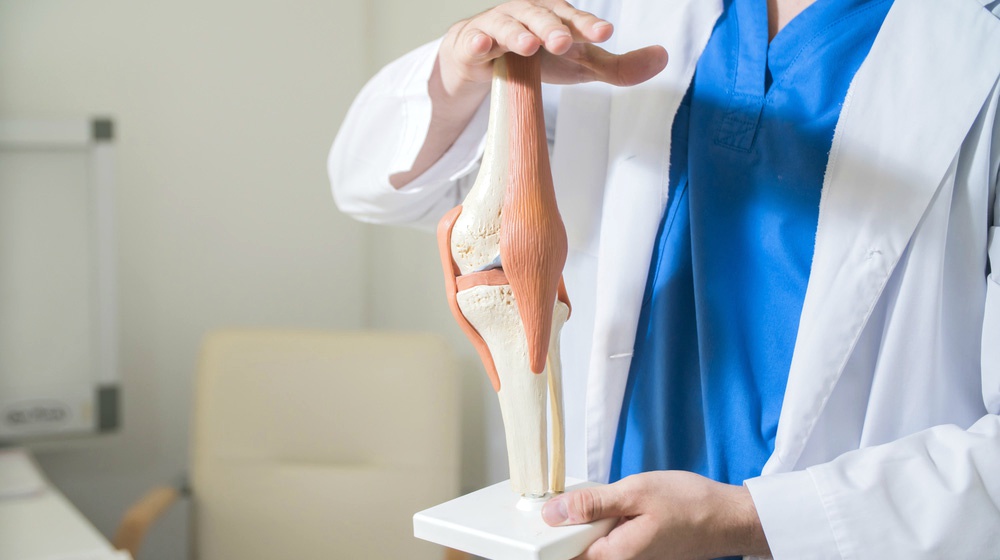
In the ever-evolving landscape of medical science, one of the most exciting advancements is the use of regenerative stem cell treatment for joint pain. This groundbreaking approach has not only opened new doors for managing joint pain but also revolutionised the way we perceive the body’s healing capabilities. In this article, we’ll delve into the intricacies of this treatment, its benefits, challenges, and what the future holds.
Understanding Joint Pain and Traditional Treatments
Joint pain affects millions globally, significantly impacting quality of life. Commonly resulting from arthritis, injury, or age-related wear and tear, it manifests as discomfort, pain, and inflammation in joints like knees, hips, and shoulders. Traditional treatments range from painkillers and anti-inflammatory drugs to physical therapy and, in severe cases, joint replacement surgery. While effective, these methods often offer temporary relief and carry risks like medication side effects or surgical complications.
What is Stem Cell Therapy?
Stem cell therapy represents a paradigm shift in treating joint pain. Stem cells are the body’s raw materials from which all other cells with specialised functions are generated. Under the right conditions, they can divide to form more cells called daughter cells. These daughter cells either become new stem cells (self-renewal) or specialised cells (differentiation) with a more specific function, like bone, blood, brain, or heart muscle cells.
In regenerative medicine, stem cells are harnessed to repair diseased, dysfunctional, or injured tissue. For joint pain, this usually involves injecting stem cells into the affected joint, promoting healing and tissue regeneration.
The Science Behind Stem Cell Treatment for Joints
The rationale for using stem cells in joint treatment lies in their ability to develop into different types of cells needed for joint repair and regeneration. They can reduce inflammation, slow down degenerative processes, and produce proteins and other substances necessary for healthy joint function.
The most common types of stem cells used are:
Autologous Adult Stem Cells: Harvested from the patient’s body, like bone marrow or fat tissue.
Allogeneic Adult Stem Cells: Sourced from a donor and used in patients where autologous stem cells are not viable.
Benefits of Stem Cell Treatment for Joint Pain
- Natural and Minimally Invasive: Unlike surgeries, stem cell therapy is less invasive, uses the body’s cells, and has fewer risks and side effects.
- Reduced Pain and Inflammation: Patients often report a significant reduction in pain and inflammation post-treatment.
- Increased Mobility and Quality of Life: Improved joint function translates to better mobility and overall life quality.
- Potential to Slow Down Degenerative Changes: Stem cells can potentially slow the progression of degenerative joint diseases.
- Challenges and Considerations
Despite its promise, stem cell therapy is not without challenges:
- Regulatory and Ethical Concerns: The use of stem cells, especially embryonic stem cells, raises ethical issues. Regulations vary by country, impacting the availability and scope of treatment.
- Cost and Accessibility: Currently, stem cell treatments can be expensive and not universally accessible.
- Limited Long-Term Data: More long-term studies are needed to fully understand the efficacy and safety of this therapy.
The Future of Stem Cell Therapy for Joint Pain
The future of stem cell treatment in joint pain is promising, with ongoing research focusing on enhancing the efficacy and safety of these therapies. Advances in biotechnology could make treatments more accessible and affordable. Collaboration between researchers, clinicians, and regulatory bodies is vital for the responsible development of this field.
Conclusion
Regenerative stem cell treatment for joint pain stands as a beacon of hope for those suffering from debilitating joint conditions. While it’s not a panacea, its potential to harness the body’s healing mechanisms offers a novel approach to pain management and tissue regeneration. As research advances, we can expect more refined, effective, and accessible treatments, heralding a new era in joint pain management.
In summary, the marvels of regenerative stem cell treatment for joint pain are a testament to the incredible strides we’ve made in medical science. It’s a field that not only offers relief to millions suffering from joint pain but also embodies the broader potential of regenerative medicine in treating a range of conditions. With continued research, ethical considerations, and patient-centred approaches, stem cell therapy can significantly contribute to the realms of healing and rehabilitation.
 Maintaining health