

As technology continues to advance, its impact on various industries, including healthcare, cannot be ignored. General surgery is a field that has seen significant changes in recent years due to technological advancements. Many of these changes have positively impacted patient outcomes, making surgeries more efficient, less invasive, and safer. In this article, we will explore the role of technology in general surgery and how it has transformed the field.
Robotic Surgery
Robotic surgery is a type of minimally invasive surgery that allows surgeons to perform procedures with greater precision and accuracy. This technology uses robotic arms controlled by a surgeon to perform intricate movements with greater dexterity than a human hand. The surgeon sits at a console and views a 3D image of the surgical site, allowing for greater visualization and control. Robotic surgery has been used for a variety of procedures, including prostatectomies, hysterectomies, and colorectal surgeries. The benefits of robotic surgery include less bleeding, shorter hospital stays, and quicker recovery times for patients.
Laparoscopic Surgery
Laparoscopic surgery is a minimally invasive technique that uses small incisions and specialized tools to perform surgeries. This type of surgery has been used for decades, but technological advancements have improved the quality of visualization and precision of the tools used. Surgeons use a specialized camera called a laparoscope to view the surgical site and perform the procedure. The benefits of laparoscopic surgery include less scarring, reduced pain, and faster recovery times.
Image-Guided Surgery
Image-guided surgery uses imaging technology, such as X-rays, CT scans, and MRI scans, to guide surgical procedures. This technology allows surgeons to visualize the surgical site in real-time and make precise adjustments during the procedure. Image-guided surgery has been used for a variety of procedures, including neurosurgery, orthopedic surgery, and cancer surgery. The benefits of image-guided surgery include greater accuracy, reduced risk of complications, and faster recovery times.
Smart Surgical Instruments
Smart surgical instruments are tools that have sensors embedded in them to provide surgeons with real-time data during a procedure. These instruments can monitor factors such as temperature, blood flow, and tissue oxygenation, providing surgeons with critical information to ensure the safety and success of the procedure. Smart surgical instruments have been used for a variety of procedures, including cardiac surgery, neurosurgery, and plastic surgery. The benefits of smart surgical instruments include greater precision, reduced risk of complications, and faster recovery times.
Conclusion
In conclusion, technology has played a significant role in transforming the field of general surgery. Robotic surgery, laparoscopic surgery, image-guided surgery, and smart surgical instruments have all contributed to improved patient outcomes and reduced risk of complications. As technology continues to advance, we can expect to see even greater improvements in the field of general surgery, making procedures safer, more efficient, and less invasive.
If you’re interested in learning more about general surgery and the role of technology in the field, University Bariatrics offers a variety of resources and information on surgical procedures, recovery, and more.
From dental implants to pacemakers, learn more on how titanium is used across the medical field below.
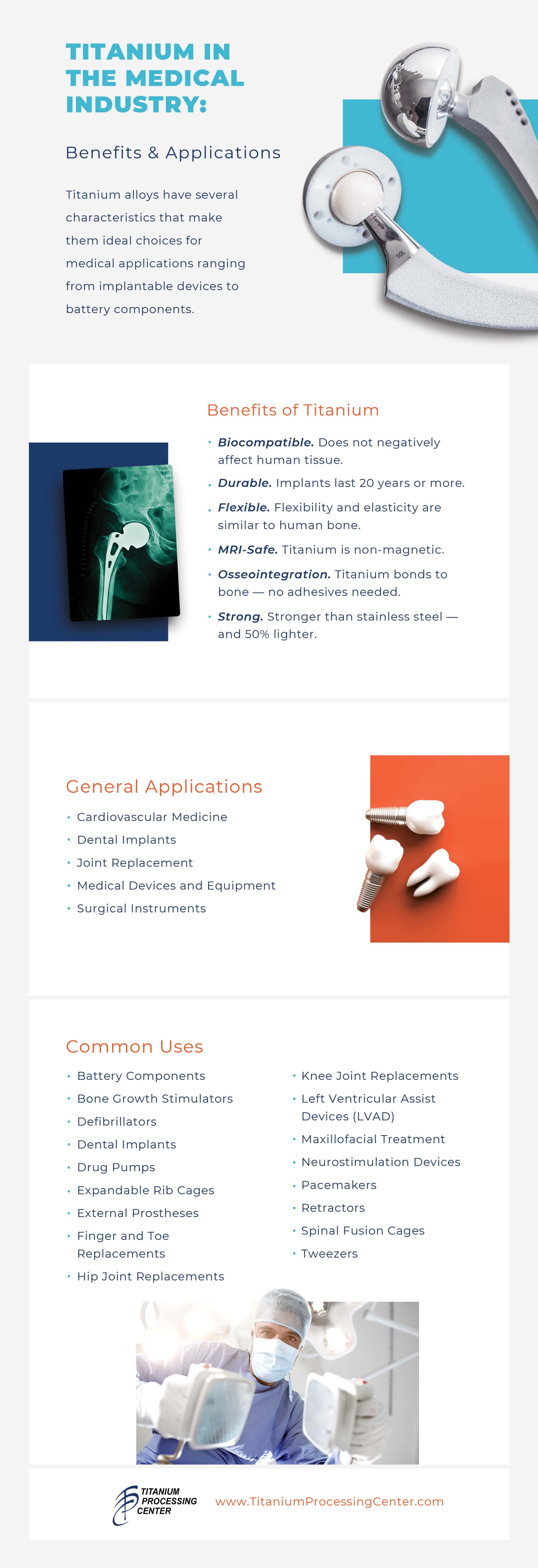
Provided by Titanium Processing Center – a titanium company
 Maintaining health