
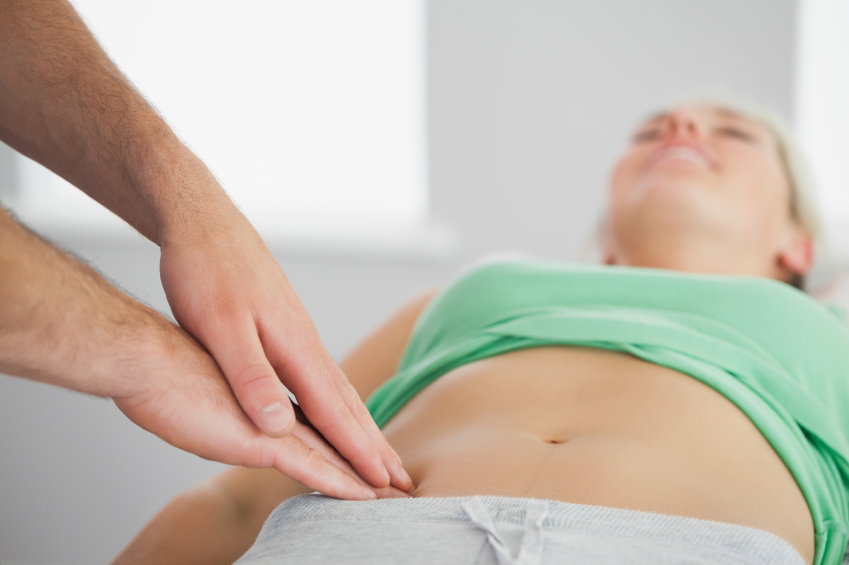
Pelvic pain occurs in the lowest part of your abdomen between your belly button and groin. It can result from the reproductive system or gastrointestinal issues. Pelvic pain can be intermittent, severe, dull, or pressure deep within your pelvis. You may feel pelvic pain during intercourse, while having a bowel movement or when you sit for a prolonged period. Consult your specialist, Dr. John Gomes Garden City, if your pelvic pain alters your daily life, persists, or becomes severe. There are many causes of pelvic pain in women, but the common ones include:
Menstrual pain and cramps
Menstrual pain and cramps are among the common cause of pelvic pain in many women. Over half of women who menstruate experience pain for at least one or two days in each cycle. Menstrual cramping usually happens before you start your period as your uterus contracts and sheds its lining. Using warm compressors or over-the-counter painkillers can help relieve the discomfort.
Ovulation
It might be painful ovulation if you experience an aching sensation on one side of your pelvis in the middle of your menstrual cycle. During ovulation, your ovaries release an egg and some other fluid. The egg travels to the fallopian tube and then to the uterus, and the fluid can enter the abdominal cavity and pelvis, causing irritation. The pain can last minutes or hours but is temporary and requires no specific treatment.
Cystitis and urinary tract infections
Cystitis is the inflammation of your bladder due to bacterial infections. This condition occurs when vaginal, rectal, or skin bacteria enter the urethra, traveling to your bladder. A urinary tract infection can develop in any part of your urinary system, but cystitis occurs only in your bladder. Both issues can lead to pelvic pain. They sometimes clear without treatment, but antibiotics can also help.
Pelvic inflammatory disease (PID)
Pelvic inflammatory disease is a uterine infection that can damage the surrounding tissue. It affects about two point five million American women. PID can develop when your vagina or cervix bacteria enter your uterus and take hold. It can cause pelvic pain, abnormal vaginal discharge, and bleeding. Antibiotics can help treat bacterial infections. PID increases your risk of becoming infertile.
Endometriosis
Endometriosis happens when the endometrial tissue grows outside of your uterus. It can cause mild, moderate, severe, or chronic pelvic pain in some women. If you have endometriosis, when your period begins, the tissue outside your uterus can respond to hormonal changes, causing bleeding and inflammation of your pelvis. Endometriosis leads to infertility in some women. Depending on the severity of your condition, your doctor can use surgical or non-surgical procedures for treatment.
Sexually transmitted infections
Some sexually transmitted infections like gonorrhea and chlamydia can lead to pelvic pain. Around four million people get chlamydia each year. Pelvic pain can accompany other symptoms like painful urination, bleeding between periods, and abnormal vaginal discharge. If you experience these symptoms, seek medical care for diagnosis and treatment.
Pelvic pain occurs in the lowest part of your abdomen between your belly button and groin. Menstrual cramps, ovulation, endometriosis, PID, and sexually transmitted infections are common causes of pelvic pain in women. Schedule an appointment at Women’s Healthcare of Garden City for pelvic pain treatment to relieve your discomfort.
 Maintaining health