
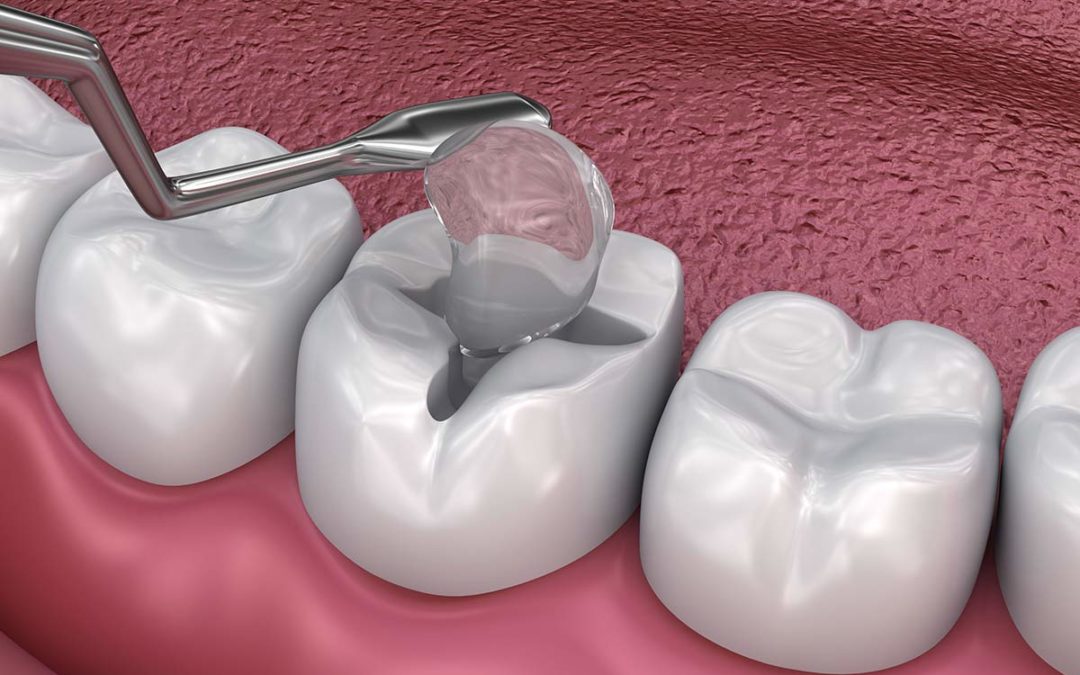
A filling is a dental procedure that repairs decayed or damaged teeth. Dentists use it when you have minor cavities and tooth chipping or cracking. Dental fillings are made of various materials, including porcelain, gold, composite resin, or silver amalgam. The filling your dentist uses depends on your preference, the location of your cavity, and your medical history. The filling procedure is painless and takes about one hour. Fillings Pearland helps restore your tooth structure, improving its functions like normal chewing and biting. If you take care of your fillings, they can last up to ten years or more.
What happens before the dental filling procedure?
Before the filling dental procedure, your dentist evaluates your damaged teeth. The dentist may use a dental probe and a detecting liquid to investigate your dental issue. An X-ray can help determine your tooth decay’s precise location and severity. Depending on your medical history, your cavity’s location, and your preference, your dentist will help you choose the best type of filling for your teeth.
What happens during the dental filling procedure?
You can have dental filling treatment in your dentist’s office. Your provider will administer local anesthesia around the damaged tooth to prevent discomfort during your treatment. Using a dental handpiece or laser, your dentist will remove the damaged parts of your tooth. The dentist will then clean any remaining debris or bacteria with an acid gel. If your decay is near a tooth root, your provider may put a liner-made glass ionomer or composite resin to protect the nerve. The dentist will then seal the space with the dental filling and polish it to resemble the surrounding teeth.
If you want tooth-colored fillings, your dentist will apply them in layers. Using a special light, the provider will harden each layer. The dentist will then shape the composite material to achieve the desired result, trim off any excess material and finally polish the filling.
What happens after the dental filling process?
After the dental filling process, your dentist may recommend you avoid eating or drinking anything until the anesthesia wears off. Avoiding eating prevents you from accidentally biting your cheek or tongue. Your dentist will also give instructions on how to take care of your fillings to prevent damage. After the process, you may experience mild soreness or discomfort in and around the treated tooth. Your dentist may recommend over-the-counter medications like ibuprofen to ease the effects.
You can also experience sensitivity due to minor nerve irritation, inflammation resulting from drilling, or gum irritation. Sensitivity mostly happens when you take cold or hot meals, but the effect fades within a few days. Sometimes sensitivity can result from the shrinking of a composite filling. If your sensitivity does not get better with time, consult your dentist. Also, seek medical attention if you have severe pain, a fever, severe tooth sensitivity, swelling, and gum redness or warmth.
A filling is a dental procedure that repairs decayed or damaged teeth. It treats minor cavities and tooth chipping and cracking. During the filling process, your dentist removes the damaged part of your tooth, cleans it, and seals it with a suitable dental filling. Schedule an appointment at TLN Family Dental for a dental filling procedure to treat your decayed tooth.
 Maintaining health