
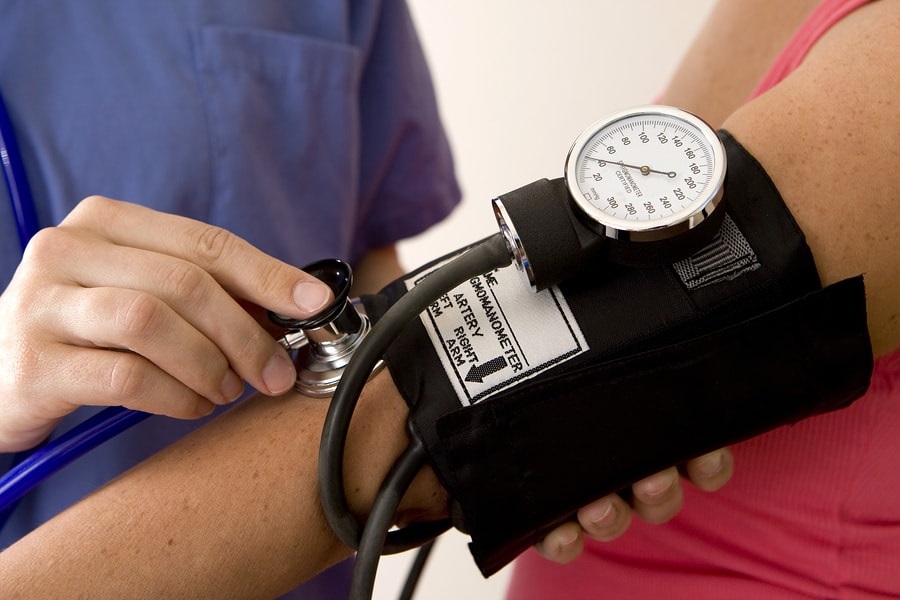
Human body is made up of numerous systems that help a human to live well and be able to survive. These systems are certainly remarkable as they work in sync and are able to adapt with various environments. During a health screening, a person may be diagnosed with a high blood pressure. Having a high blood pressure may seem a harmless condition but definitely could lead to serious diseases and complications such as heart attack, stroke and kidney disease. Thus, a high blood pressure is a silent killer. If you stumble upon a word of ‘renin’, you might be wondering what it has to do with high blood pressure or hypertension when it is released.
Firstly, you may want to understand how blood pressure occurs. A blood pressure is a result of a pressure from a force as the heart pumps blood into the arteries (systolic pressure) and pressure created as the heart rests between heart beats (diastolic pressure). Simply said, a blood pressure is the measurement of pressure or force generated by the heart to pump blood around the body.
In hypertension, the smaller arteries called arterioles are tightened. When these arterioles are tightened or constricted, the heart will have to work harder to pump blood through the narrow space and pressure inside the blood vessels become greater. In the long run, the high force from the blood pressure damages the wall inside of the arteries. Eventually, bad cholesterol such as LDL forms plaque on the damaged wall and causes higher blood pressure as the inside of the arteries is narrower.
Therefore, you must have been wondering where does the renin function on? Renin is an enzyme responsible for maintaining blood pressure and level of sodium and potassium in the body. It is produced in the kidney and released to the bloodstream especially when the blood pressure is too low or depletion of sodium in the body. This is due to receptors sensitive to pressure called baroreceptors in the artery detecting severe fall of the blood pressure. Renin is also released due to the low sodium level detected by kidneys and activity in the sympathetic nervous system detected by receptors called beta 2 adrenergic receptors.
When renin is released, it stimulates formation of angiotensin in blood and tissues which ultimately lead to release of aldosterone from the adrenal cortex of the kidney. Angiotensin causes narrowing of the blood vessels while aldosterone causes the kidney to retain water and salt. This chain of mechanisms called a ‘renin-angiotensin-aldosterone pathway’ helps to increase the amount of fluid in the body which subsequently causes high blood pressure to increase. It can be concluded that when renin is released, it is impossible for the hormone alone to affect blood pressure unless it is accompanied with angiotensin and aldosterone.
So, what does a renin actually have to do with a high blood pressure? The importance of the renin-angiotensin-aldosterone pathway is shown by the drugs developed to treat hypertension itself. By manipulating the pathway, researchers are able to create medicine which can cater for medical conditions associated with blood pressure. For example, a RAS (renin-angiotensin system)-acting agent such as ARBs, ACE inhibitor and direct renin inhibitor helps with high blood pressure by allowing the blood vessels to relax and loosen. This helps to lower the blood pressure.
Understanding how renin works and the information on how significant it can be in medicine helps to treat people with blood pressure problems. Managing blood pressure can be different to one person and another. Consult your healthcare providers on further information regarding this article or when you are worried about your blood pressure condition.
 Maintaining health