
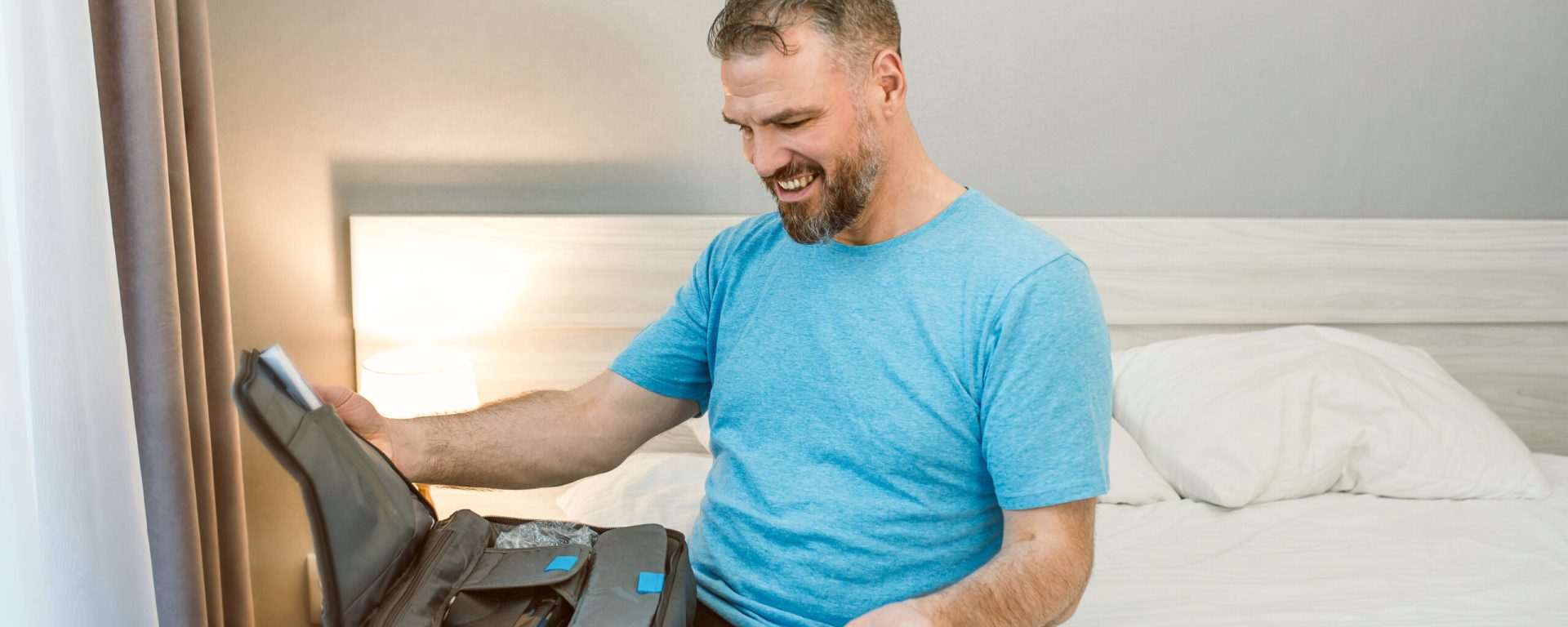
Travelling with a CPAP requires additional planning, whether hiking, driving, or flying. You could even be tempted to forgo the CPAP treatment while travelling. However, even one night without a travel CPAP machine may trigger gruelling sleep apnea symptoms, including daily exhaustion, irritability, and headaches.
Fortunately, we’ve compiled answers to some of the most frequently asked questions and helpful tips to make travelling with a travel CPAP machine a breeze.
Tips For Travelling With A Travel CPAP Machine
Whether you’re using a portable or a regular CPAP machine, here are a few things to keep in mind before you go:
- Make Sure The Travel CPAP Is Dry Before Packing
To avoid mildew and mould, clean the humidifier’s water chamber and ensure the travel CPAP equipment and supplies are fully dry before storing them.
- Pack Additional CPAP Supplies
Even if your vacation is short, bring additional supplies, including mask cushions, filters, and headgear. These supplies tend to fail precisely when you require them the most.
- Bring A Copy Of Your Prescription With You
You’re unlikely to need it, but if you need to change the CPAP machine or mask while on vacation, you’d be grateful!
- Bring Bottled Water
Even if you’re staying at a five-star hotel, carry some bottled water with you since you never know where or when you’ll get distilled water. Because tap water includes minerals that may build up in the machine and cause it to break down over time, you must only use distilled water in a CPAP.
This is particularly vital if you’re visiting a place where it’s recommended not to drink the local water. If tap water is unsafe to drink, you must also avoid inhaling it.
- Get CPAP Wipes
You don’t want to use bottled water to clean the CPAP equipment. CPAP wipes are a quick and simple solution to keep the mask and device clean. Furthermore, the alcohol-free composition is suitable for more than simply a CPAP machine!
- Check That You Have The Proper Power Supply
If you’re travelling abroad, the power cable may not be compatible with the local power outlets. Most current CPAPs will automatically compensate for voltage differences, but you’ll almost certainly require an adaptor to match the outlet.
- Have An Extra Battery Pack
Even if you’re going somewhere with plenty of electricity, you never know what could happen along the route. Perhaps your flight will be delayed. Maybe your hotel is experiencing a power outage. Keeping a backup battery on hand might help safeguard sleep health from unanticipated difficulties.
Travel Guide For CPAP Users
Just because you’re about to board an airline doesn’t mean you should skip sleep apnea treatment. Here is some additional advice for CPAP users relating to plane travel:
Do Not Check The Device
It’s uncommon that the baggage will be damaged, stolen, or lost, but it can happen—and the danger to one’s health isn’t worth it. Keep the CPAP in its carrying bag with you on the aeroplane.
Do Not Pack The Machine In The Carry-On Bag
Because a CPAP machine is classed as medical equipment, aeroplanes cannot legally treat it as carry-on baggage. Pack the CPAP in its travel bag, leaving room in the carry-on for any personal things and maybe a snack or two.
Keep The CPAP Documentation With You At All Times
Take a printout of the manufacturer’s FAA compliance notice along with a copy of the prescription. The flight crew will most likely be acquainted with CPAP machines, so that you won’t need this paperwork. But if a question occurs, this documentation will save you trouble and time.
Contact The Travel Company At Least 48 Hours In Advance
While planes should allow you to bring your CPAP on board, they have the last word on in-flight usage, so call them in advance to verify their policies. While speaking with them, inquire if you may request a seat near a power outlet.
If an outlet-equipped seat is not available, carry an FAA-approved CPAP battery.
You May Bring Up To 3.4 Oz Of Distilled Water
Keeping a little supply of distilled water in the carry-on luggage will be very beneficial when you need to use the travel CPAP machine during the trip or shortly after arrival. You may also bring more than that in your checked baggage. As previously stated, always use distilled water, as tap water may cause mineral buildup, which can harm your CPAP apparatus.
Purchase A Waterless Humidification Portable CPAP
If you often travel, having a portable CPAP might be beneficial. Look for a model with waterless humidification, such as the ResMed AirMini. The AirMini’s HumidX mechanism humidifies the airflow using moisture from its breath, saving you the trouble of carrying additional water.
Conclusion
Don’t feel stuck during travel season! You are not limited to home therapy as a CPAP user. Remember that the travel CPAP machine is sleep medication, and sleeping without it is dangerous if you have OSA. Take it with you everywhere you go, so you can sleep comfortably!
 Maintaining health