
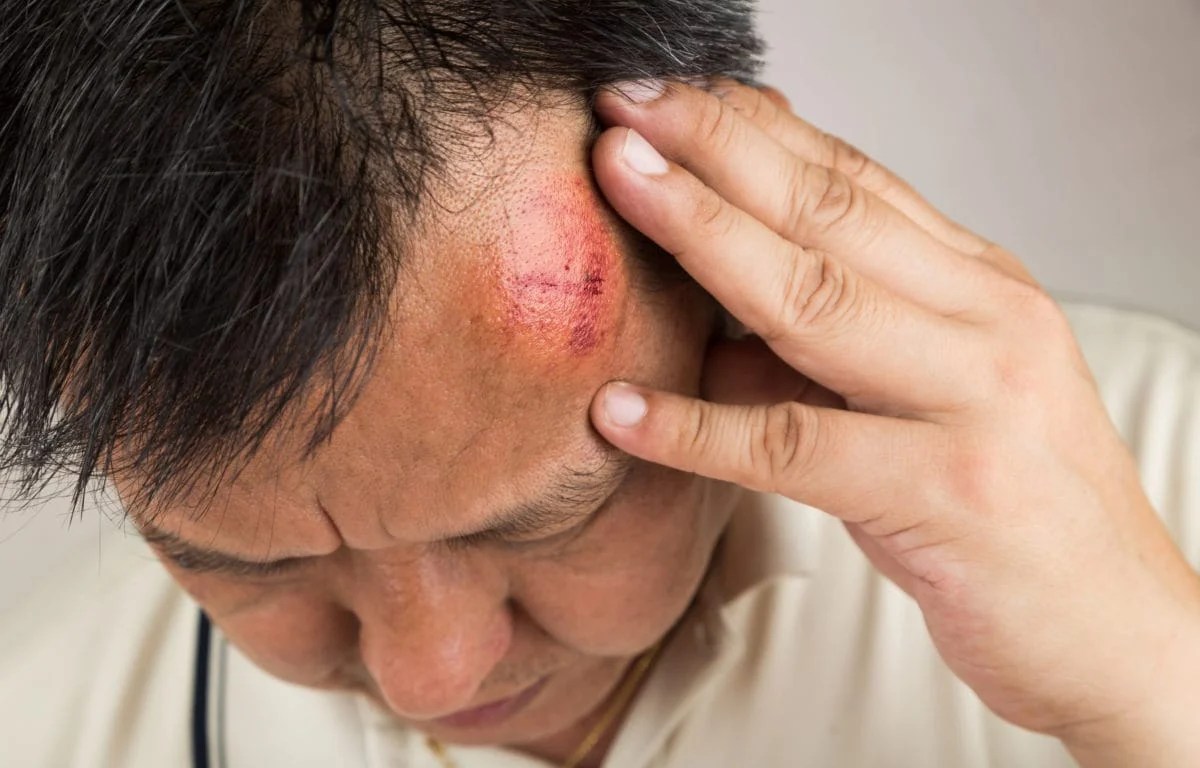
A concussion is a mild traumatic brain injury that can range from mild to severe and may include symptoms such as memory loss, headache, dizziness, balance problems, nausea, and sensitivity to light and sound. The injury is due to a sudden, violent shaking of the head, neck, or body that causes the brain to hit the skull. San Diego concussion treatment is necessary for every patient with these symptoms. If you have experienced a concussion, it is essential to follow your doctor’s advice about when you should return to work after your recovery. Although everyone is at risk for a concussion, certain people are more at risk than others. The most common culprits for concussions include:
Athletes
Athletes include professional and amateur athletes participating in sports such as gymnastics, football, hockey, basketball, and baseball.
The number of concussions can be high amongst athletes due to the nature of their sport. Different types of impacts can lead to a concussion in an athlete. For example, contact between two players during a game can cause trauma if it is forceful enough. Some other examples include:
- Diving into the boards
- Running into another player’s knee or shin
- Hitting another player with a hockey stick or puck
- Falling hard on the ground
Military personnel
Military personnel are at the highest risk of developing a concussion because they train in high-impact workouts that cause their heads to slam into the ground or other hard surfaces. They may also be involved in combat situations where they are shot at or experience explosions while doing their jobs.
Children
Children are also susceptible to concussions because their skulls are thinner than adults, and they have smaller heads that may not be able to withstand the impact of an injury as effectively as an adult’s skull would. Children are more likely than adults to sustain multiple injuries during play without realizing it.
Elderly
Elderly populations tend to have compromised neck strength and balance due to changes in their bodies caused by aging or illness. For this reason, elderly individuals may be less able to withstand impacts when playing sports or other physical activities, such as golfing.
People who have a history of brain injury
People who have experienced a previous mild traumatic brain injury are also at higher risk of experiencing another concussion if they encounter another head injury similar to that first injury. People with an earlier mild traumatic brain injury may also be more likely to experience an increase in symptoms when they suffer from a second head injury than someone without this history would be.
Anyone involved in a car accident
A person involved in a car accident is more likely to suffer from a concussion than someone who is not. The impact can cause the brain to slam inside the skull. That can cause damage and possibly lead to bleeding in the brain tissue. The injury may also lead to other broken ribs or internal bleeding.
Concussion symptoms can be mild or severe. Mild concussion symptoms include headache, confusion, and dizziness. Severe concussion symptoms include amnesia, loss of consciousness, and difficulty concentrating or focusing. If you experience any of these symptoms after your head is hit hard, getting treatment for your concussion right away is vital to avoid further damage to your brain. Contact MindSet to talk to a transcranial magnetic stimulation (PrTMS®) specialist about consciousness.
 Maintaining health