
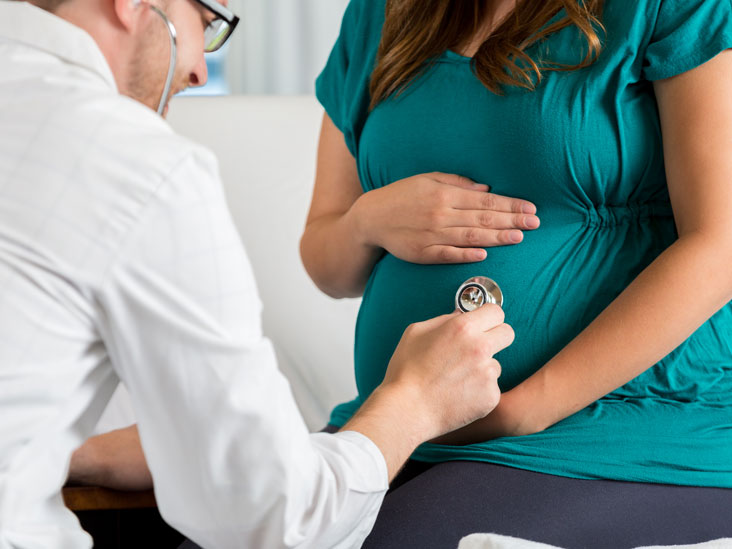
Having a baby on the way is an exciting time but it is also stressful adding the possibility of complications. The anxiety arising from such complications can overshadow the joy of pregnancy. Pregnancy complications can arise in any trimester. Each trimester often has its complications. These complications can cause harm to both mother and the baby. Even an absolutely healthy woman pre-pregnancy might have complications during pregnancy.
List of complications:
- High Blood Pressure– This is a condition in which the arteries transporting blood from the heart to the rest of the body are narrowed therefore increasing the pressure in the arteries. In pregnant ladies, high blood pressure which is also known as hypertension can cause a depletion in the blood supply to the placenta. This results in stunted growth of the fetus due to decreased supply of nutrients and oxygen. Shortage of blood supply to the placenta may increase the chances of preterm labor and preeclampsia.
Women with high blood pressure before pregnancy need to be monitored and pressure should be under control with medication if need be. Apart from this high blood pressure can also develop during pregnancy. This is known as gestational hypertension, usually, this occurs in the second trimester or third trimester. Gestational hypertension gets cured post-pregnancy in the majority of cases and no more medication or treatment is required for the same.
- Gestational Diabetes– Another complication during pregnancy is gestational diabetes. Gestational diabetes is nothing but diabetes that is developed during pregnancy. Part of the food so consumed by humans is broken down and converted to glucose which is the main source of energy. Now, this glucose should be transferred to the cells from the blood. Insulin hormone assists the process. Due to hormonal changes in the body during pregnancy either enough insulin is not produced or the insulin so produced by the pancreas is not used normally. This results in the building up of glucose levels in the blood leading to high blood sugar.
Gestational diabetes can be managed by following routine treatment as prescribed by the doctor. Along with medications lifestyle changes are also prescribed. So that the sugar levels in the blood are maintained. Gestational diabetes if neglected can result in preeclampsia.
- Infections– There are different kinds of infections that can lead to complications during pregnancy or even during childbirth. Some of the infections can lead to serious consequences for both mother and fetus. Infections like STI (sexually transmitted infections) can result in miscarriage, preterm labor, etc if left untreated. Infections like chicken pox, and measles can also harm the fetus. Any of these infections if not treated can result in low birth weight, stillbirth, and miscarriage. Birth defects like bone deformities, blindness, deafness, and intellectual disability are also some of the harmful effects of infection during pregnancy.
Infections can be treated if detected early. Consult your doctor before conceiving. You may get yourself booster vaccine shots for chicken pox and measles. Get yourself tested for STI and Urinary Tract Infections after conceiving or even before conceiving. Early detection and treatment can reduce the risk for both mother and child in the womb.
- Preeclampsia– Preeclampsia is a pregnancy disorder that usually onsets after 20 weeks. A rise in blood pressure accompanied by protein traces in urine is observed in this condition. Pregnant women with this condition may have symptoms like edema, epigastric pains, and shortness of breath. The reasons that put a woman at a greater risk of having preeclampsia are obesity, high blood pressure, older age pregnancy, and diabetes mellitus.
This can be treated either by medication or by delivering the child.
- Preterm Labour- As the name suggests preterm means before time, any labor starting before 37 weeks of pregnancy is termed preterm pregnancy. Infants born preterm have different complications due to under-formed vital organs. Lungs and brain completely develop completely in the last week of full-term pregnancy. Reasons like shortened cervix, previous preterm births, and infections end in preterm labor.
Preterm labor can be prevented to a certain extent by hormonal infections, low body activity, and maintaining bed rest for the rest of the pregnancy.
- Depression and Anxiety- Mental health can take a real toll on the pregnancy. Depression and anxiety can lead to rising blood pressure, and loss of appetite. That can further lead to underdeveloped fetuses or preterm delivery. Mental stress relating to delivery should be managed and anxiety should be kept off the shore.
It is important to consult a good gynaecologist. In India, some of the best gynaecologists are practicing in Bangalore, Karnataka. The gynaecologists at the best maternity hospital in Bangalore help you to plan your pregnancy beforehand.
It is always suggested to be in a good mental state during pregnancy. Eat clean and think positive during pregnancy.
- Pregnancy loss/ Miscarriage- Any pregnancy that terminates before 20 weeks is called a miscarriage. Miscarriage happens because the fetus does not develop normally. Most miscarriages occur due to chromosomal abnormalities. Other than chromosomal problems maternal health conditions might also be responsible for miscarriage.
- Extreme, persistent nausea and vomiting- Nausea and vomiting are very common during pregnancy and especially during the first trimester. But when nausea and vomiting hit extreme levels it is called hyperemesis gravidarum. This condition results in dehydration, loss of appetite, etc.
It can be treated by injecting fluids through IVs.
- Anemia- The most common complication in pregnancy is iron deficiency. This can result in preterm labor or low birth weight.
This can be treated with supplements rich in iron.
- Stillbirth-Loss of pregnancy after the 20th week is called a stillbirth. The cause of stillbirth is majorly undetected. Some of the reasons can be maternal health issues or chromosomal abnormalities.
A healthy mother means a healthy baby. A woman should be taken good care of during pregnancy and any symptoms not usual should be immediately reported to the doctor. One should follow the instructions of their doctor and prenatal doctor appointments should not be skipped.

 Maintaining health