
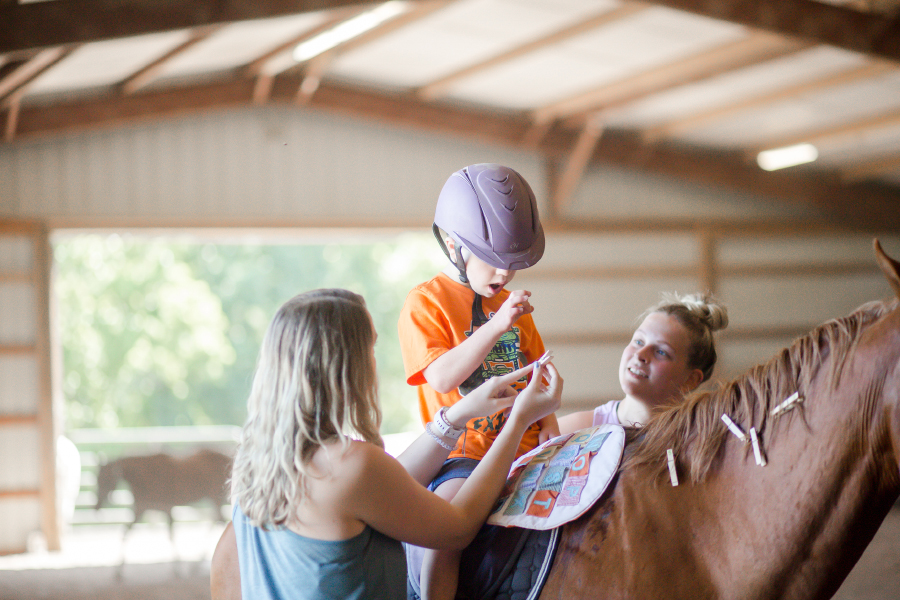
Children with Cerebral Palsy benefit immensely from a variety of conventional therapies today that are intended to improve their abilities and, consequently, their quality of life. Pediatric Physical Therapy is one treatment that is frequently used for children who have mobility and function impairments. However, some approaches such as equine treatment, also known as hippotherapy take a novel approach to improving a child’s physical prowess and cognitive ability.
Difference Between Hippotherapy And Therapeutic Riding –
Many times, hippotherapy and therapeutic riding are confused. Both use horses to effect change for the better, but their methods differ. A trained instructor in therapeutic horseback riding and volunteers manage the therapeutic riding practice. They offer accessible riding instruction for people with disabilities. Therapeutic riding has numerous advantages, from strengthened postural muscles to boosting self-esteem. However, rather than functional therapeutic objectives, the focus is largely on rein abilities and riding position.
A qualified horse handler and a licensed therapist are both required to carry out hippotherapy. In this situation, therapeutic goals are achieved by using the horse’s movement. The purpose of hippotherapy is to strengthen a person’s ability to function in daily life by enhancing their cognitive and physical abilities.
Benefits of Hippotherapy –
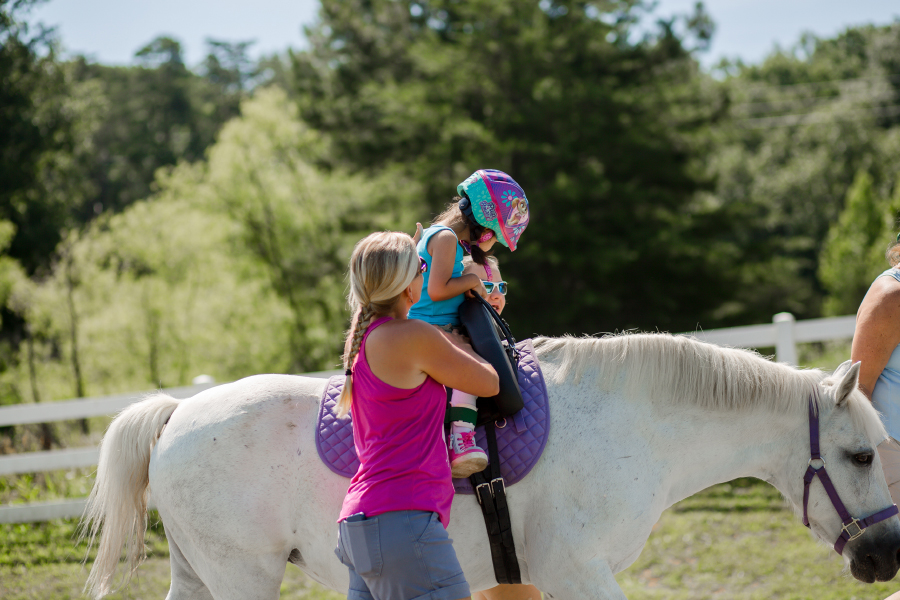
The benefits of hippotherapy in occupational therapy include better performance on daily tasks as well as improved motor control, coordination, balance, and attention. The impacts of hippotherapy on the vestibular, proprioceptive, tactile, visual, and auditory systems help to organize the sensory system as well. The addition of movement to therapy can assist children to receive more input, which in turn allows for more focus and participation in the development of their speech and language.
It’s crucial to understand that hippotherapy is NOT the same as adaptive and therapeutic equestrian riding while thinking about it. People with special needs who need the use of equipment or riding adaptations can get adaptive and therapeutic horseback riding lessons. It is used for recreational activities, and its objectives could include entertainment, education, networking, and fitness. While the major objective of hippotherapy is the functional rehabilitation or habilitation of the patient. Another important thing to keep in mind is that hippotherapy and Pediatric Occupational Therapy can only be given by a qualified healthcare professional, such as a physical therapist, occupational therapist, or speech-language pathologist.
 Maintaining health