
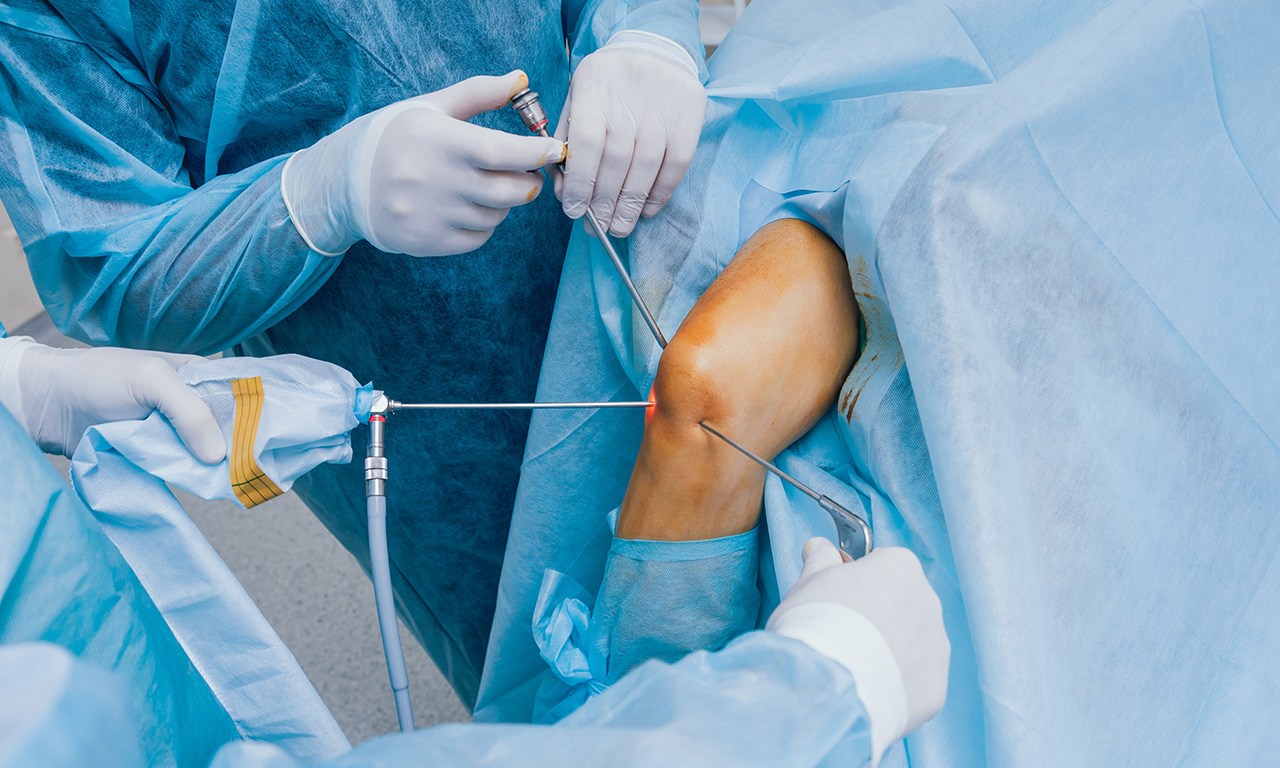
Knee arthroscopy is a less invasive surgical procedure that Dr. Ronald Hess West Chester uses to diagnose and treat various knee injuries like an ACL tear, bursitis, and torn meniscus. For this procedure, your healthcare provider makes small incisions about the size of a keyhole to insert a tiny camera and tools. The camera allows your doctor to see the inside of your knee while the tools help repair or remove damaged tissue. Because the incisions required for knee arthroscopy are smaller than those of traditional surgery, patients need less time to recover.
Why would I need a knee arthroscopy?
You may discuss knee arthroscopy with your healthcare provider if you have chronic knee pain that doesn’t improve after trying nonsurgical treatments. Nonsurgical treatments for knee pain include rest, medication, and physical therapy. However, some types of knee pain may not benefit from this procedure. For example, knee pain due to osteoarthritis may not improve with arthroscopic knee surgery. Knee arthroscopy allows your doctor to have a clear view of the bones, soft tissues, and cartilage inside your knee that may be damaged due to an injury. Knee injuries can affect anyone, but they are common among athletes and adolescents. Playing contact sports and those that involve jumping makes you vulnerable to knee injuries.
Preparing for knee arthroscopy
Before knee arthroscopy, you need to consult with your doctor so you can prepare for the procedure. During a consultation, your healthcare provider will give you pre-treatment guidelines; for example, you may need to take any blood-thinning medications.
What happens during a knee arthroscopy?
First, your healthcare provider cleans your leg and uses a device to stabilize your knee, keeping it in proper position throughout the procedure. Your doctor will then make a small incision in your knee to insert an arthroscope. The arthroscope has a camera at its tip, capturing images and displaying them on a screen in the operating room. The images allow your doctor to make the correct diagnosis and guide the procedure. If you have any damage that needs repair, your healthcare provider makes other incisions in your knee to insert small tools.
After inserting surgical tools, your provider may trim damaged cartilage or bone and repair or remove inflamed tissues. Using stitches, your doctor closes the incisions and wraps your knee with a dressing.
After knee arthroscopy
Knee arthroscopy is an outpatient procedure, so most patients go home the same day of the procedure. However, sometimes the process requires a hospital stay. After clearance from your doctor, you will need someone to drive you home because you will not be in a position to operate a vehicle. You will feel pain, so your doctor may prescribe pain medications or nonsteroidal anti-inflammatory drugs. Ensure you follow your provider’s instructions when taking medications, whether prescribed or not. The following are some guidelines your doctor will require you to follow as you recover.
- Use crutches or a walker to avoid putting weight on your knee
- Keep your leg elevated to bring down swelling and reduce pain
- Keep your incision area clean and covered using a bandage. Your healthcare provider will let you know when you can remove the dressing.
If you have chronic knee pain, consult your Beacon Orthopedics & Sports Medicine doctor to establish if you can benefit from knee arthroscopy.
 Maintaining health