
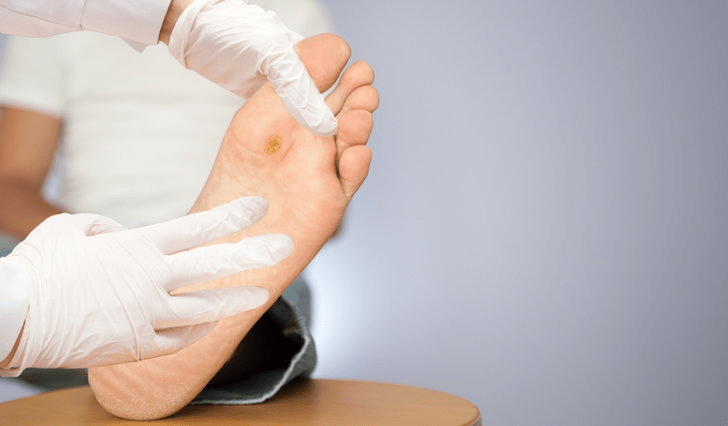
Diabetes is a disease that affects how your body uses glucose or blood sugar. Glucose is vital for energy and plays a crucial role in wound healing. When you have diabetes, your body either does not make enough insulin (a hormone that helps control blood sugar) or cannot use insulin properly. As a result, too much sugar (glucose) stays in your blood. Dr. Autumn Savage Dallas will work with you to determine if your diabetes affects your wound healing and advise what to do.
If you have diabetes, you may experience slower wound healing and an increased risk of infection. Diabetes can also cause nerve damage, leading to decreased sensation in the affected area and making it more challenging to notice wounds. Poor blood circulation associated with diabetes can further delay healing.
These are the ways that diabetes impacts wound healing:
Slower wound healing
When there is slow wound healing, the wound may take weeks or even months to close. It can be a problem for people with diabetes because they are more likely to experience complications such as infection. After an infection, the wound may take even longer to heal.
Increased risk of infection
Diabetes can weaken the body’s immune system, making it harder to fight infection. People with diabetes are also more likely to have other conditions that increase their risk of infection, such as poor circulation and nerve damage.
Nerve damage
Diabetes can cause nerve damage, which is known as diabetic neuropathy. It can decrease sensation in the affected area and make it more challenging to notice wounds. In addition, nerve damage can cause problems with blood flow, which can further delay healing.
Poor blood circulation
Poor blood circulation is a common complication of diabetes. It can make it difficult for wounds to get the oxygen and nutrients they need to heal. In addition, poor circulation can cause fluids to build up in the area, leading to swelling and an increased risk of infection.
People with diabetes have significant challenges regarding wound healing. You must learn these tips on how to manage your wounds:
Keep your blood sugar under control
The first step in managing diabetes and wound healing is to keep your blood sugar under control. This can help to improve circulation and reduce the risk of infection. In addition, keeping your blood sugar levels under control can help to speed up the healing process.
Inspect your feet daily
If you have diabetes, it is vital to inspect your feet daily for cuts, scrapes, or blisters is vital. These can quickly become infected and lead to severe complications. If you notice any wounds, it is essential to contact your healthcare provider right away.
Keep your feet clean and dry
It is vital to keep your feet clean and dry to prevent infection. You should wash your feet with soap and water every day. In addition, you should dry your feet thoroughly, especially between the toes.
Protect your feet from injury
It is crucial to protect your feet from injury by wearing shoes that fit correctly. In addition, you should avoid walking barefoot, especially on hard surfaces. If you have any cuts or scrapes, it is vital to cover them with a bandage.
If you have diabetes, it is essential to monitor your wound closely and regularly seeing a healthcare provider at Wound Care & Hyperbaric Medicine Specialists is essential to ensure proper healing.
 Maintaining health