
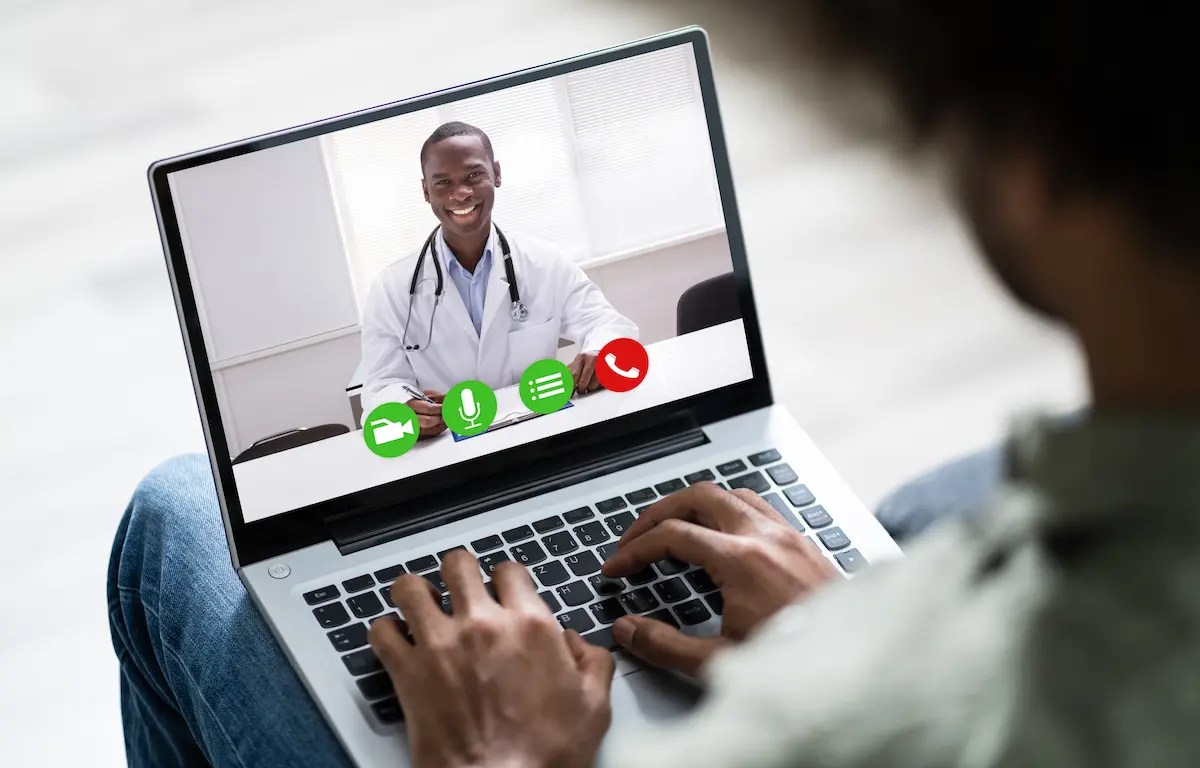
Telemedicine has been around for years; however, some patients have only started to take advantage of this care option during the COVID-19 pandemic. These days, a lot of primary care doctors and specialists use telemedicine appointments alongside conventional in-office visits to ensure the safety of their patients and staff during this time. Also, a Telemedicine Doctor can now provide more telemedicine visits with the relaxation of some restrictions.
What to Expect During a Telemedicine Consultation?
Telemedicine makes use of telecommunications technology to allow doctors and patients to communicate remotely. A patient only needs a computer, mobile phone, or tablet and an internet connection. Telehealth visits are commonly done through live video chats. A patient and their doctor see each other online. The physician may give the patient a link to a secure website, contact them through the portal, or connection with video chat applications such as Zoom or Skype. Depending on the kind of visit, a patient and a doctor can also talk over the phone or use chat messaging.
The Difference Between Telehealth and Telemedicine
Telehealth covers telemedicine. It includes virtual visits and patient monitoring. Through these options, doctors can keep track of a patient’s health conditions like diabetes or heart disease. For example, if a patient has high blood pressure, occasional pressure checks performed in-office may not be enough. Their doctor may require the use of a digital blood pressure cuff to get readings. Such readings will allow the doctor to provide feedback on their blood pressure status. By taking advantage of technology through telemedicine, ongoing health issues can be tracked and managed.
Benefits of Telemedicine Appointments
With virtual office visits, patients don’t need to visit their doctor’s office personally and be exposed to many people who may have certain health issues. Also, a sick patient can protect other people when they choose telemedicine. As a doctor evaluates a patient’s health remotely and prescribes appropriate treatment, the patient doesn’t have to take a trip to the ER. This can be beneficial to parents who have small children and those in households with members of varying ages. Telemedicine reduces exposure to viruses and eliminates the possibility of requiring temporary care. Virtual visits are suitable for general health care, nutrition counseling, medication prescription, and mental health counseling.
Patients who want to schedule a virtual doctor’s visit must ask their primary care doctor if they offer telemedicine. If not, their health insurance provider may help them find in-network physicians who offer these visits.
 Maintaining health