
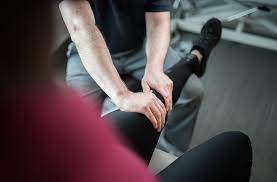
Has nagging knee pain made an unexpected appearance in your life? You have tried all the possible options such as creams, gels, heat & ice, over-the-counter medications, and the list goes on. Yet, you are not able to get rid of the persistent knee pain and you are not ready for a knee replacement?
When done at the right time and for the right reasons, knee surgery can be extremely effective. But there are several non-surgical alternatives to knee replacement in India that can effectively reduce pain and restore mobility, perhaps reducing or eliminating the need for surgery.
For many patients surgery isn’t always the best option. Many of the patients are unaware that there are non-surgical methods for treating knee pain. Here are some of the non-surgical treatment orthopedic pain that are frequently recommended.
Exercise for Joint Movement
Most people have exercise as the last option in their mind when their knees hurt or feel stiff. However, moving your knees more can help you manage knee pain in various ways, including:
- Strengthening muscles to support the knees
- Knee flexibility and stiffness can be improved
- To minimise the accumulation of fluid around the knee by stimulating the the flow of fluid
While practically any exercise will help. Yet, low-impact activities focusing on leg, hip, and core strengthening can be recommended, such as:
- Cycling
- Strengthening exercises
- Swimming
- Walking
- Yoga
For beginners, start your physical activity initially by moving or walking. You will be able to work your way up to exercising three to five times per week eventually. The goal is to establish and maintain a regular fitness regimen. Remember that just because something hurts doesn’t mean it is bad for you. It is natural to experience some soreness or pain while you get used to a new workout. If you are in a lot of pain, you should stop doing that workout. But, don’t give up. It normally takes four to six weeks to increase your fitness and strengthen your knees.
Weight Loss
Knees provide support for us to move, walk, sit or stand. They are subjected to a great deal of wear and tear during our lifetime. If you’re overweight, decreasing weight can make it easier for your knees to work. Knee discomfort might be relieved by decreasing just a few pounds that in turn reduces pressure on your knees.
Excess weight can cause inflammation all over your body, making the discomfort in your knee more worse. As a result, lowering weight may aid in the reduction of inflammation. If you have had trouble losing weight in the past, there is hope. Medical weight management and assistance can be provided by dietitians, nutritionists, and other specialised doctors to help you achieve your goals.
Physical Therapy Targeting Knee Pain
Knee pain might make it difficult to maintain strength, balance, or mobility. Physical therapy may be able to help you get back to doing something you enjoy if knee pain has prevented you from doing so.
Physical therapy, often known as rehabilitation, is a type of treatment that includes exercise, education, and hands-on care to help loosen & strengthen muscles and joints. A physical therapist will guide you through a treatment plan that is tailored to your unique needs throughout the therapy. Guided exercise a few times a week, a specific exercise plan to practise at home, and hands-on care like massage are all part of the treatment plan. A physical therapist will also educate you on the causes of your knee pain and show you how to avoid pain and further injury by doing daily tasks. These activities should be continued at home for long-term results. Physical therapy can help with long-term pain management by strengthening your knees and helping you to move.
Supplements
Some people who suffer from knee pain take some supplementary pills which are cartilage-derived compounds that help to maintain cartilage structure and prevent joint cartilage deterioration. It may take up to 6 weeks to observe a difference because they are used by your body to create cartilage.
Injections for knee pain
Another typical way for immediate relief of inflammation and knee pain is injections. There are a variety of injections available, and your doctor can help you choose the right one for you.
Steroid Injections
Corticosteroids are the most common steroid injections for knee pain. Cortisone mimics the actions of cortisol, a hormone generated naturally by the adrenal glands. Because inflamed tissue is a common cause of knee discomfort, steroids can help reduce inflammation and provide pain relief. Steroid injections normally take three to seven days to reach their full potential. However, relief might be felt within 24 hours. Steroid injections provide great pain relief, but their benefits are only temporary.
Hyaluronic acid Injections
Your body produces hyaluronic acid on its own. It’s a lubricant that protects your joints from wear and strain by lubricating them. Consider it a kind of knee shock absorber. More hyaluronic acid can be injected into your knees to assist improve your body’s natural supply. Dietary hyaluronic acid may help protect your knees and relieve pain. Though these injections can provide great pain relief, you may need other treatments over the course of a few weeks to see results.
Orthobiologics
Orthobiologics, often known as regenerative medicine, is a new discipline in which RegenOrthoSport is a pioneer. Orthobiologic treatments are the minimally invasive procedures that use tissue-derived products to help the body regain function and heal faster.
Orthobiologics are frequently used in conjunction with other treatments for knee discomfort, such as physical therapy. Your doctor can prescribe the appropriate orthobiologic method for you based on your type of discomfort, medical history, and personal preferences. These include:
- Platelet rich plasma (PRP)
- Bone marrow aspirate concentrate (BMAC)
Are any of these non-surgical knee treatment options right for you? Talk to your doctor.
In recent days non-surgical treatments are at high priority. Work with your doctor to develop a personalised treatment plan to help you manage and heal your knee pain. He will walk you through the procedure if and when the time comes to choose knee replacement surgery.
 Maintaining health